Visit our new platform The Northern Guide



Latest
15 fascinating facts about Wirral
1 month ago
Although it often seems like Wirral lives in the shadow of its more famous sibling, Liverpool, the region punches well above its weight when it comes to local history.
Here’s a light-hearted look at what the Wirral is famous for (and a few things it probably should be), celebrating the places, moments, and traits that give the borough its character.
1 – Wirral is (almost) an island
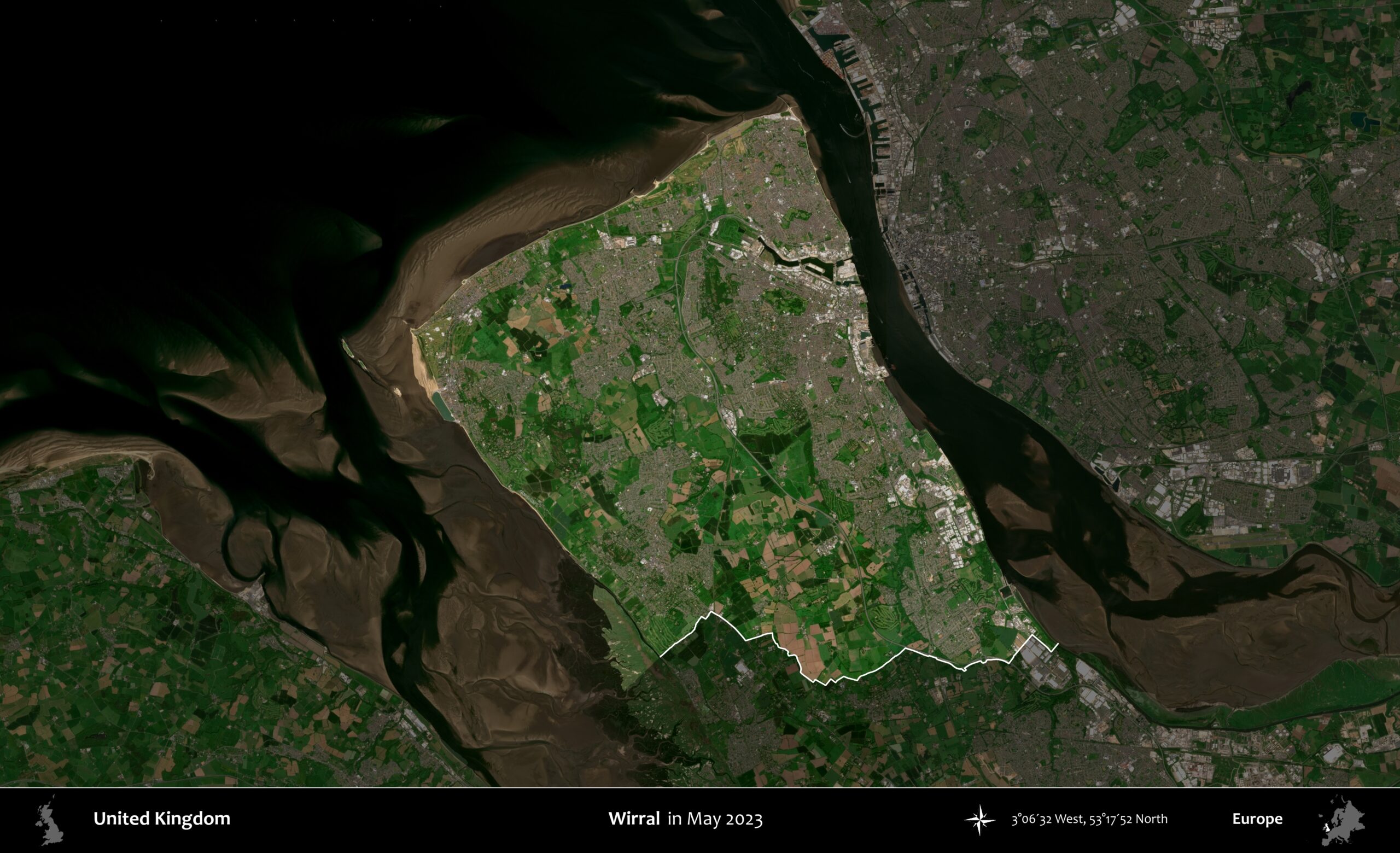
Despite covering just over 60 square miles, Wirral is one of England’s largest metropolitan boroughs.
But did you know that the peninsula is almost an island? Bordered by the River Mersey, River Dee, and the Irish Sea, its only connection to the mainland is the manmade canal at Wirral’s southern edge, near Ellesmere Port.
2 – It was home to prehistoric people and ancient Britons
Evidence uncovered in Greasby suggests that humans occupied the Wirral from around 12,000 BC. Much later, but still well before the Romans, Wirral was inhabited by the Celtic Cornovii tribe. The Cornovii’s territory stretched across modern Cheshire and Shropshire, with Roman Chester later rising within their lands.
Fast-forward a millennium or so, and you reach one of the peninsula’s oldest survivors…
3 – A Priory older than Merseyside itself
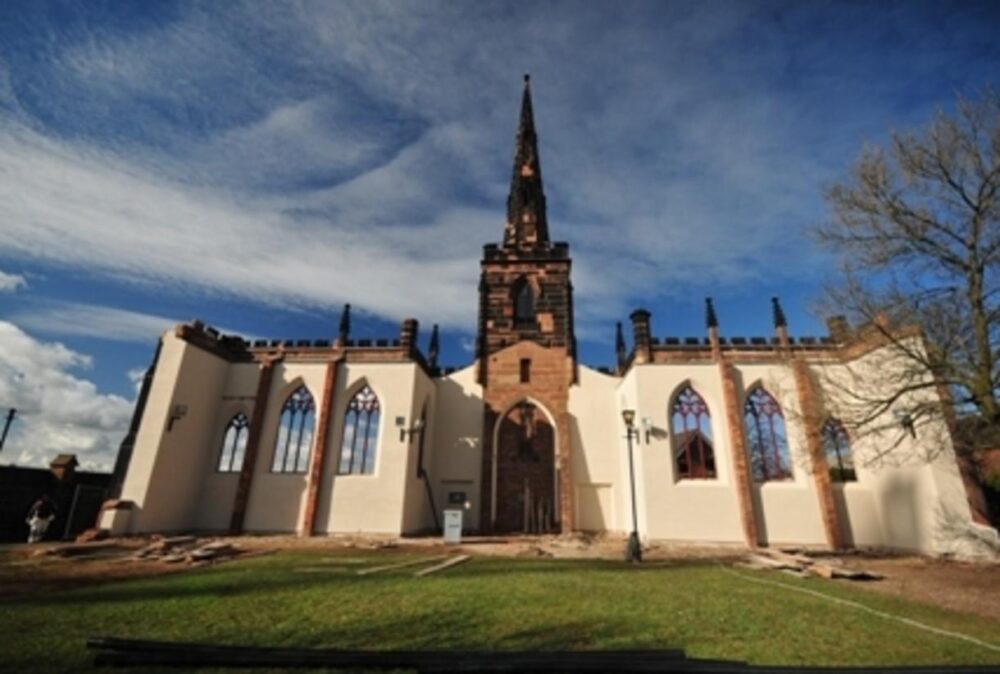
Founded around 1150, almost 60 years before neighbouring Liverpool was born in 1207, Birkenhead Priory is widely recognised as the oldest standing building on Merseyside.
Sitting on the banks of the Mersey, the Priory is a popular visitor attraction and a gateway to understanding how the Wirral grew over almost 1,000 years.
A reminder that Wirral’s story started long before the Pyramids (Shopping Centre) were built.
4 – The battle that helped define England
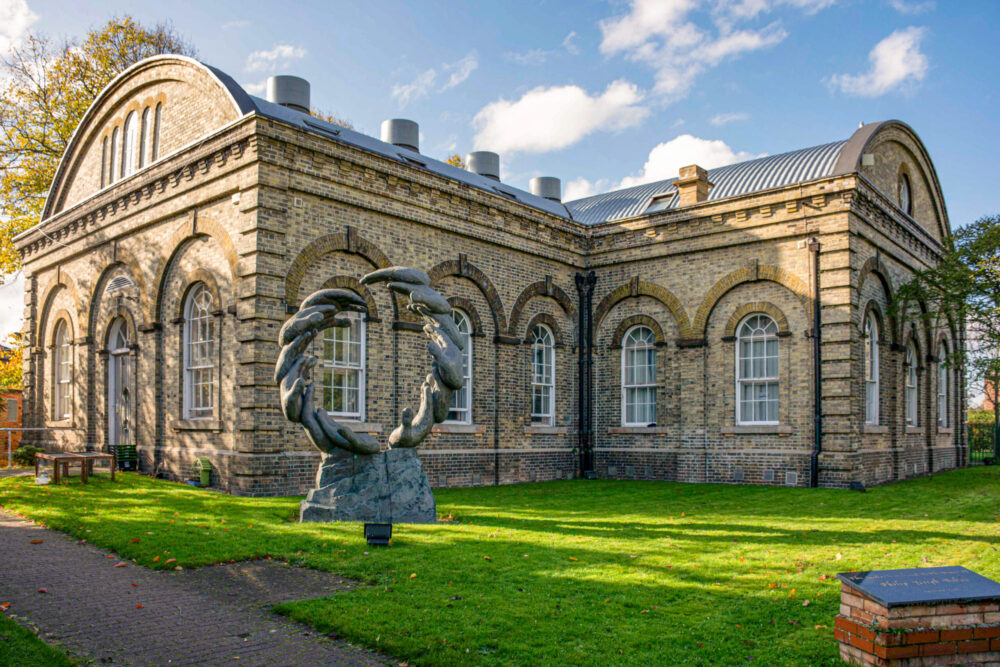
In AD 937, the Battle of Brunanburh brought together the armies of Anglo-Saxon England against invaders from Scotland and Scandinavia. Bromborough on the Wirral is one of the leading candidate locations, with many historians regarding the battle as a turning point in England’s formation as a unified nation.
Not bad for a suburban patch of Merseyside.
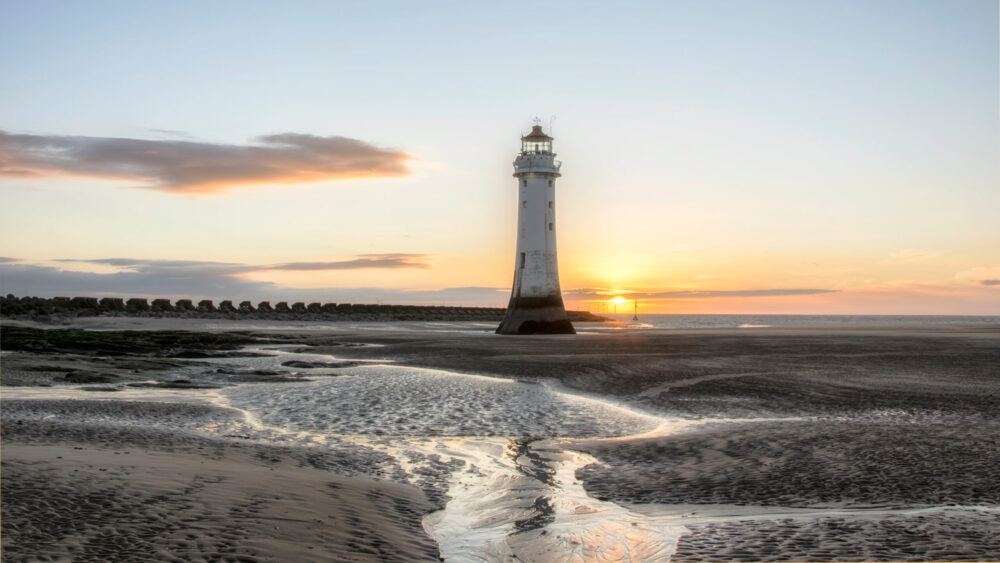
5 – Britain’s oldest surviving brick lighthouse
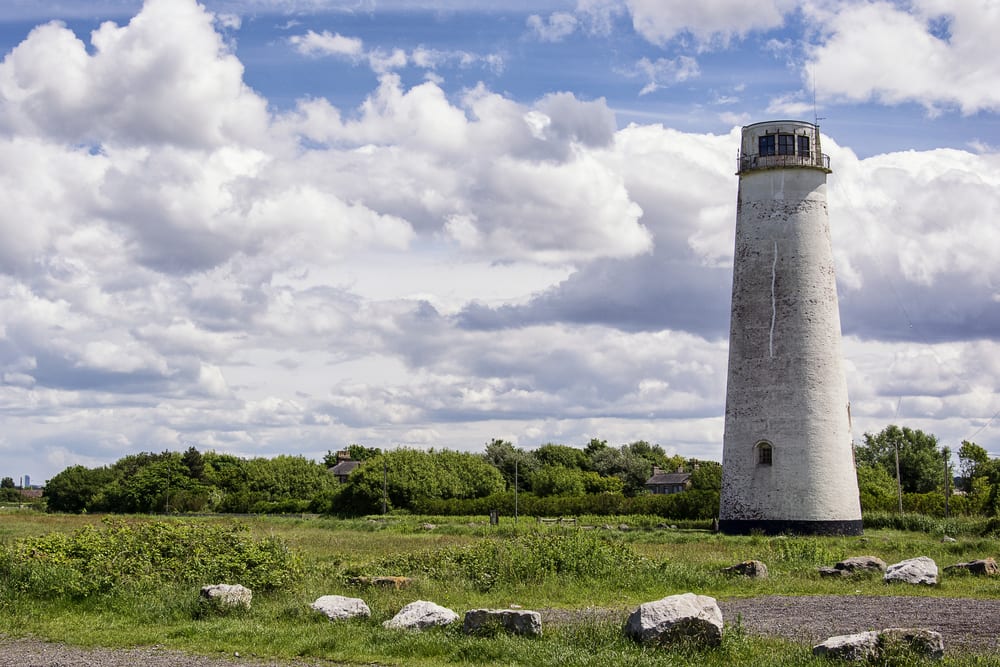
Built in 1763, Leasowe Lighthouse is widely cited as the UK’s oldest surviving brick-built lighthouse. It guided ships into the Mersey for nearly 150 years before being retired in 1908.
Leasowe Lighthouse even boasts a rare footnote in lighthouse history – one of the country’s earliest recorded female keepers, Mary Elizabeth Williams.
Merseyside women are famous for their astute observations, as we all know.
6 – Britain’s first country park
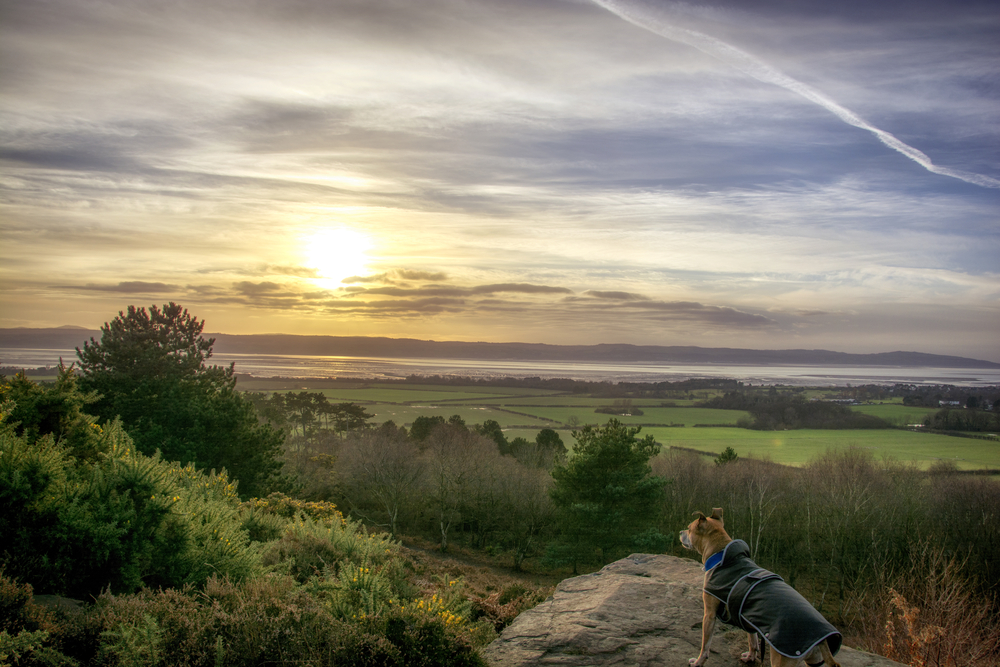
Opened on 2 October 1973, Wirral Country Park is recognised as Britain’s first designated country park. After setting the blueprint for protected green spaces across the UK, today the park is popular for its clifftop walks, woodland trails, and estuary views.
It remains one of the peninsula’s best-loved places to escape to.
7 – A pioneer of futuristic travel
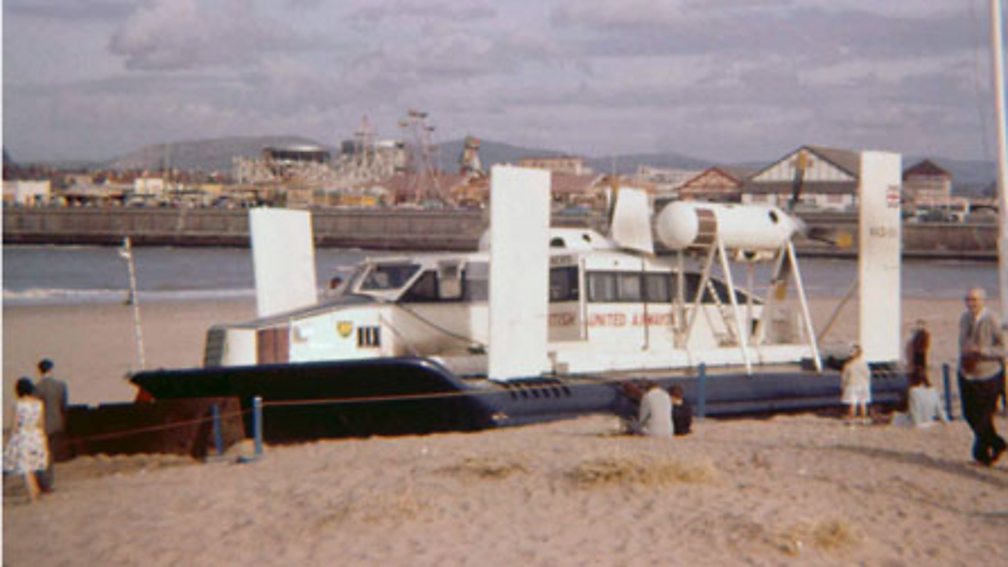
In summer 1962, passengers began to travel between Wallasey and Rhyl aboard a Vickers VA-3 hovercraft – the world’s first commercial passenger hovercraft service.
Sadly, on 14 September that year, the craft’s engines failed halfway through the journey, and rough seas forced it to crash into the town’s promenade wall. No one was hurt thanks to the efforts of the local lifeboat crew, but the VA-3 never made the crossing again.
For a brief moment, Wirral and North Wales were at the cutting edge of futuristic travel.
8 – Radar helped ferry cross the foggy Mersey
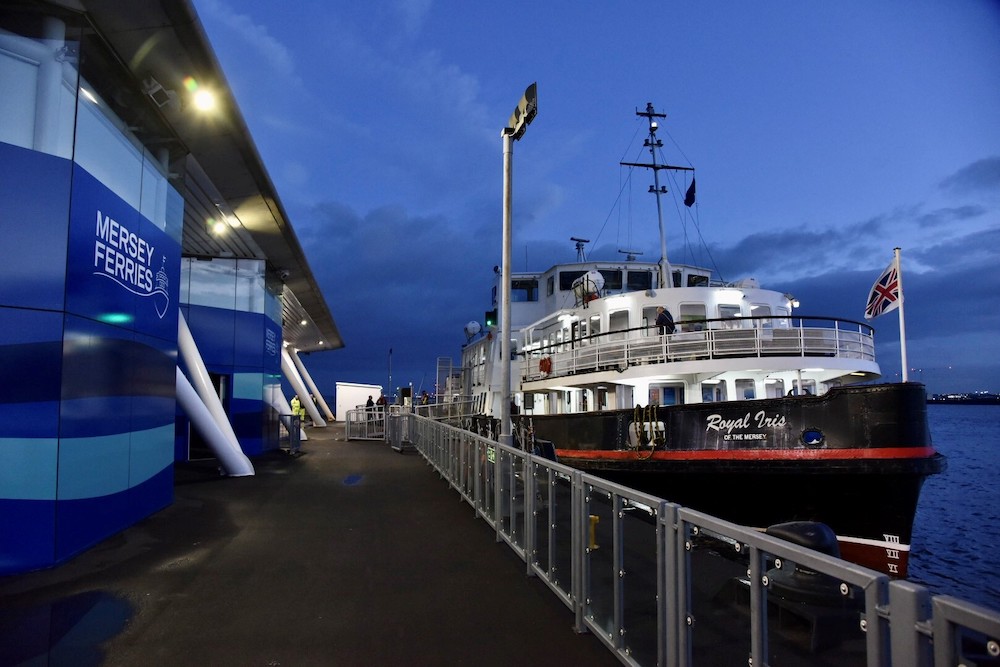
In 1947, radar was installed at Seacombe to guide ferries through the famously thick Mersey fog. A world first for ferry navigation by radar, the innovation transformed safety at one of Britain’s busiest river crossings and advanced maritime technology across the UK and beyond.
Maybe the milestone inspired a young Gerry Marsden?
9 – Hero ferries and a royal title
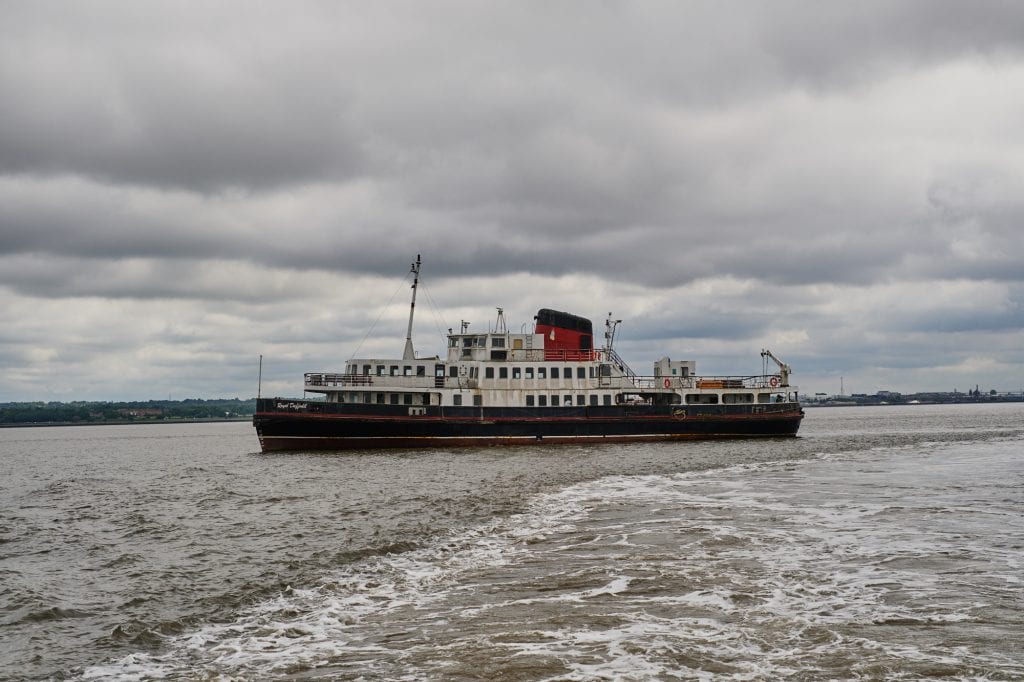
More fun ferry facts: Two Mersey Ferries vessels – Iris and Daffodil – were sent into frontline action during the Zeebrugge Raid in 1918. Despite not being designed for combat, the vessels ferried Royal Marines under heavy fire in the daring First World War operation.
Both ships were badly damaged, but their bravery earned battle honours and a royal blessing. That’s why the fleet still carries its “Royal” naming today.
10 – Wartime science in Birkenhead
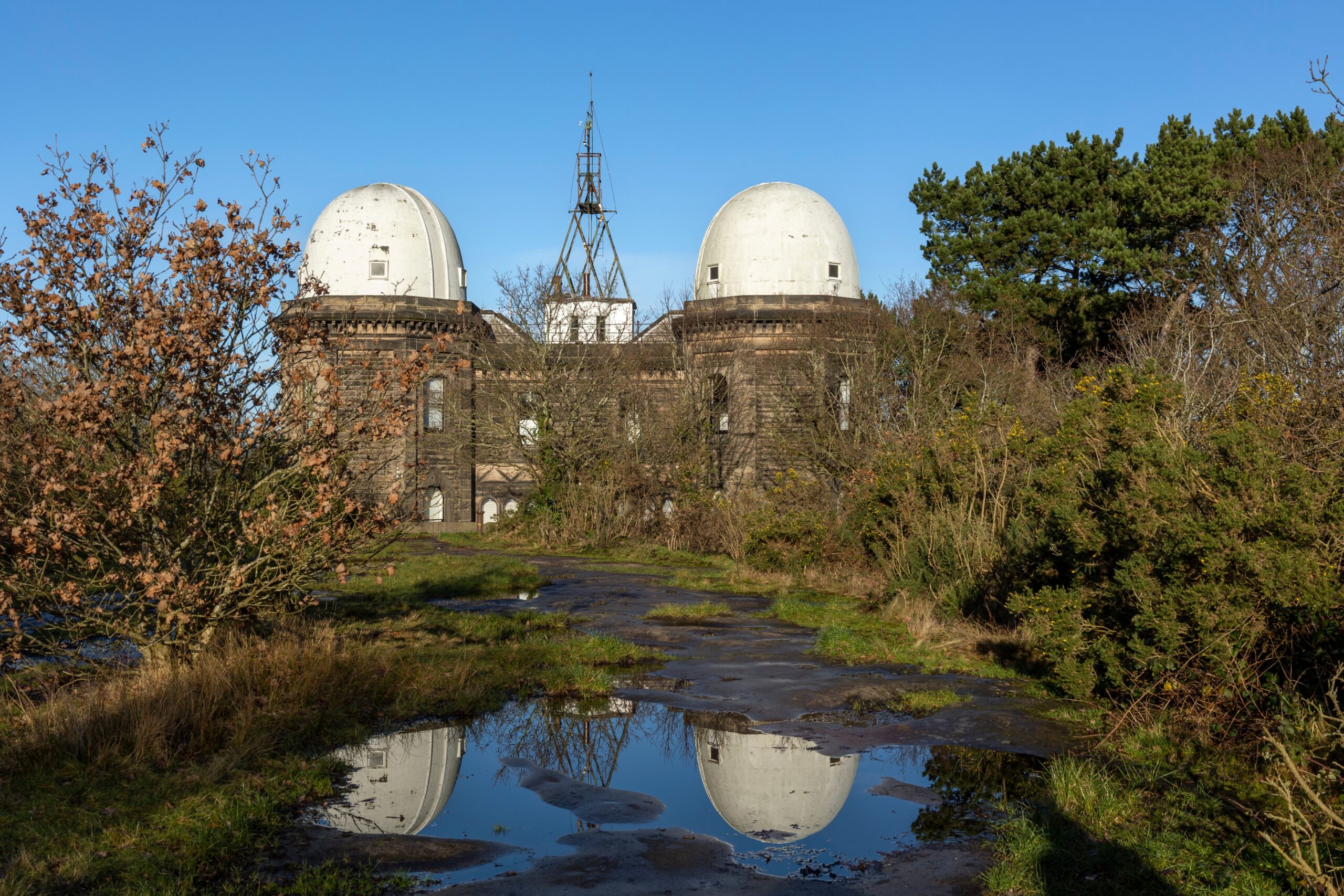
During the Second World War, tidal prediction machines at Bidston Observatory played a role in Allied forecasting and planning, including preparations for D-Day.
It’s one of those lesser-known contributions that doesn’t often make the headlines, but the Wirral quietly played a behind-the-scenes role in WWII.
11 – The combat history of Fort Perch Rock
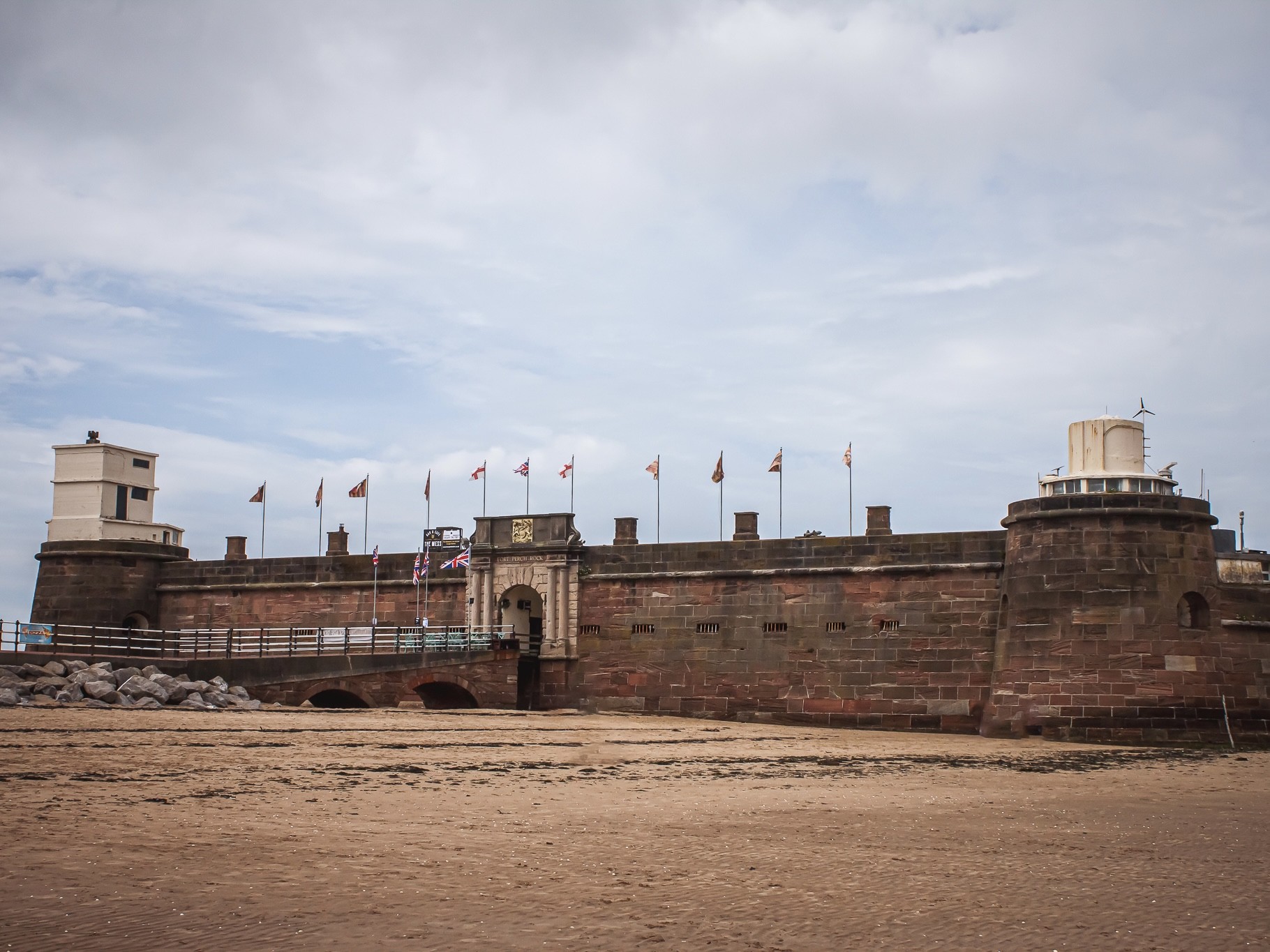
Built to defend Liverpool Bay between 1825 and 1829, Fort Perch Rock’s guns were reportedly fired in anger during the First World War when a foreign vessel entered restricted waters. It was one of the few times the coastal defence battery saw real action.
The New Brighton-based fort is now home to permanent maritime and aviation displays, guest exhibitions and cultural events.
12 – The UK’s smallest inhabited island
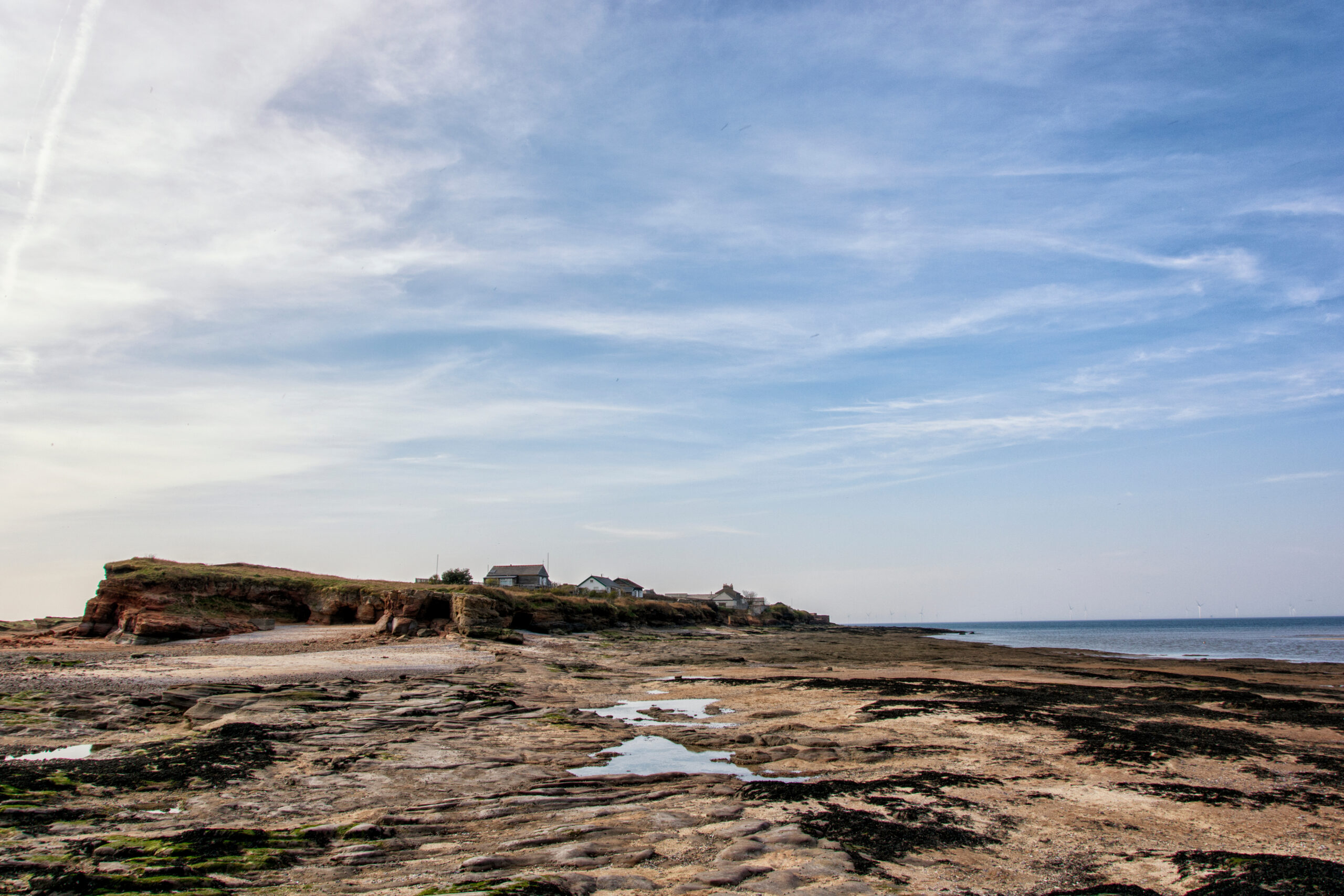
Sitting around a mile offshore from West Kirby, Hilbre Island covers just about 11.5 acres. Reachable on foot at low tide, it’s one of the Wirral’s most distinctive natural landmarks. It was also one of the smallest inhabited islands in the UK until 2012.
Today, there are no permanent residents – just windswept visitors racing the tide back to the mainland.
13 – The world’s largest aquatic stadium
When New Brighton’s open-air bathing pool opened in 1934, local accounts described it as the largest aquatic stadium in the world. Measuring roughly 330 feet long and 225 feet wide, it was a symbol of the resort’s golden age, when Wallasey rivalled Britain’s biggest seaside destinations.
How about a petition to bring it back?
14 – One of Britain’s longest promenades
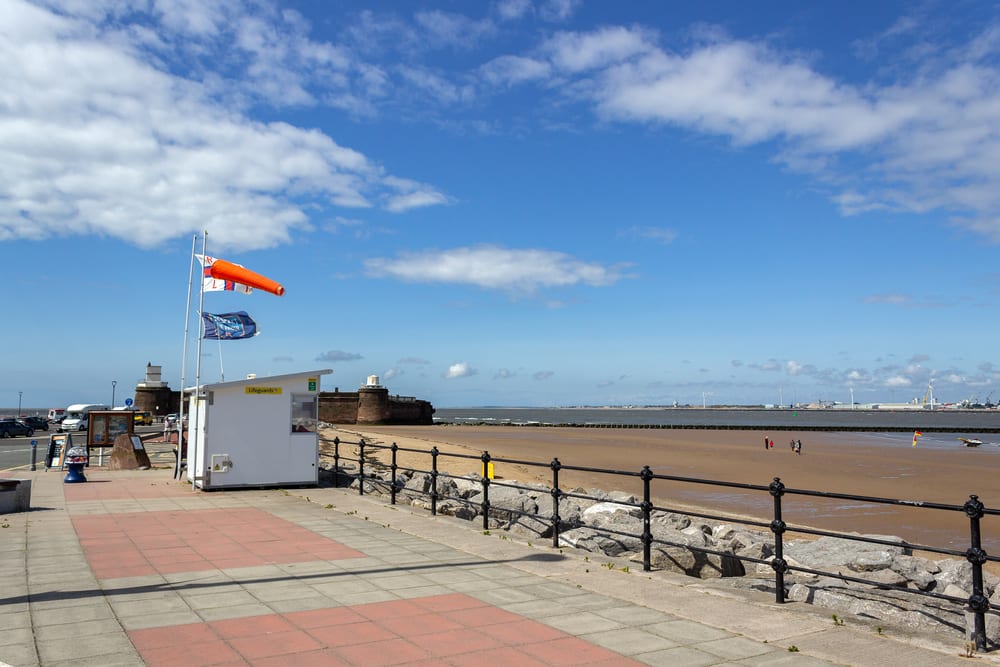
The roughy 2-mile stretch at New Brighton is one of Britain’s longest promenades.
You can walk for miles with views of Liverpool’s waterfront on one side and the Irish Sea on the other, making it one of the North West’s best places for a head-clearing wander.
Just keep your chips away from the seagulls.
15 – Birkenhead Park influenced New York
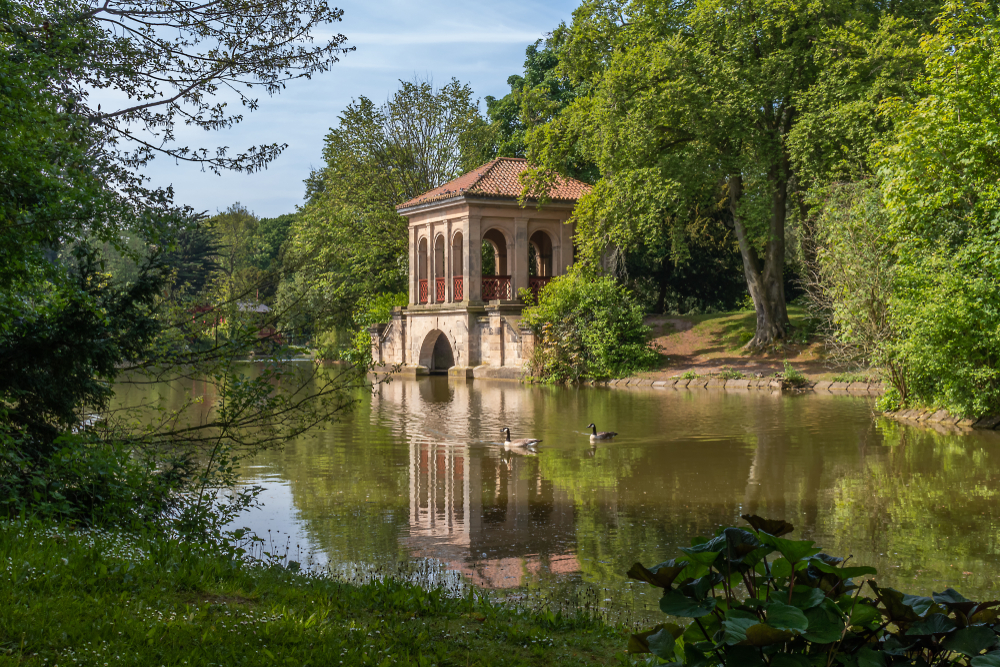
Designed as the world’s first publicly funded civic park, Birkenhead Park was studied by the creators of Central Park in the 1850s.
Incredible to think that one of the most famous green spaces on the planet owes so much to our wonderful Wirral.
Check out this Smash-hit Liverpool musical – Under the Mersey Moon, heading to Floral Pavilion.
Find out what’s good up North on our new platform, The Northern Guide.



 Subscribe
 Follow Us
 Follow Us
 Follow Us
 Follow Us
 Follow Us