Save money on train tickets with the Avanti West Coast Summer Sale 🚄




Days Out
11 reasons you have to visit Calderstones Park
5 months ago
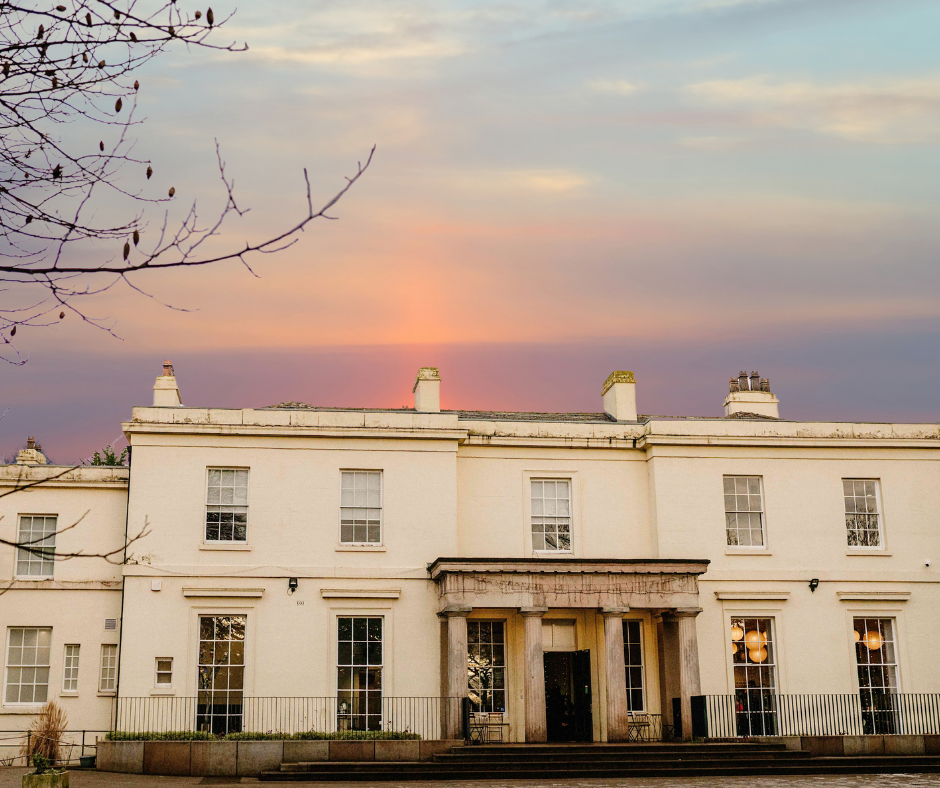
Liverpool is home to a collection of parks and green spaces, and among the most impressive is Calderstones Park.
Behind the gates of the 94-acre oasis in Allerton you’ll find some amazing places and fascinating features – because Calderstones is more than just a pretty space!
Here’s 11 reasons you need to visit this brilliant park!
The Japanese Garden
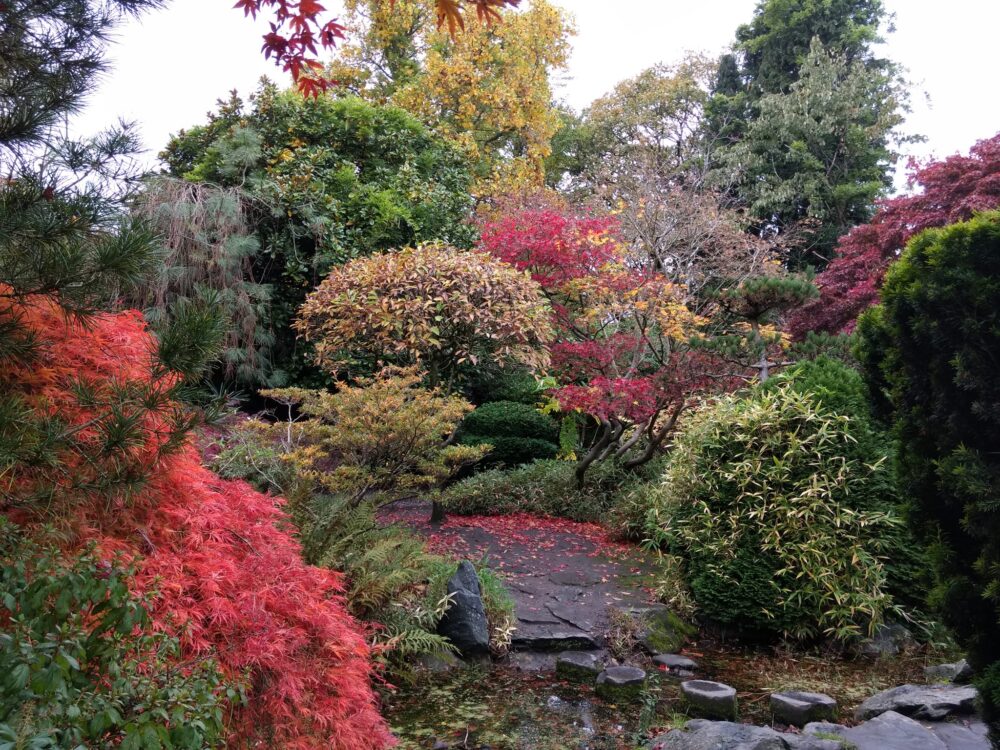
Almost hidden in a quiet corner of the park is the Japanese Garden, open – so a sign outside it says – so the public can ‘enjoy the tranquillity of a Japanese scene’. Cobbled footpaths guide you around the walled garden filled with native Japanese shrubs and trees including beautiful fiery red maples, rhododendrons, azaleas, camellias and a Japanese Cherry Tree. Kids’ll love the stepping stones across the pond.
The Old English Garden
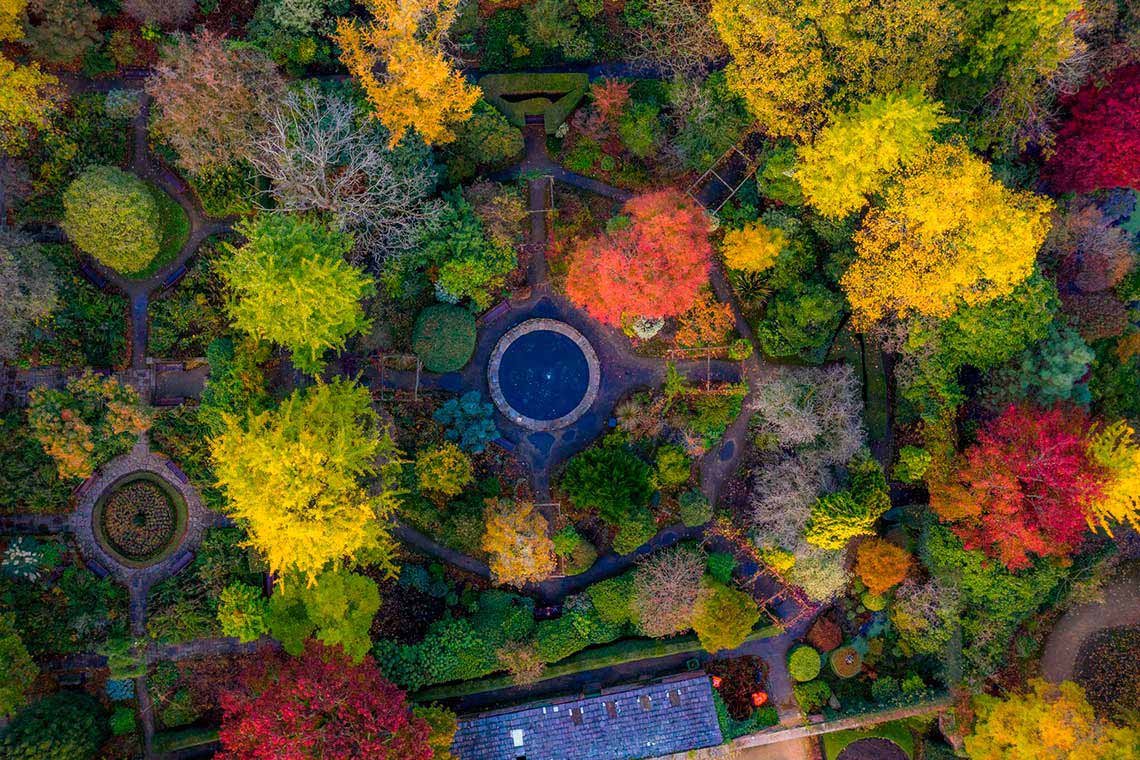
Within the same walls as the Japanese Garden is the Old English Garden, neatly planted with flower beds that contain a range of colours and fragrances in summer.
The Mansion House
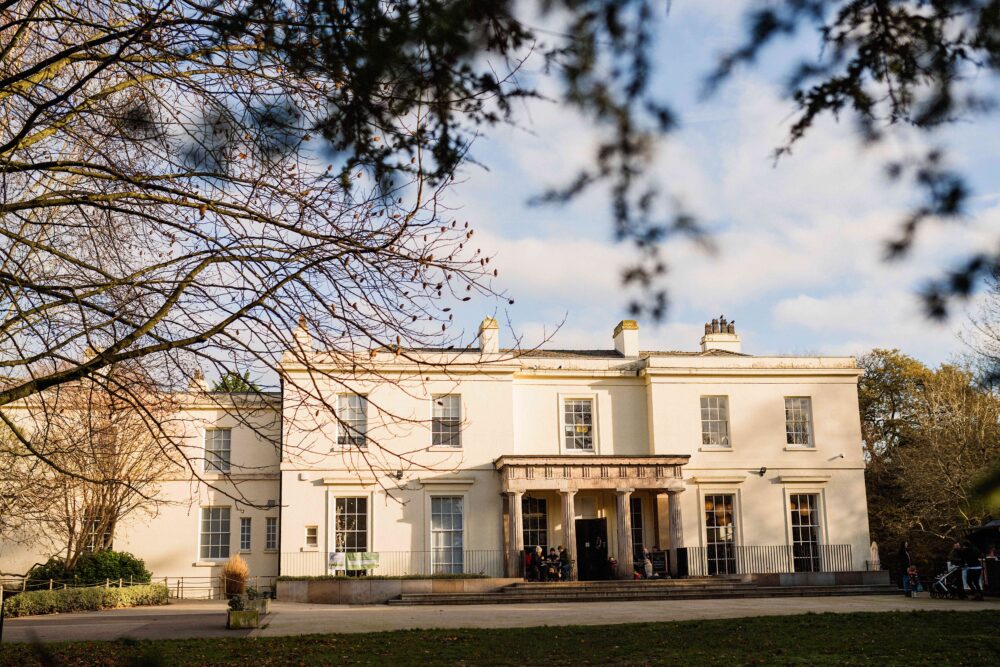
Nestled among the South Liverpool park land is a Grade II listed Mansion House, built in 1828 for the lead shot manufacturer Joseph Need Walker. Following Joseph’s death, the house was owned by Charles MacIver, who co-founded the Cunard Line shipping company, and in 1902 the estate was bought by the Liverpool Corporation.
The Reader

The Reader’s the UK’s biggest Shared Reading charity, dedicated to connecting thousands of adults and children with literature to improve wellbeing, literacy and a sense of community, through programmes in hospitals, prisons and community spaces – like Calderstones Park. The Reader brings storytelling to life with cosy reading nooks and workshops held within the Mansion House, and for little ones and families especially, in the Storybarn.
Memorial to Jet the Dog
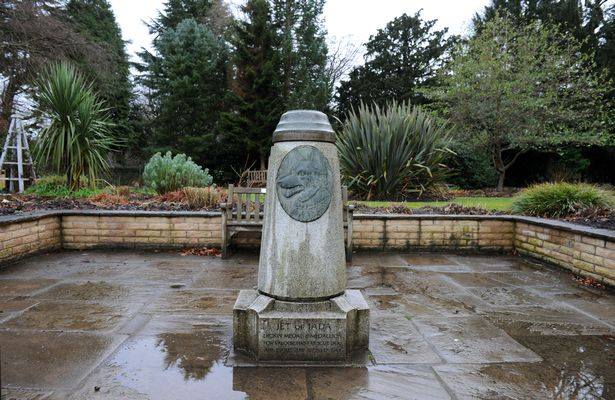
There’s so many gardens within Calderstones including another not far from the Japanese and Old English Gardens which, in the 19th Century, would have been the kitchen garden where rows of fruit and veg would have been grown. In the centre is a memorial to Jet the dog, born near Calderstones in 1942 and trained at the War Dogs School in Gloucester. He was the first official civil defence rescue dog and was renowned for bravely refusing to leave collapsed buildings until everyone was brought out. In 1945 he was awarded the Dickin Medal for saving more than 50 people trapped in buildings that had been bombed.
The Allerton Oak
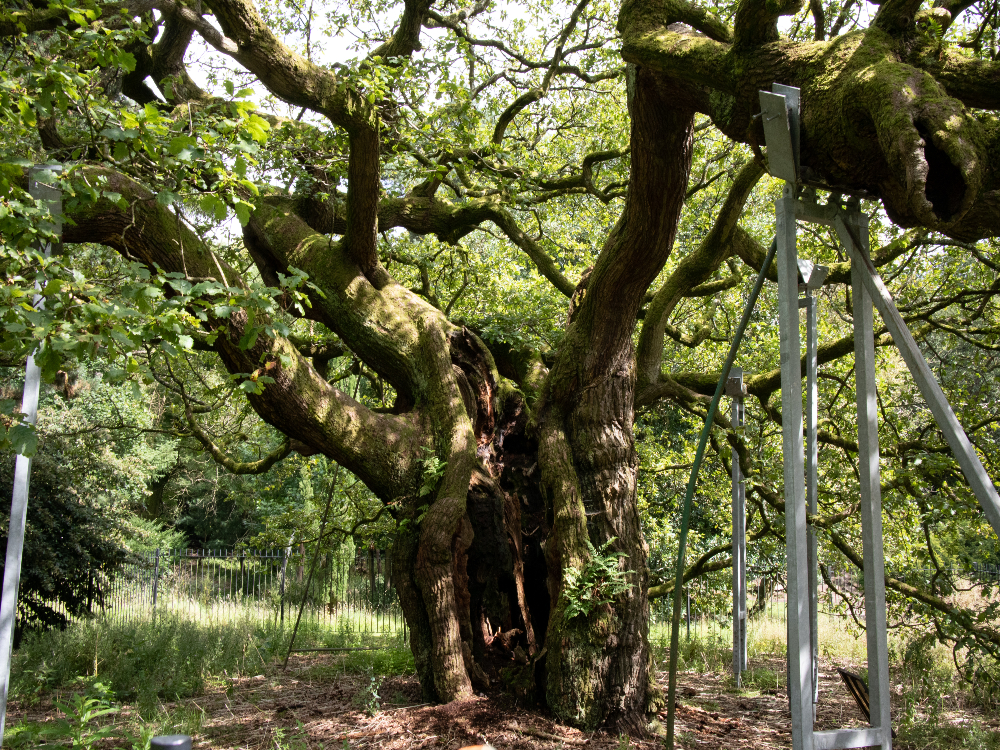
The Allerton Oak – also known as the Law Oak or the Whittaker Oak – is thought to be more than 1,000 years old, making it one of the oldest living things in Liverpool and a cherished part of the city’s heritage. A symbol of strength and resilience, legend has it that the Allerton Oak’s trunk was split by the force of an explosion on a nearby ship Lottie Sleigh, moored on the River Mersey, in 1864 and during WWII soldiers’ friends and families would send them acorns and leaves from the tree to protect them.
The Calder Stones
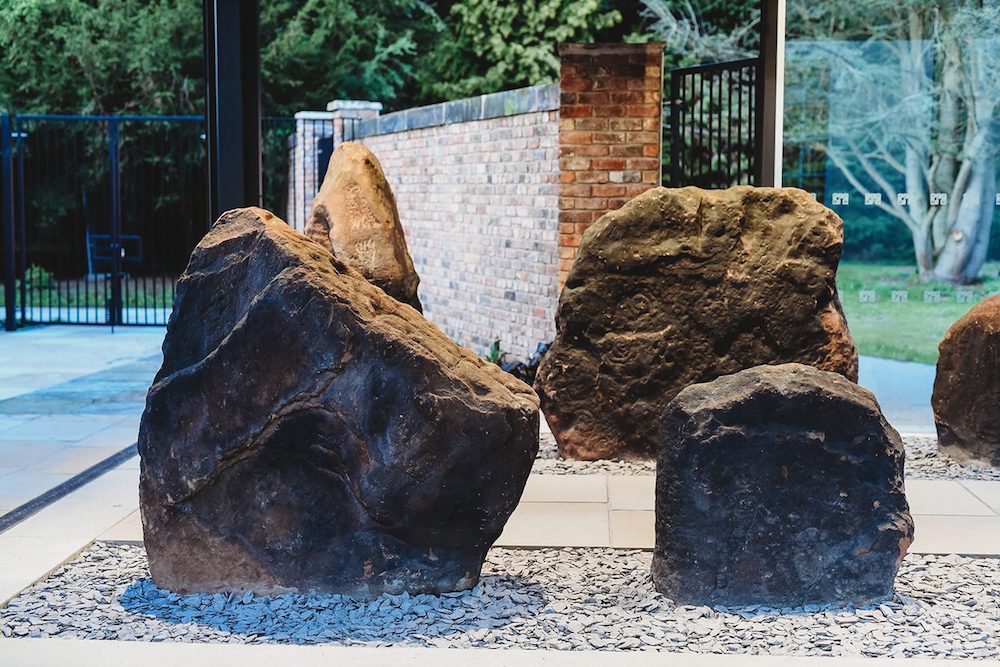
The 5,000 year-old Calder Stones – which gave the area its name – are believed to be the remains of a prehistoric tomb which once stood on the boundary between Allerton and Wavertree, close to the entrance of Calderstones Park. They’re older than Stonehenge, and feature ancient carvings including spirals, concentric circles, and footprints. Once housed in the Harthill Vestibule in the park, you’ll now find them in a dedicated space in Calderstones Mansion House.
The Reader Café and Ice Cream Parlour

The Reader Café’s in the Mansion House selling breakfast and lunch daily with scrummy choices like fish finger butties, mac & cheese, jacket spuds and Reader Lamb Scouse, while the Ice Cream Parlour’s next to the Storybarn selling all your favourite ice cream flavours from Cheshire Farm Ice Cream, all year round. What’s great about both – other than what they serve – is that all profits are gifted back to The Reader to support its charitable work.
The Lake

Calderstones Park has a huge lake which was only added to the park in the 1930s during the Great Depression as part of a government funded, public works unemployment relief scheme. Once used for boating, it’s now a magnet for children who want to feed the ducks and grown-ups can fish there (providing they have a rod licence from the Environment Agency, and a free angling permit from Liverpool City Council).
Miniature Railway
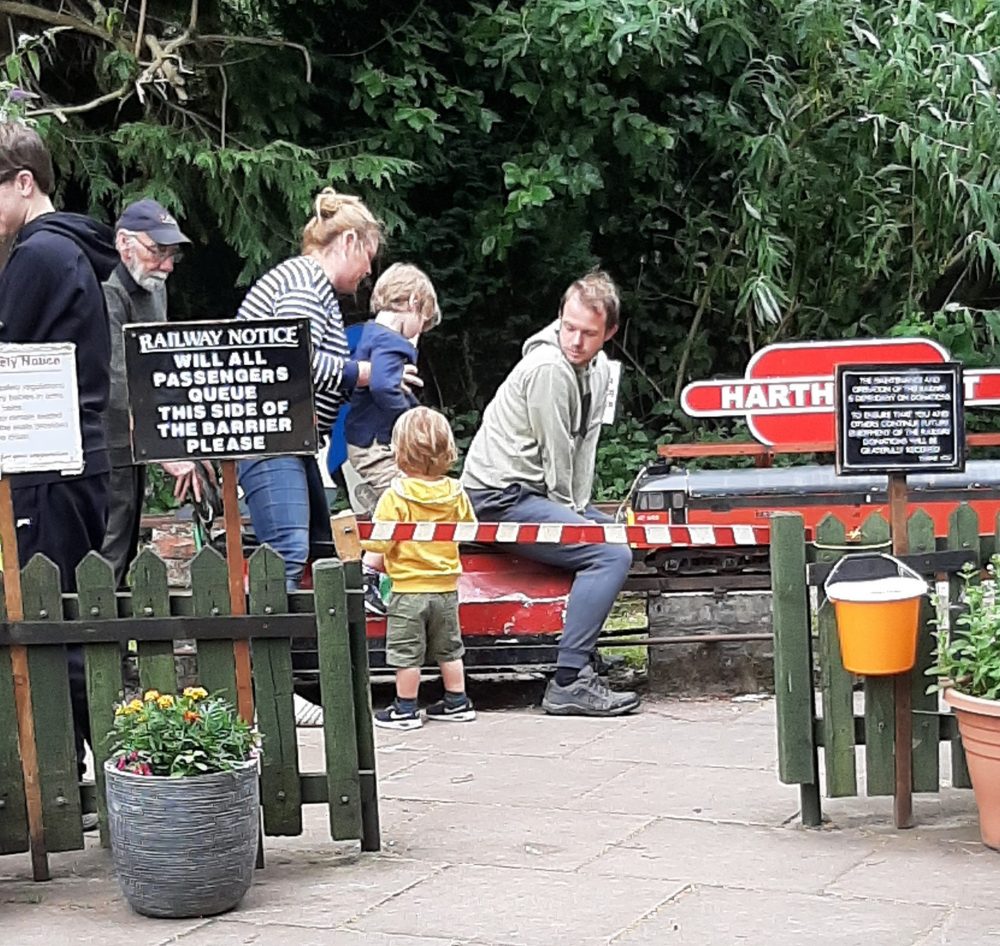
The railway is at the Harthill Road end of the park and runs every Sunday from 2pm-4pm, weather permitting. Rides are free, but donations to Merseyside Live Steam & Model Engineers – the non-profit organisation who runs it – are welcomed.
Playground
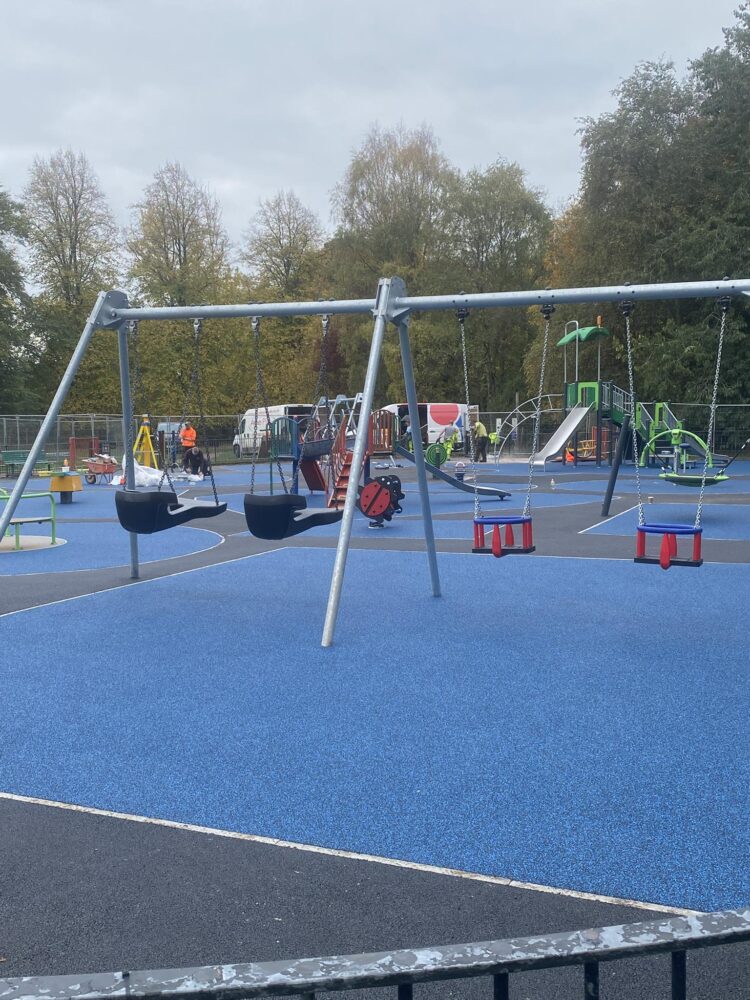
The Linda McCartney playground’s a go-to for toddlers and young children with slides, swings, climbing frame, roundabout, spinners and spiders web, and it was donated by Beatles legend Paul McCartney in memory of his wife. A wooded play area nearby includes a larger climbing frame, balance beams and spinner.



 Subscribe
 Follow Us
 Follow Us
 Follow Us
 Follow Us
 Follow Us