Visit our new platform The Northern Guide




International
Fuel prices expected to increase due to Iran conflict
1 hour ago
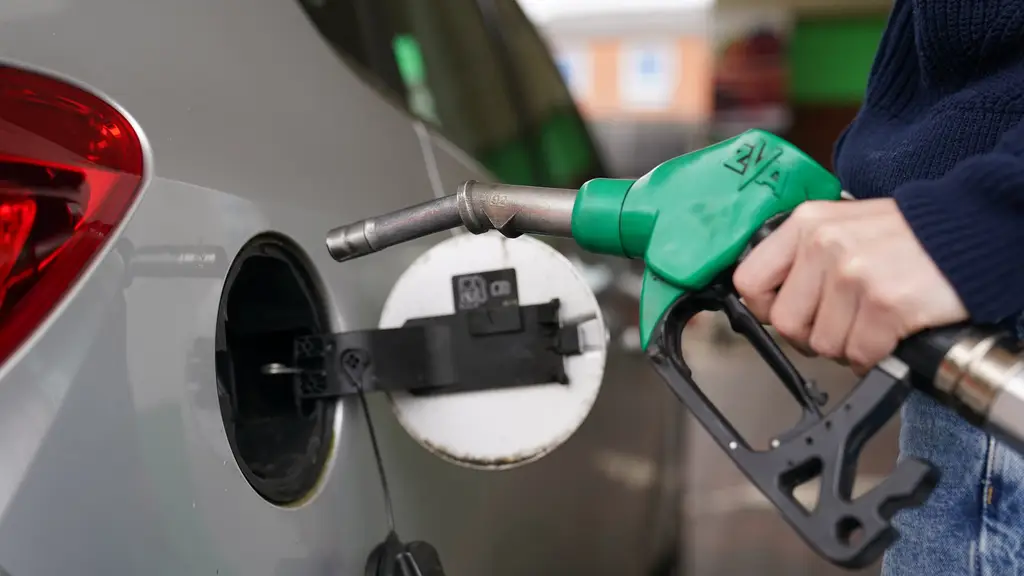
UK Drivers are being warned to expect a rise in fuel prices because of the conflict in the Middle East.
The AA said prices will “inevitably increase” while the RAC said the conflict has the “potential to push up pump prices” but “it’s not a certainty”.
Disruption to tanker traffic in the Middle East has sparked a rise in oil prices, which have a significant effect on wholesale fuel prices.
On Monday, the price of Brent crude oil soared by as much as 13%, rising above 82 US dollars a barrel, before paring back.
Pump prices at UK forecourts were already increasing slightly in recent days to more accurately reflect wholesale prices.
AA president Edmund King said much of the increase in oil prices since the start of the war was “being factored in by market traders” in advance.
He predicted that petrol prices could return to levels last seen at the start of 2026, when a litre of petrol was an average of 135.7p, compared with as low as 131.9p last month.
Mr King said:
“Obviously, some global oil distribution disruption will continue depending on the length of the conflict and issues in the Strait of Hormuz.
“Pump prices in the coming weeks will inevitably increase, possibly in the short term back up to where they were at the start of the year.”
“There is no need for drivers to break their refuelling routine.
“It takes time for cost increases to work their way through to the pump.”
RAC head of policy Simon Williams said:
“While the conflict in the Middle East undoubtedly has the potential to push up pump prices in the UK, it’s not a certainty.
“The oil price would have to rise significantly and stay that way for some time to have a dramatic effect.”
He added that oil prices reaching 100 dollars per barrel would take petrol prices “nearer to 150p per litre, but it’s all too soon to know”.
Andrew Watson, director at pump price comparison service PetrolPrices, said:
“Global events over the weekend have pushed wholesale fuel costs sharply higher, and that is likely to feed through to UK pump prices in the coming days.
“Motorists should expect gradual price rises across both petrol and diesel.
Paul Barker, editor at magazine Auto Express, said the conflict is “likely to have a negative impact on oil prices in the short term”.
He continued: “The longer-term effects will depend on whether and how things escalate, but it’s not unreasonable to expect fuel prices to rise.”
The Prime Minister’s official spokesman said:
“The Government is monitoring the situation closely.
“The UK benefits from strong and diverse security of energy supplies.
“The Energy Secretary (Ed Miliband) spoke to the executive director of the International Energy Agency (Dr Fatih Birol) over the weekend.”
“There are currently no reported impacts to UK fuel supply.
“DESNZ (the Department for Energy Security and Net Zero) will continue to monitor UK fuel stocks and sales.”
Find more Liverpool news here.
Find out what’s good up North on our new platform, The Northern Guide.
From the best hotels, beauty spots, days out, food and more up North – visit thenorthernguide.com and follow The Northern Guide on Instagram HERE.

The Guide Liverpool Editorial Team
The Guide Liverpool proudly shares regular stories from in and around Liverpool. From the latest news, to the best what’s on listings. Our editorial team is made up of trained journalists and media professionals, meaning you will never miss a moment from the city region.







 Subscribe
 Follow Us
 Follow Us
 Follow Us
 Follow Us