Visit our new platform The Northern Guide



Health & Fitness
New book by Liverpool author explores the dangers of using social media for health advice
2 months ago
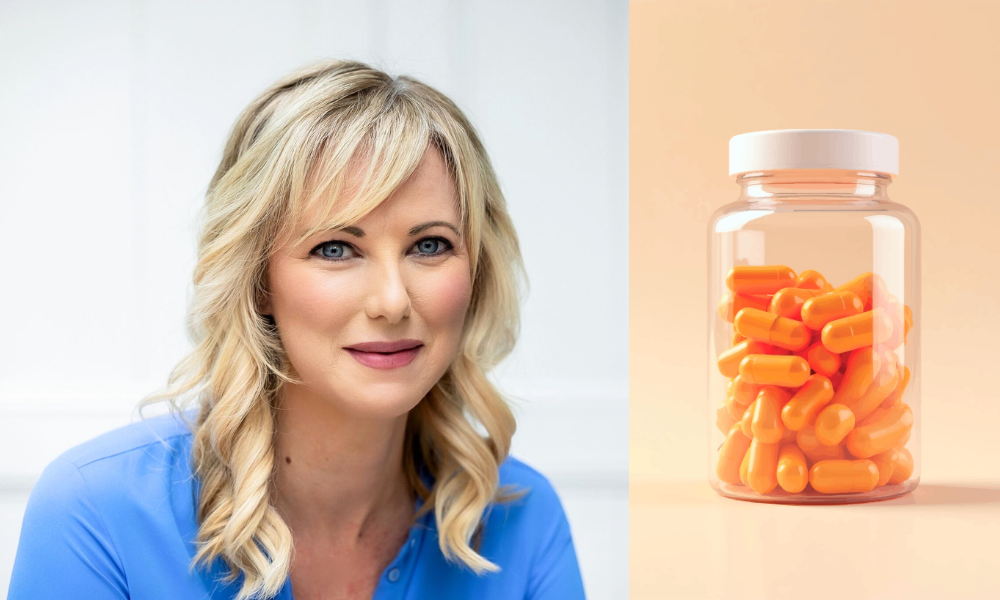
Liverpool author Dr Deborah Cohen examines how social media, influencers and AI are reshaping how we look after our health.
If you want help about your health or you’re looking to lose a few pounds these days, you’re as likely to look online as you are to book an appointment with your GP.
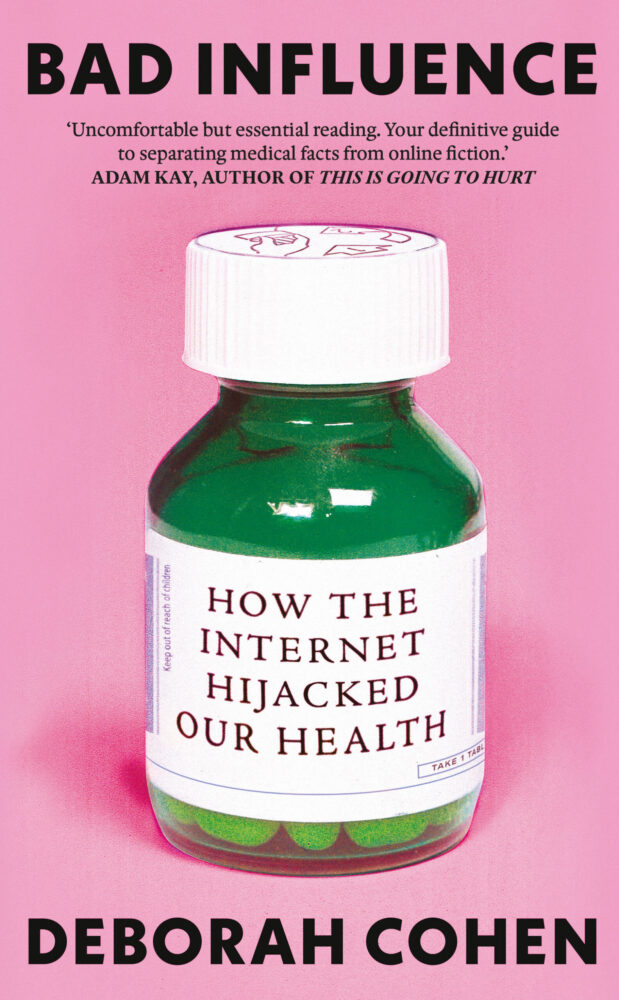
But Liverpool author and doctor Deborah Cohen prescribes a dose of scepticism in her new book, Bad Influence: How the Internet Hijacked Our Health, which explores how we can separate medical fact from the fiction we can find on our phones and computers.
As NHS waiting times grow and face-to-face appointment decline, influencers have stepped into the breach: with celebrities telling us about their personal journeys, savvy sellers offering solutions, and ChatGPT prescribing treatment plans!
And Deb, a former science editor for ITV News and health correspondent for BBC Newsnight leading their Covid coverage, explains that while platforms like Instagram and TikTok can offer support and community, they’re also ‘galleries of medical anxiety and vulnerability whose primary function is to drive consumption’.
Deborah Cohen said:
“All these changes are happening, and I think it was speeded up by Covid when people were using TikTok and social media for health information,”
“Health is becoming a highly profitable commodity.
“I was at my auntie’s house in Allerton, and a cousin came round who had bought an AMH test (Anti-Müllerian Hormone) promoted on Insta and she thought it would tell her how fertile she was because she was trying to get pregnant.
“And I thought, but it’s not going to do that.
“I was also talking to lots of mates – none of them conspiracy theorists, none of them with medical backgrounds – and they were all searching for information on HRT, or ADHD, or tests and treatments online. Some were self-diagnosing. And one said, you really need to write about this.
“When I started, I didn’t know where it, or I, would end up.”
Deb – who is speaking at the Festival of Data at Liverpool ACC on February 6 – soon realised that away from traditional sources of support and expertise there were ‘new players in town’ when it came to looking after our health.
She added:
“There are tech platforms, we have got influencers who are making money in all sorts of different ways, and I was interested to see what impact that was having.
“I spoke to 200 people, influencers, content creators, marketing agents, academics, and doctors, to get a 360 view. But what I ultimately thought was that these platforms are geared towards entertainment and shopping, they’re marketing and commercial platforms: and what do these things together do to our health?
“What happens when you put health on a shopping platform? If you look at trending videos or reels, a lot of them have commercial incentives, where you make money and you want as many views as possible, and that clearly influences behaviour.
“I’m not black and white about it; there’s good and bad. But while medics and academics have long been used to declaring conflict of interest, that doesn’t happen on social media (or not enough).
“And I wanted to encourage people to think sceptically about what they read.”
Deb explores how the average person can tell what’s helpful and what’s a waste of money from private companies selling weight loss drugs and celebs selling supplements, to digital ads promoting costly tests and AI-powered diagnoses. And, crucially, what could be harmful.
She said:
“There are well-meaning people out there and social media does encourage community. It encourages people to learn about their illnesses, and people feel listened to – we saw that with women’s health.
“But people are using that and exploiting that to sell them stuff they don’t need. You have people telling you you’re broken and selling you the protocol that will ‘fix’ you.
“I can see real benefits,”
“It can help and it will be interesting to see what happens with ChapGPT in areas where you can’t get appointments.
“We are seeing huge changes in health care.
“It might be good. I interviewed a breast surgeon who had breast cancer herself, and she found support and tips when having chemo about what to eat, and she was sent lots of love, and having that community can really help, especially if you’re isolated by a condition.
“It might be bad: if you’re buying drugs online you’re not necessarily being briefed about what the interactions are. They don’t know your full medical history.
“We have got this Wild West of health information. Health is being consumerised and I think there can be real harm in that.
“I always ask ‘why should I believe you?’ and that might be a good place for anyone to start.”
Deborah Cohen will be speaking at The Festival of Data, which is being held at ACC Liverpool from February 5-7. Hosted by the Civic Data Cooperative (CDC), the festival marks the end of the ambitious 5-year programme of work around data collection, visualisation, stewardship and innovation.
Funded by the Liverpool City Region Combined Authority and delivered by the CDC and Civic Health Innovation Labs at the University, it aims to share creative and imaginative ideas from businesses, communities and schoolchildren demonstrating how data will be used to deliver the best public services for the city region.
 Subscribe
 Follow Us
 Follow Us
 Follow Us
 Follow Us
 Follow Us