Visit our new platform The Northern Guide




Health & Fitness
Three-year plan aims to save thousands of lives across Merseyside through early cancer detection
46 minutes ago
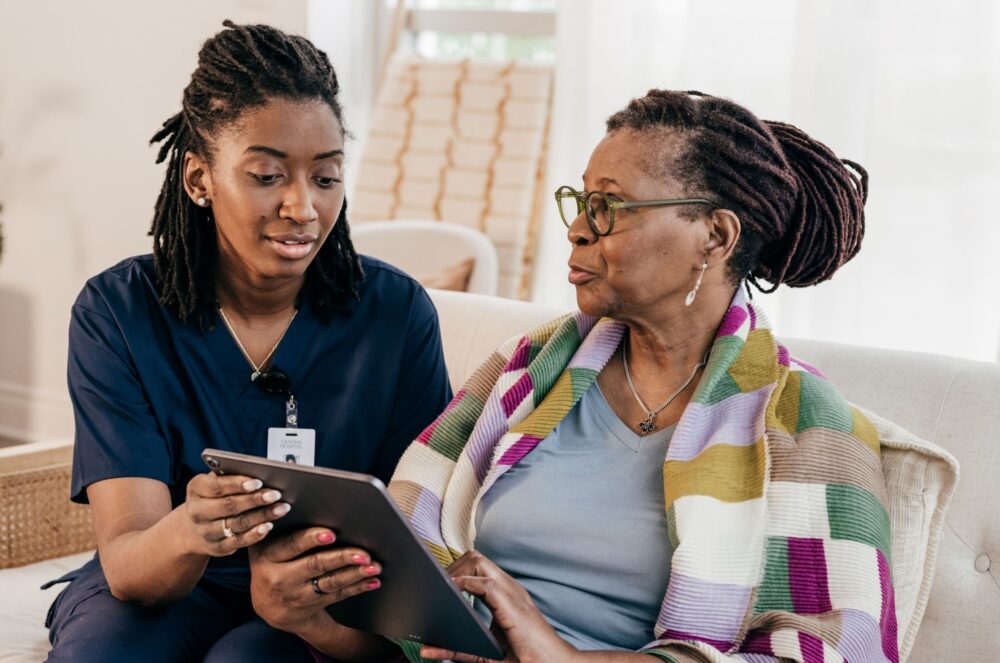
Health leaders across Merseyside and Cheshire have set out a three-year plan to save thousands of lives by diagnosing more cancers earlier.
The ambitious Earlier Diagnosis Strategy by Cheshire and Merseyside Cancer Alliance (CMCA) builds on recent progress that has already lifted early diagnosis rates in the region from 54.2% to 59.8% since 2019.
When cancers are found earlier, at Stage I or II, treatment is more likely to be successful, and recovery can mean more years of good health. This is why CMCA is focussing on improving rates further, aiming for the ambition that 75% of cancers are diagnosed at an early stage by 2028.
The Strategy also targets communities which suffer higher than average rates of deprivation, where early diagnosis is worse than areas of economic advantage. 23% of residents in Merseyside and Cheshire live in neighbourhoods classed among the 10% most deprived nationally, and more than a third live in the 20% most deprived. Evidence shows that people in more deprived areas are more likely to be diagnosed via emergency presentation, which is associated with later stage disease and poorer outcomes.
The blueprint also focuses on the growing demand on services. Due to an ageing population, around 17,000 new cancer diagnoses are recorded in the region each year, with the number rising by roughly 400 cases a year.
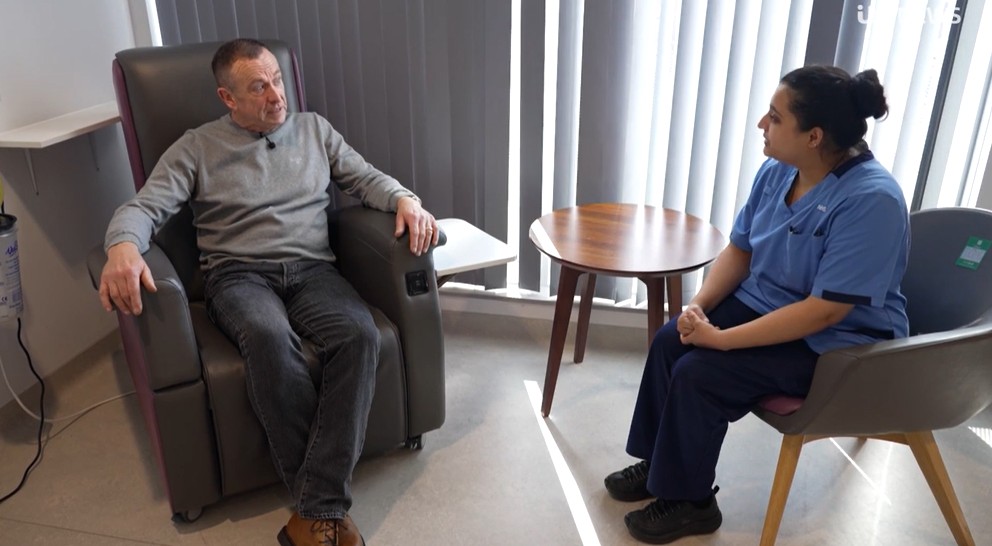
Liverpool cancer patient Paul Dooley is supporting the Strategy saying that early diagnosis is vital to increase the chances of people surviving the disease.
Paul was diagnosed with head and neck cancer in 2023 but is now fully recovered after treatment. He was encouraged to visit his GP practice by his wife when a cough would not go away.
Paul, 62, of Halewood, who is now back at work after his treatment, said:
“Early diagnosis is the most important aspect of cancer treatment and care. Finding the disease when it can be treated more successfully is vital to people surviving and having a better quality of life after they have had therapy.
“It is great to know that there is much more that can be done to find cancer swiftly and move patients rapidly to the treatment stage.”
CMCA’s plan pulls together several strands of work which as whole can shift more diagnoses to earlier stages. Firstly, it will continue to support timely presentation – helping people recognise symptoms and feel confident seeking health advice. The Alliance’s Community Partnerships programme has already delivered direct engagement on cancer messaging to around 49,000 people through more than 200 community groups, focused on the most socio-economically deprived communities.
The Alliance is also planning more awareness campaigns that build on national awareness raising of cancer, including targeted ‘micro-campaigns’ designed for groups less likely to engage with traditional messaging.
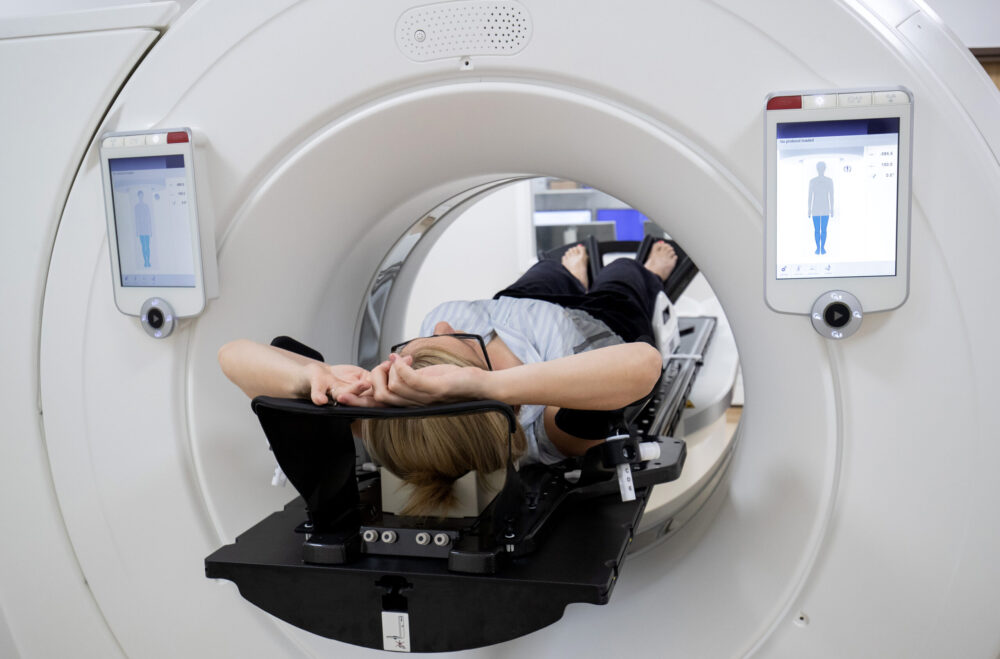
The Alliance will work with primary care teams in GP practices to strengthen how cancer symptoms are assessed and referred on, including improving the quality of urgent cancer referrals and sharing practical tools that help clinicians identify patients who may need tests sooner. Training and education will continue for GPs, nurses, dentists and wider community teams, alongside better use of data to spot where screening and referral activity can be improved.
Work is also planned to streamline referral routes, so patients get to the right test first time. This includes developing clearer routes for women taking hormone replacement therapy (HRT) who experience unexpected bleeding, and piloting community prostate clinics for people whose symptoms fall just below the usual urgent referral threshold but still need closer assessment.
The strategy also backs continued use of bowel screening at-home tests (which look for hidden blood in poo) to help triage bowel symptoms – an approach linked with improving early diagnosis for colorectal cancer across Cheshire and Merseyside.
Jon Hayes, Managing Director of Cheshire and Merseyside Cancer Alliance, said:
“Early diagnosis of cancer saves lives. Catching the disease earlier gives people more treatment options and the best chance of recovery.
“This Strategy is about making it easier for people across our population to get checked, and make sure services across Cheshire and Merseyside work in partnership so fewer people are diagnosed in an emergency.
“The incidence of cancer in our area is higher than the national average and we must produce innovative ideas and work together to get the very best outcomes for people who develop it. Improving early diagnosis rates across the 2.5 million population of Cheshire and Merseyside can translate into thousands of lives saved and more people than ever living well after treatment.”
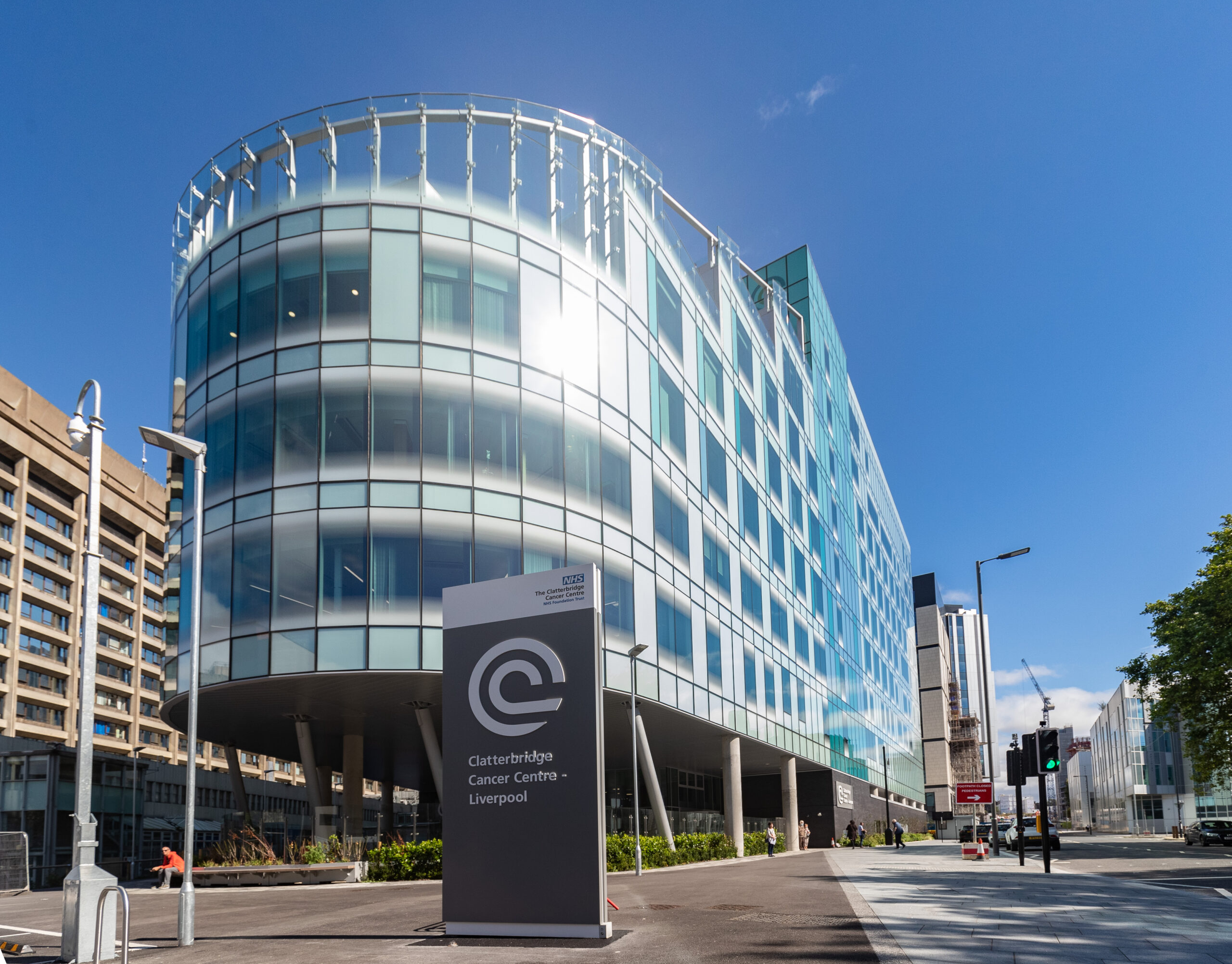
Find out more on the Clatterbridge website.
Find more Liverpool news here.
Find out what’s good up North on our new platform, The Northern Guide.
From the best hotels, beauty spots, days out, food and more up North – visit thenorthernguide.com and follow The Northern Guide on Instagram HERE.

The Guide Liverpool Editorial Team
The Guide Liverpool proudly shares regular stories from in and around Liverpool. From the latest news, to the best what’s on listings. Our editorial team is made up of trained journalists and media professionals, meaning you will never miss a moment from the city region.




 Subscribe
 Follow Us
 Follow Us
 Follow Us
 Follow Us