Visit our new platform The Northern Guide




Features
What Did That Used to Be? 10 Much-Loved Liverpool Buildings With a Fascinating Past
7 hours ago
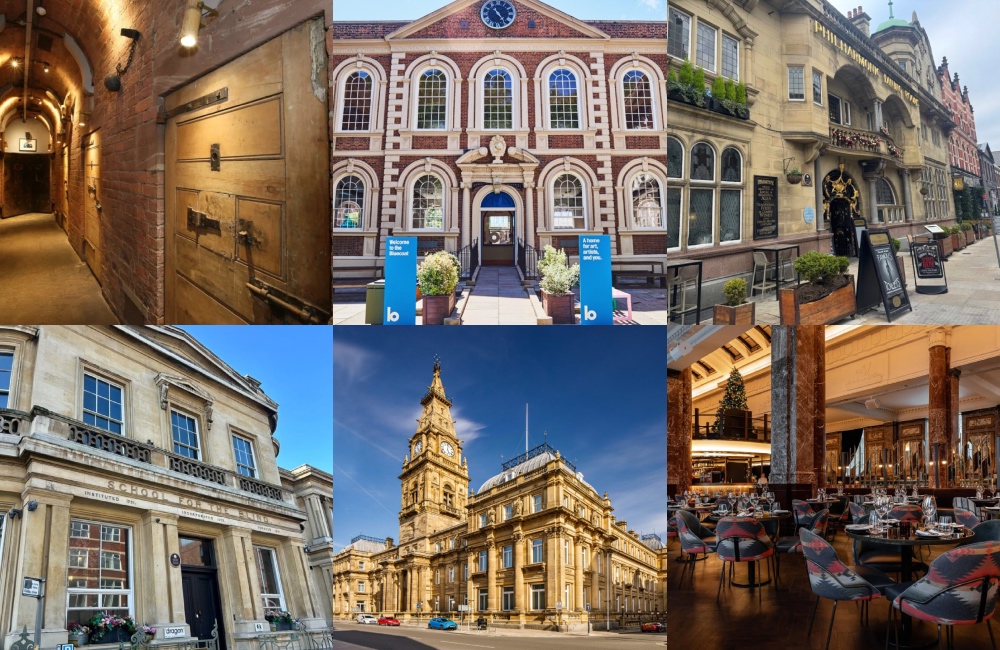
Have you ever walked through Liverpool City Centre and wondered what the buildings used to be?
Across the city, some of our best-loved venues once had very different lives. Grand banks have become steakhouses. Victorian prisons now serve pints. One city hotel used to run the business of Liverpool itself.
From former council headquarters to historic schools and financial institutions, these 10 buildings prove that in Liverpool, the past is never far away.
The Municipal Hotel & Spa
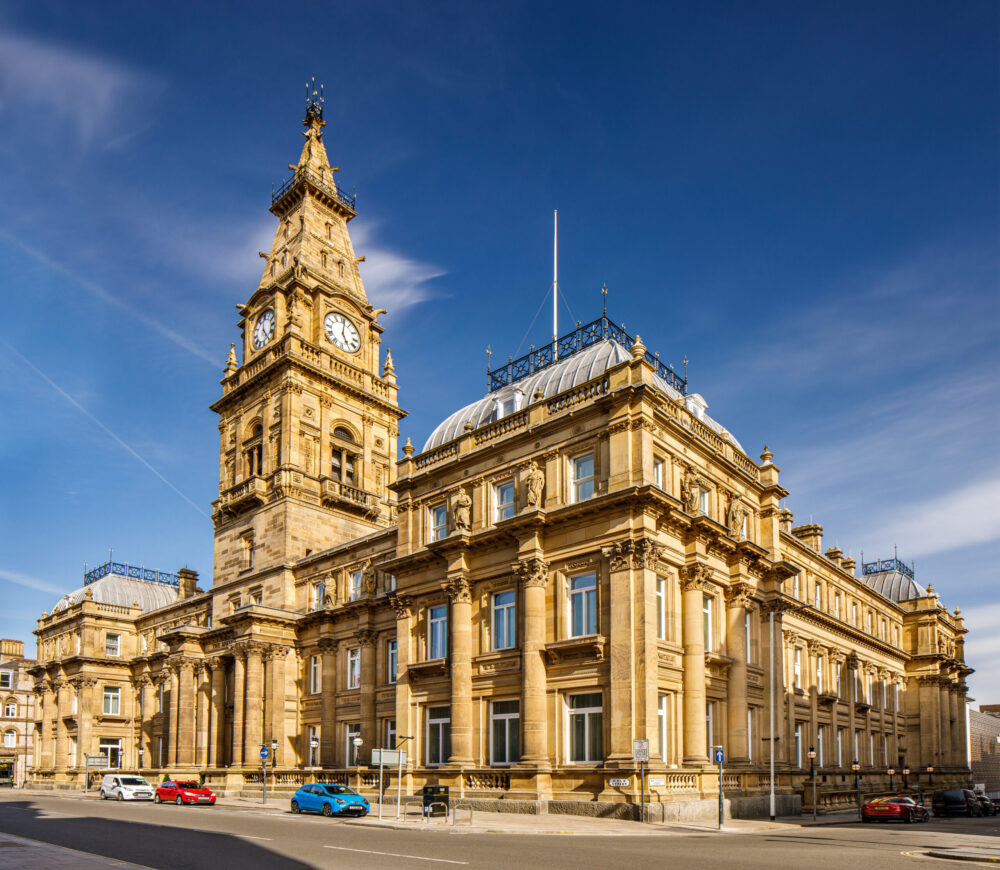
Now: Luxury hotel
Then: Liverpool’s city council headquarters
The Municipal Buildings on Dale Street opened in 1868 as the headquarters of Liverpool City Council. Key decisions about Liverpool were made here for more than 150 years.
Today, people enjoy afternoon tea and treatment beneath the same grand ceilings. After the council moved to the Cunard Building in 2016, the Victorian complex became The Municipal Hotel & Spa in 2023 – it’s now Liverpool’s first 5-star hotel.
Find out more here.
Gaucho
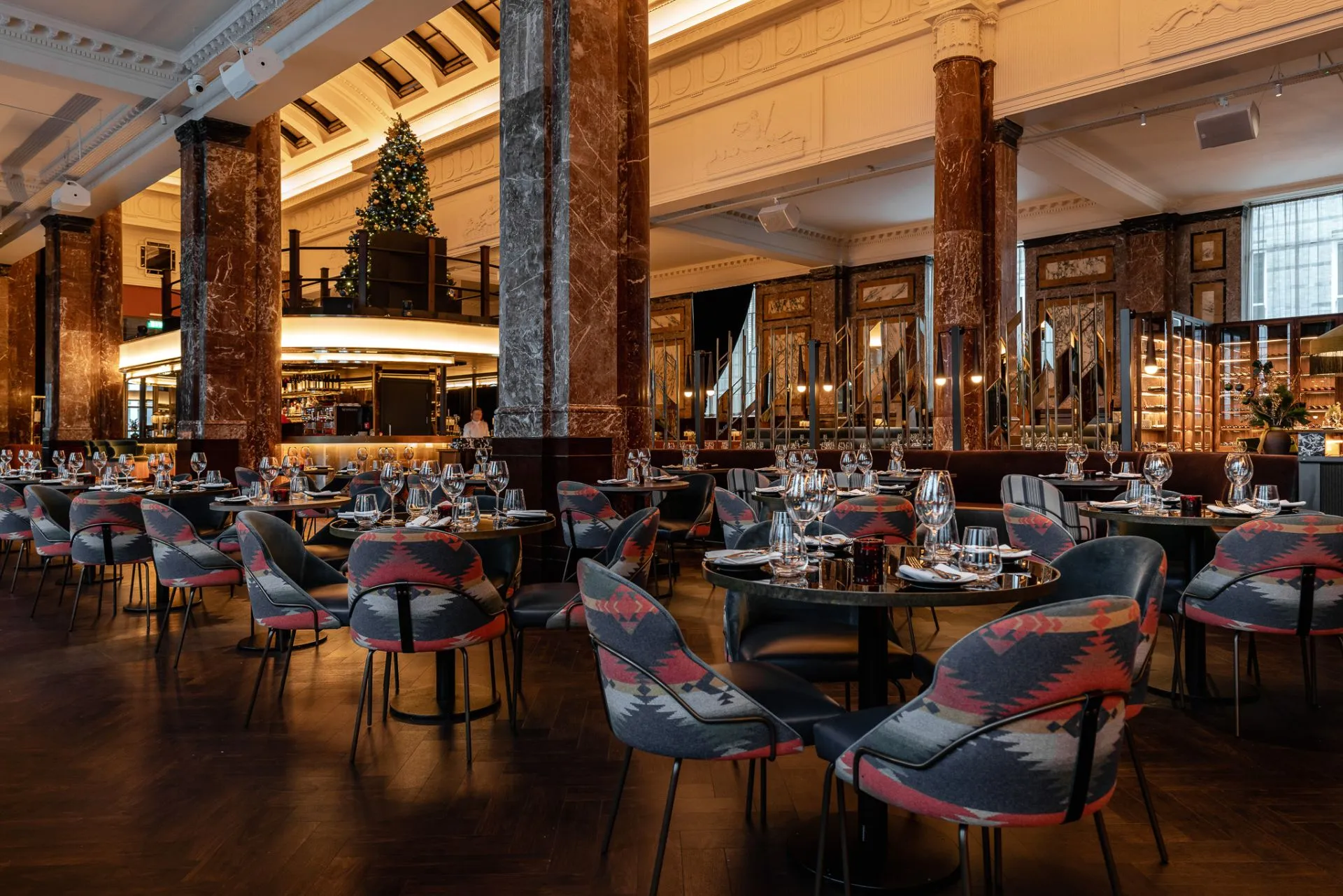
Now: Argentine steak restaurant
Then: Bank of Liverpool building
The impressive domed building on Water Street, with its iconic bronze tiger-head door, was originally the Bank of Liverpool. Founded in 1831, it was once one of the most powerful banks outside London.
The banking hall was closed for 15 years after Barclays sold the building in 1989, before transforming into stylish steakhouse Gaucho in 2022. The restaurant’s dramatic architecture and interiors made it a key filming location for the BBC drama, This City Is Ours, in 2025.
Find out more here.
The Ivy Liverpool
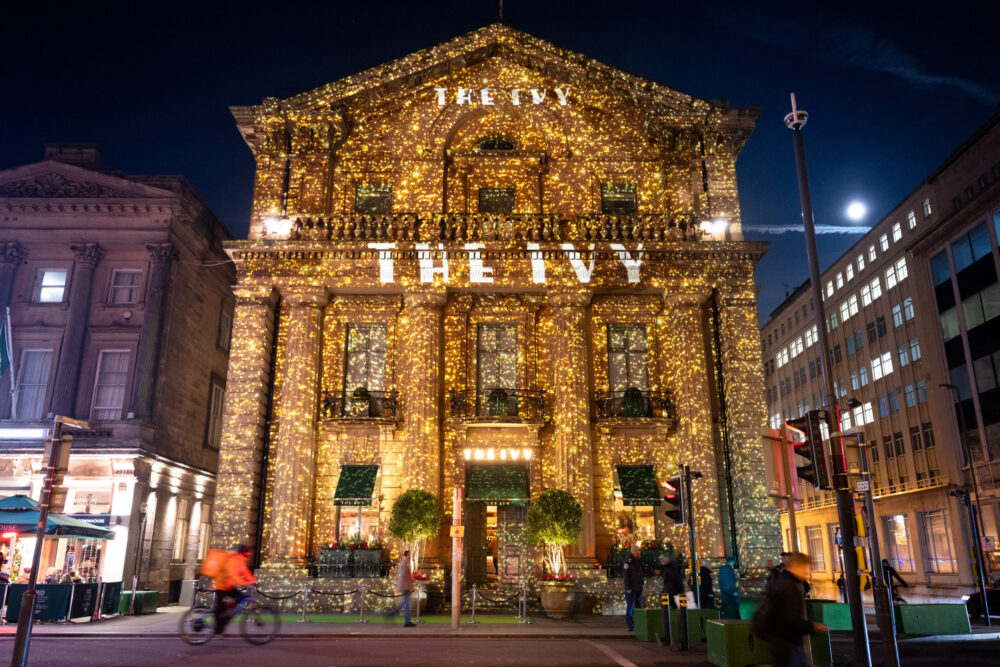
Now: High-end restaurant
Then: Bank premises
Castle Street, once Liverpool’s banking hub, housed financial institutions that supported Liverpool’s global shipping trade. The Grade-I listed building at 31 Castle Street was the city’s Bank of England branch until 1987.
Today, the grand interiors have been repurposed as dining hotspot The Ivy Liverpool Brasserie and its sister venue, The Ivy Asia. Look closely and you can still see the scale of the old banking hall beneath the greenery.
Find out more here.
The Philharmonic Dining Rooms
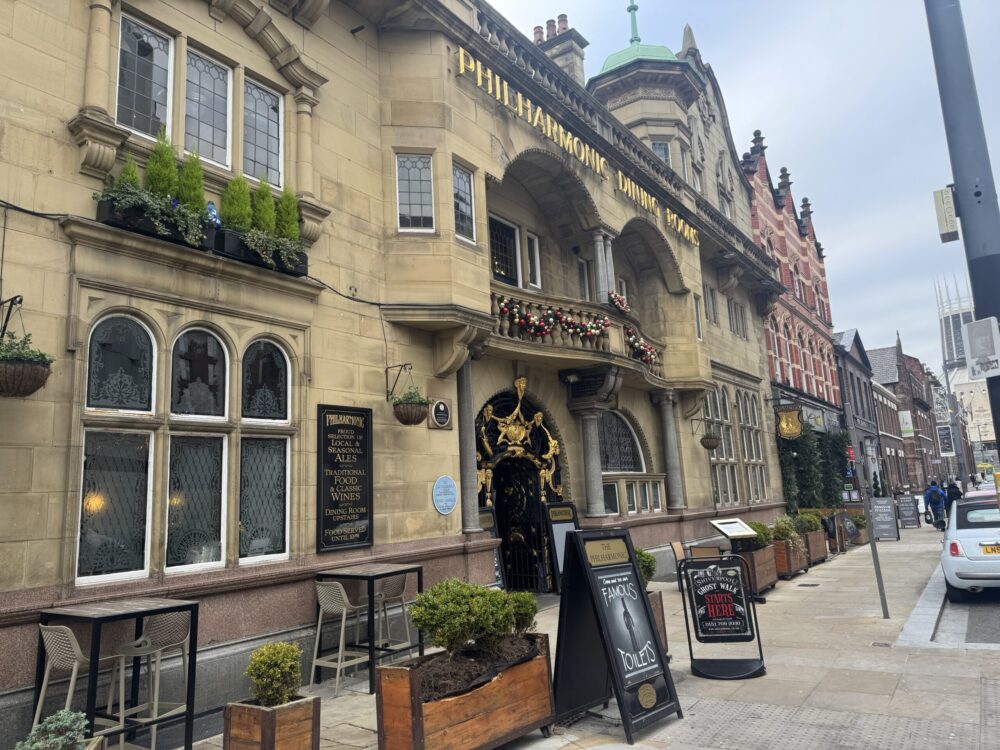
Now: A Liverpool drinking institution
Then: A Victorian public house
Built in 1898 for Robert Cain’s Brewery, the Philharmonic Dining Rooms was designed to serve concertgoers from the Philharmonic Hall. Still packed most nights, the Grade-I listed building also houses what might just be the most famous toilets in the UK.
Next time you’re waiting at the bar, look up – the stained glass, marble and carved woodwork were all designed to impress Victorian drinkers.
Find out more here.
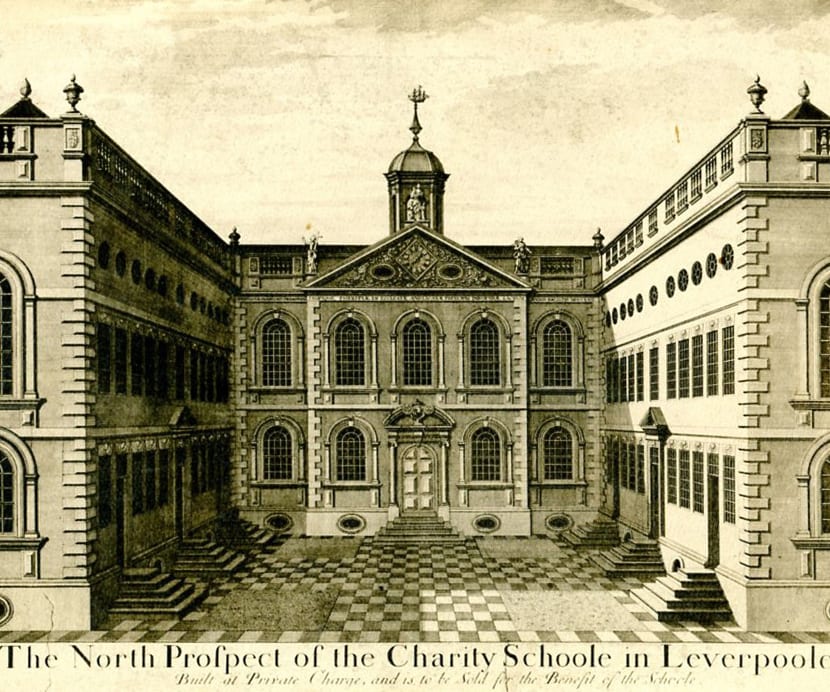
The Bluecoat
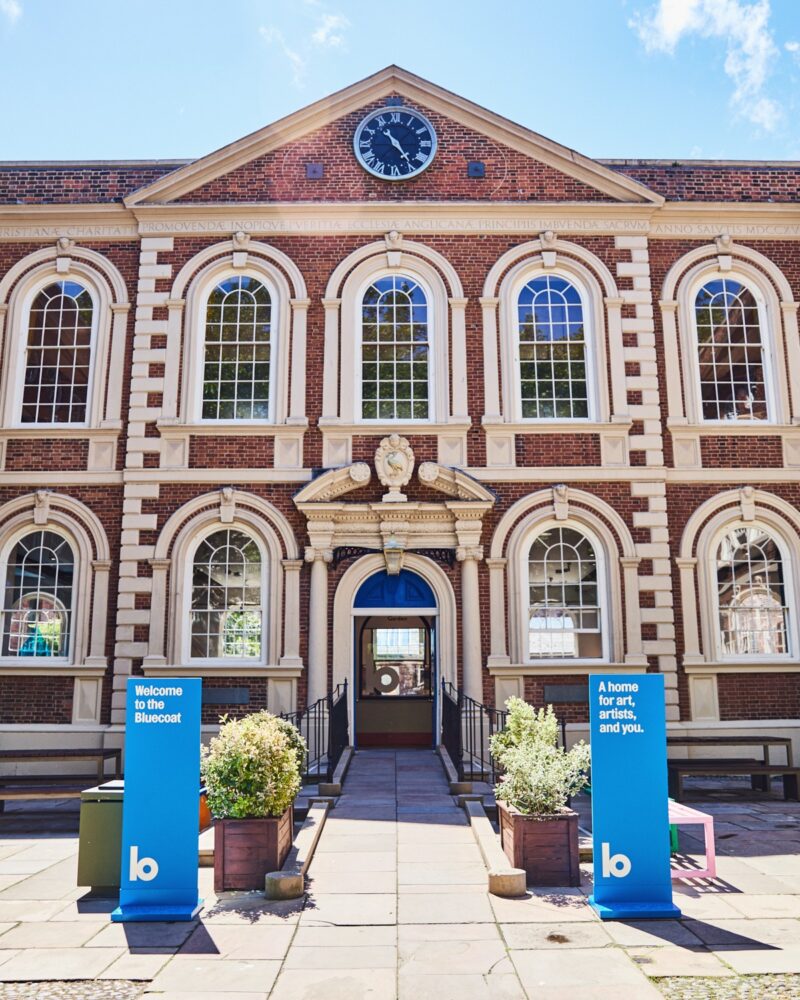
Now: Arts centre, café and galleries
Then: Charity school
Built in 1717, the Bluecoat is Liverpool’s oldest surviving city-centre building. It began as a charity school for poor children before becoming an arts centre in 1927. The building was heavily damaged in the Liverpool Blitz and reopened in 1951 after restoration.
Today, the Grade I-listed building on School Lane houses galleries, studios, shops, a garden, and a bistro. Walk through the courtyard today and it’s hard to imagine this peaceful space once echoed with the voices of schoolchildren.
Find out more here.
The Bridewell
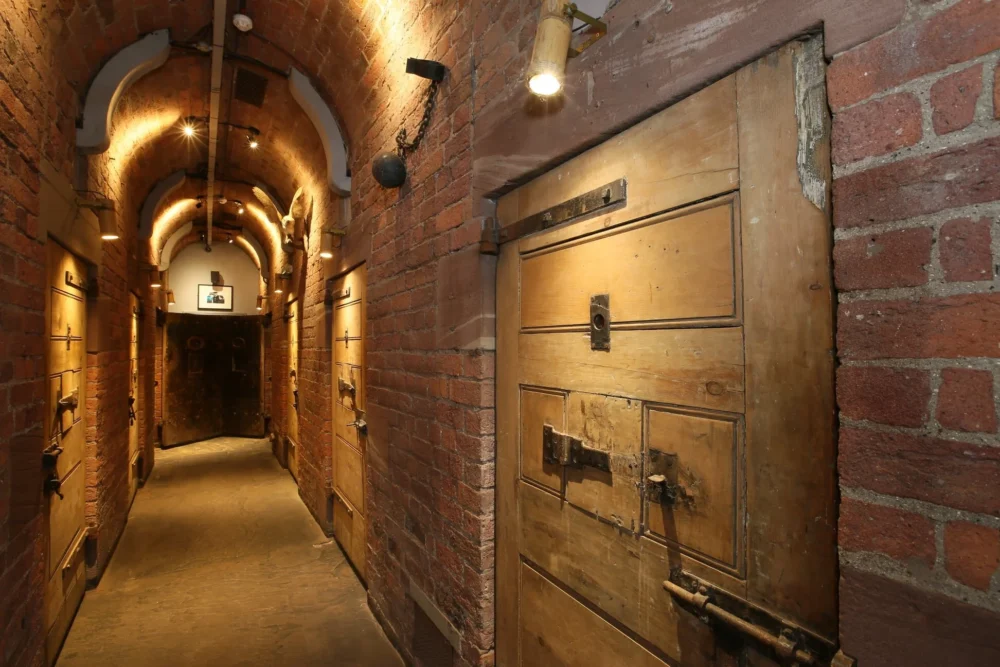
Now: A popular Liverpool pub
Then: Victorian police station and jail
The Bridewell on Campbell Square opened in 1856 as a police station and lock-up prison, with tiny barred cells used to detain suspects before court appearances.
Many of those original cells are now private drinking booths. Along with stories of Charles Dickens serving as a special constable, it’s one of the most intriguing places to grab a pint in Liverpool.
Find out more here.
The Tempest
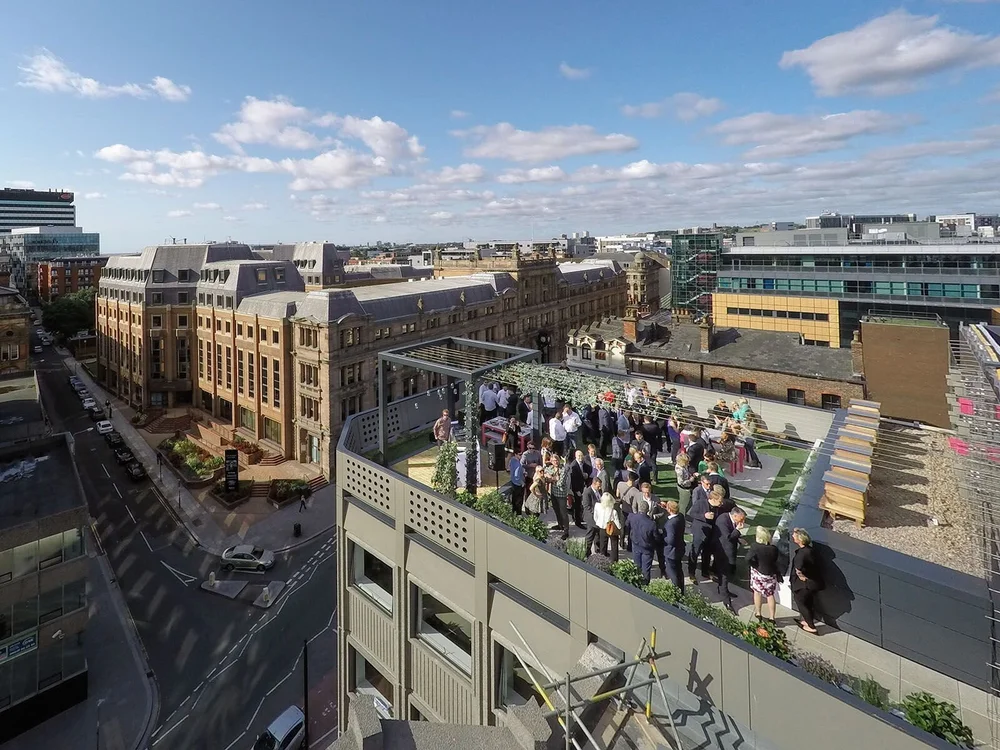
Now: Bar and restaurant
Then: Insurance company headquarters
The Tempest on Tithebarn Street occupies a building that once served as the Liverpool headquarters of marine insurance specialists, Tempest Insurance Company. Like many buildings in this part of town, it formed part of the city’s financial district, serving Liverpool’s global shipping industry.
Now known for beer, burgers, and brunches, the venue kept the original name as a nod to its past.
Find out more here.
The Old Bank
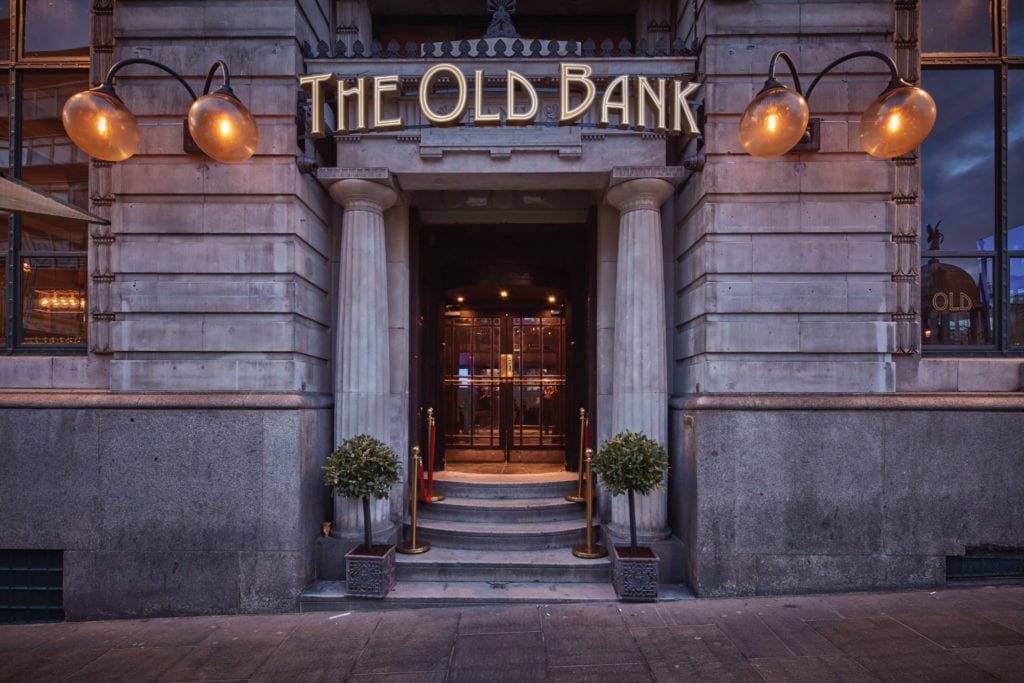
Now: Gastropub
Then: Merchant Bank
The imposing neoclassical building on James Street was another from the days when Liverpool’s financial district was booming. The National Bank, built around 1920, later became the The First National Wine Bar, before city operators Pub Invest Group restored it to its former glory in 2018.
The Old Bank’s heigh-ceilinged hall – where merchants once handled international trade finance – is now the main bar area at this bustling gastropub.
Find out more here.
Metquarter
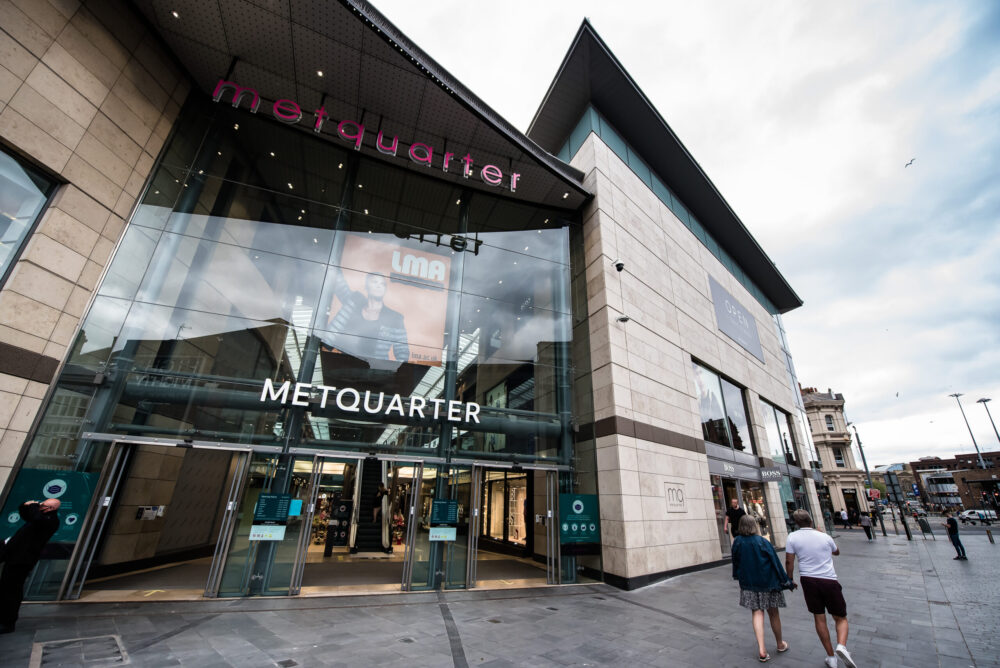
Now: Shopping centre, cinema, and media academy
Then: Post Office headquarters
The Metquarter occupies the former Liverpool General Post Office, built in the late 19th century. For decades, this was the main site of Liverpool’s postal system, sorting mail arriving through one of the world’s busiest ports.
The building closed as a post office in the late 1990s and reopened as the Metquarter shopping centre in 2006. It now houses boutiques, restaurants, Everyman Cinema, and Liverpool Media Academy.
Find out more here.
Barnacle
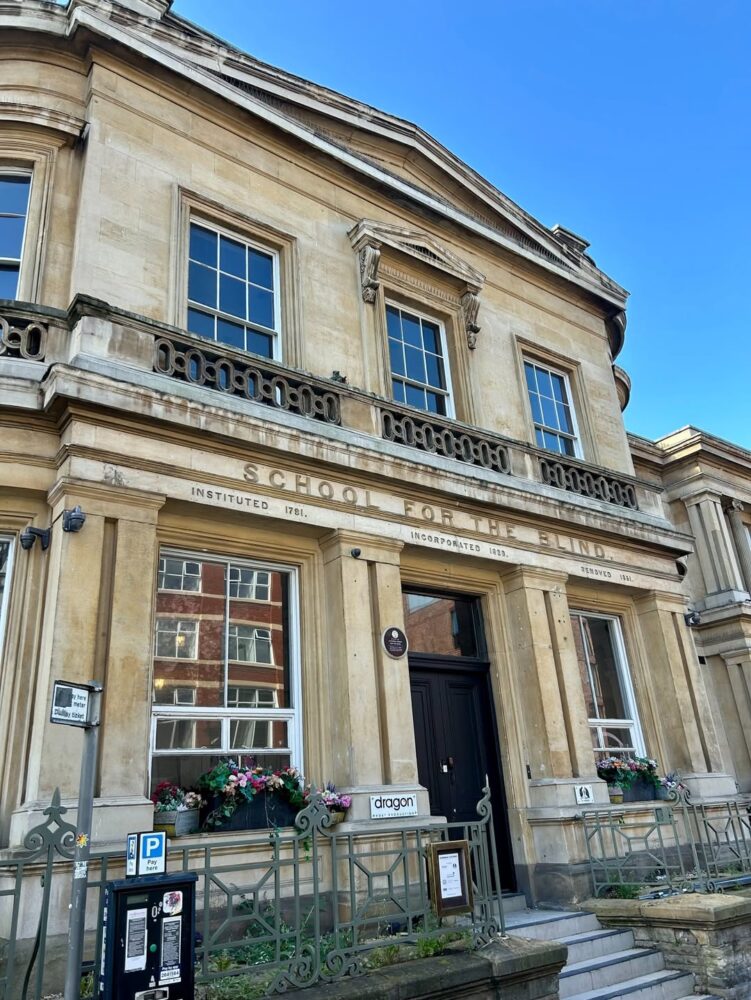
Credit: Barnacle
Now: Restaurant and bar
Then: School for blind children
The Royal School for the Blind in Liverpool, founded in 1791, was the first school for the blind in Britain and the second in the world. Originally on Commutation Row, the school moved to Hardman Street in 1851.
The historic building was restored and reopened in 2017 as The Florist, before Harry and Paul Askew launched gastronomic brasserie Barnacle on the site in October 2025.
Find out more here.
Find out more about Liverpool’s facinating history on our website.
Find out what’s good up North on our new platform, The Northern Guide.
From the best hotels, beauty spots, days out, food and more up North – visit thenorthernguide.com and follow The Northern Guide on Instagram HERE.

The Guide Liverpool Editorial Team
The Guide Liverpool proudly shares regular stories from in and around Liverpool. From the latest news, to the best what’s on listings. Our editorial team is made up of trained journalists and media professionals, meaning you will never miss a moment from the city region.

 Subscribe
 Follow Us
 Follow Us
 Follow Us
 Follow Us