Visit our new platform The Northern Guide



Music
Why Africa Oye’s only chance of survival was to stop being free
2 months ago
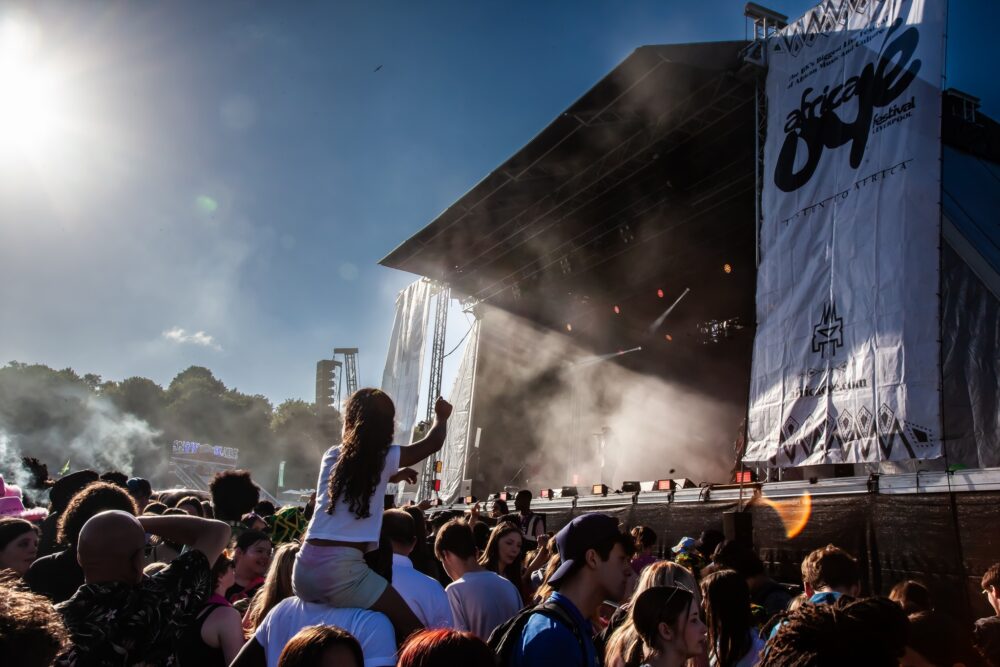
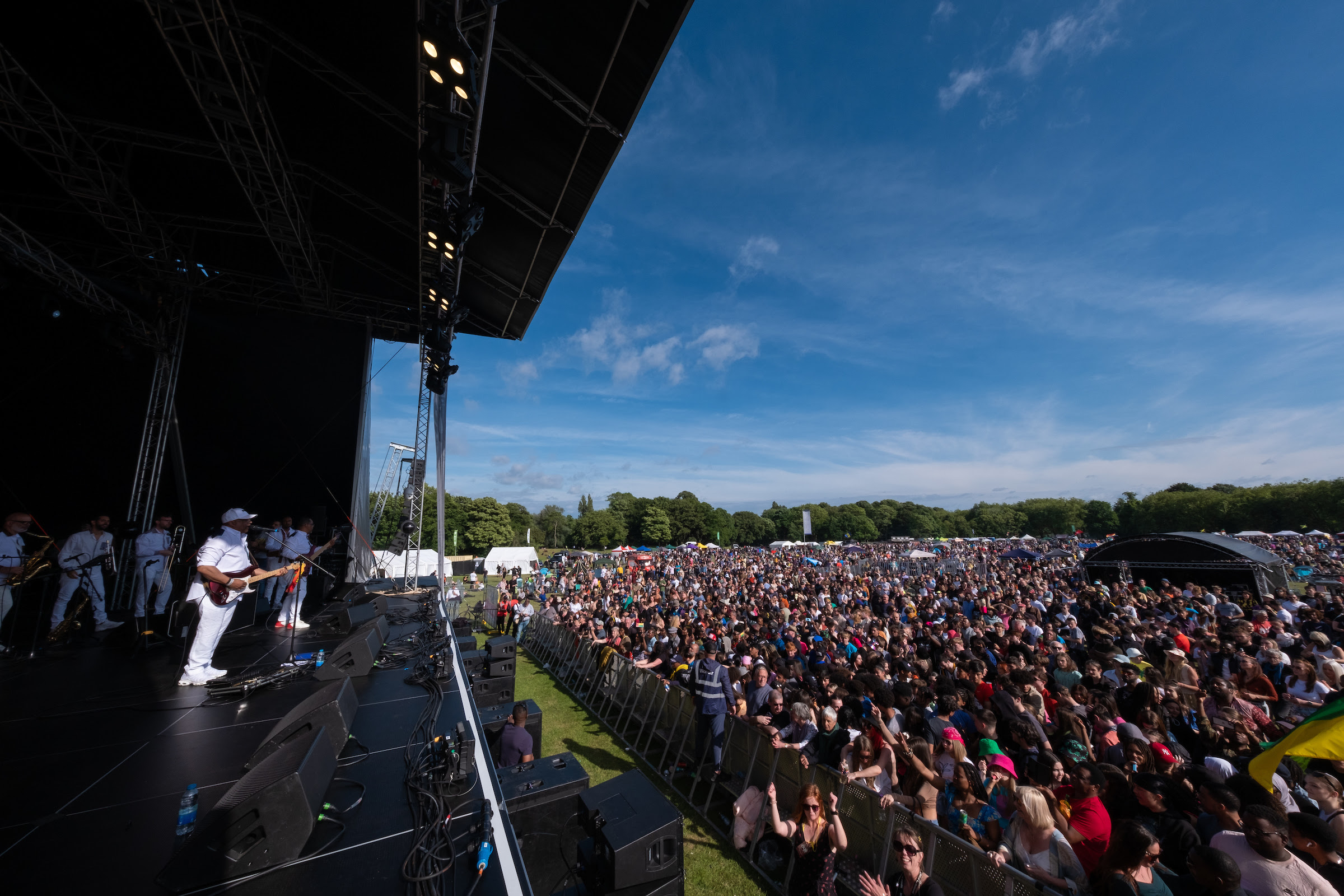
This year’s Africa Oyé in Sefton Park won’t be free for the first time in its history, but Artistic Director Paul Duhaney says the economic reality of an ever-growing festival meant it was its only chance of survival.
He’s pledged to keep ticket prices low for Liverpool residents and to give away thousands through local community organisations.
He explained:
“I understand that people don’t want to have to pay for something’s that always been free, but we’ve done it in the cheapest way we can and you have to look at the reasons,”
“We want people to understand why we’ve had to charge because this isn’t about money-grabbing. We’re a non-profit organisation, we’re a registered charity, so if we do make a profit it goes back into next year.
“There was just a tipping point where it was either ticketed or no festival at all and we’d rather give it a shot and try and make as many concessions as we can.”
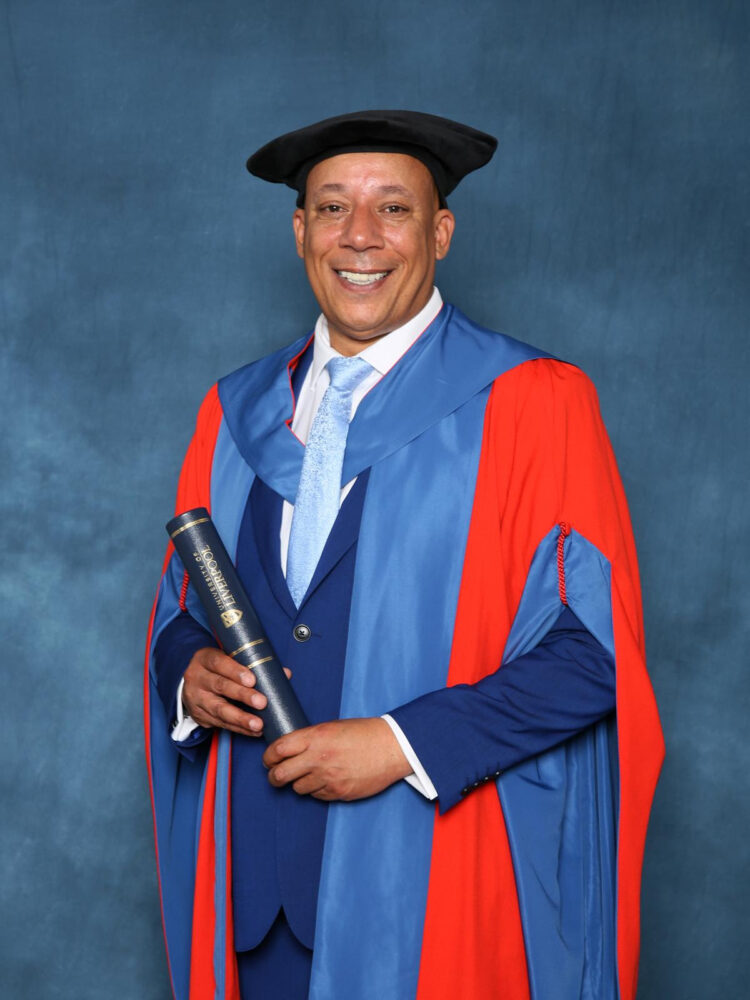
Paul, who’s been with Africa Oyé since the late ‘90s, says he always wanted to preserve its free status.
“I’ve probably done about 5,000 interviews where I’ve said, ‘we have to keep this festival free’. There couldn’t be anyone more determined than me and we wouldn’t be where we are if we hadn’t fought to keep it free all these years.
“But times have changed, the cost of everything increases every year, and we just couldn’t afford it anymore.
“In the last 10 years our audience numbers have been going up and up and with that you get new licensing conditions. Over a certain capacity the rules change and prices go up – you have to have a set amount of toilets, security, traffic management, safety measures, all this in addition to paying for the artists, the staging, and the sound.
“The list of things we have to pay for goes into the hundreds.
“We get a certain amount of money from the Arts Council, and a bit from the city council, but combined that was nowhere near enough to support the festival. We had to basically find another 50% from things like sponsorship and fundraising, to try and bring additional money in, but it still wasn’t enough.
“So we had to take a year out and come up with a new business plan and a new strategy to keep the festival going.”
Paul says the first step was to work out how to make the transition as painless as it could be, especially for local festivalgoers and residents.
“We worked out how many tickets we could give out free, how many at a reduced rate for residents and then concentrated on higher ticket prices for people living outside the region.
“We’ll still be allowing people freedom of movement, if they want to come with their children in the afternoon then the parents come back later on.
“And we’re working on how we can allow people to bring in a small amount of food, maybe a picnic, and also making sure all the food traders have an affordable meal option.
“We’re upping our artistic programme – we’ve already announced Patoranking who’s one of the biggest artists in African music – and we’re increasing our family zone to create more entertainment for younger children.
“We’ll have to have a fence around the site to mitigate as much risk as we can, it’s about keeping people safe, but we’ll get that up and down as quickly as possible.”
As the UK’s largest celebration of African music and culture moves into a new era, Paul hopes its fans will appreciate why a tough decision had to be made.
“We have been victims of our own success, the bigger the event the bigger the costs, but if we can manage to keep the prices around where they are this year I think people will be happy with that.”
Africa Oyé 2026 is in Sefton Park on June 20 & 21. £6 early bird tickets which went on sale in October have all gone now, but tickets for Liverpool residents priced £11 are still on sale. Children under 12 get free entry with a paying adult and there’s a discount for groups of four people.
Book your tickets on the Africa Oye website.
Find more music events across Liverpool on our calendar.
Find out what’s good up North on our new platform, The Northern Guide.
From the best hotels, beauty spots, days out, food and more up North – visit thenorthernguide.com and follow The Northern Guide on Instagram HERE.

The Guide Liverpool Editorial Team
The Guide Liverpool proudly shares regular stories from in and around Liverpool. From the latest news, to the best what’s on listings. Our editorial team is made up of trained journalists and media professionals, meaning you will never miss a moment from the city region.

 Subscribe
 Follow Us
 Follow Us
 Follow Us
 Follow Us