Visit our new platform The Northern Guide



Community
Woolton Picture House plays host to a Christmas Eve proposal, and she said yes!
3 months ago
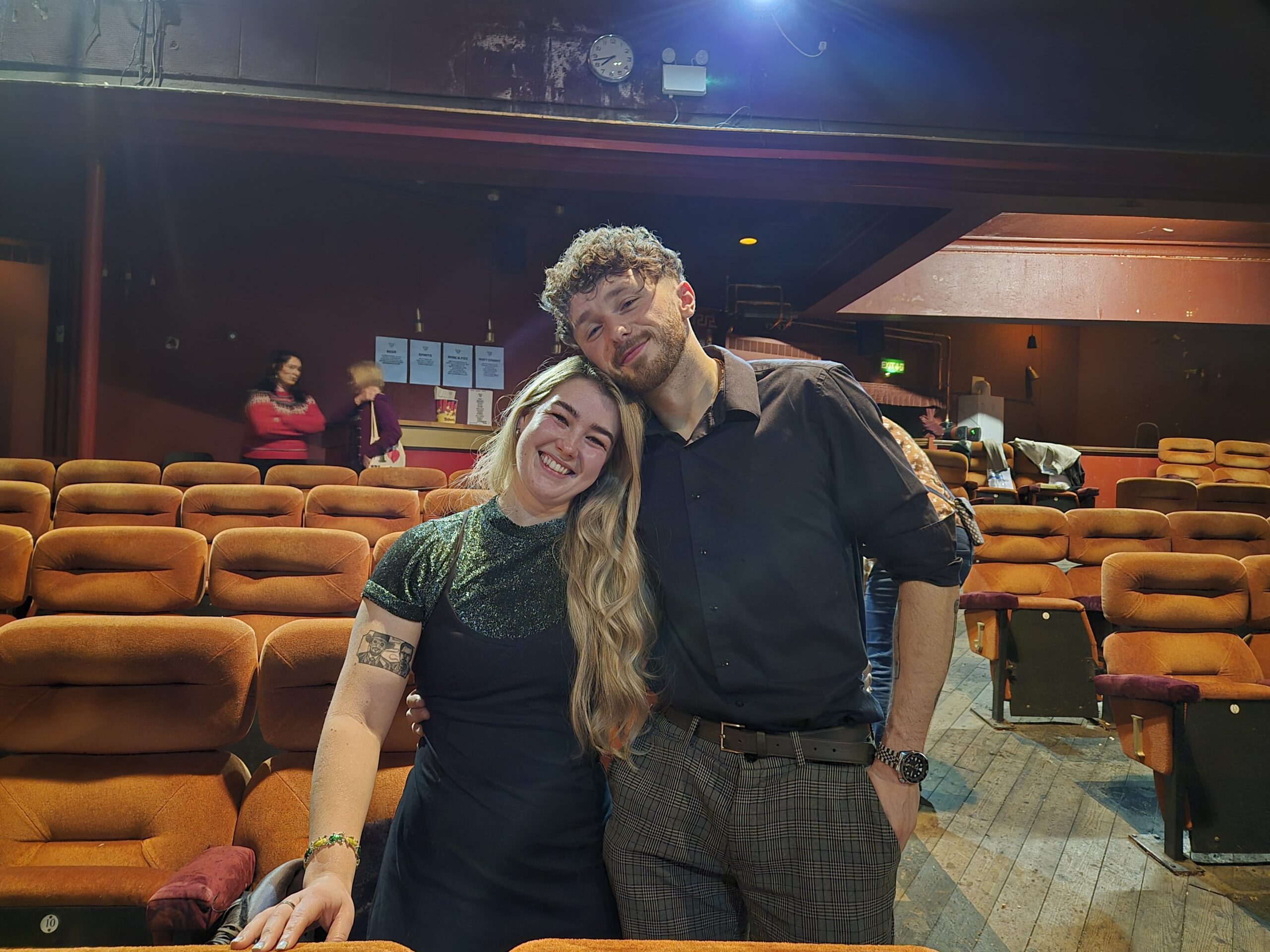
Liverpool’s historic Woolton Picture House has played host to countless love stories over its near-century history – and this Christmas Eve, it became the backdrop for another unforgettable moment.
Local residents Jacob Molloy and his partner Lucy got engaged during a festive screening of It’s a Wonderful Life, marking a full-circle moment for the couple, whose first ever date took place at the Woolton Picture House 10 years ago.
In a heartfelt tribute to cinema and romance, Jacob worked closely with the Woolton Picture House team to plan a surprise proposal inspired by the iconic “cards on the doorstep” scene from Love Actually. As the Christmas Eve audience gathered inside John Lennon’s childhood cinema Jacob revealed a series of handwritten cards, leading to the emotional moment where he asked Lucy to marry him.
The proposal unfolded during one of the cinema’s special festive screenings, with fellow audience members witnessing the couple’s joyful “yes” in what has since been described as a truly magical moment.
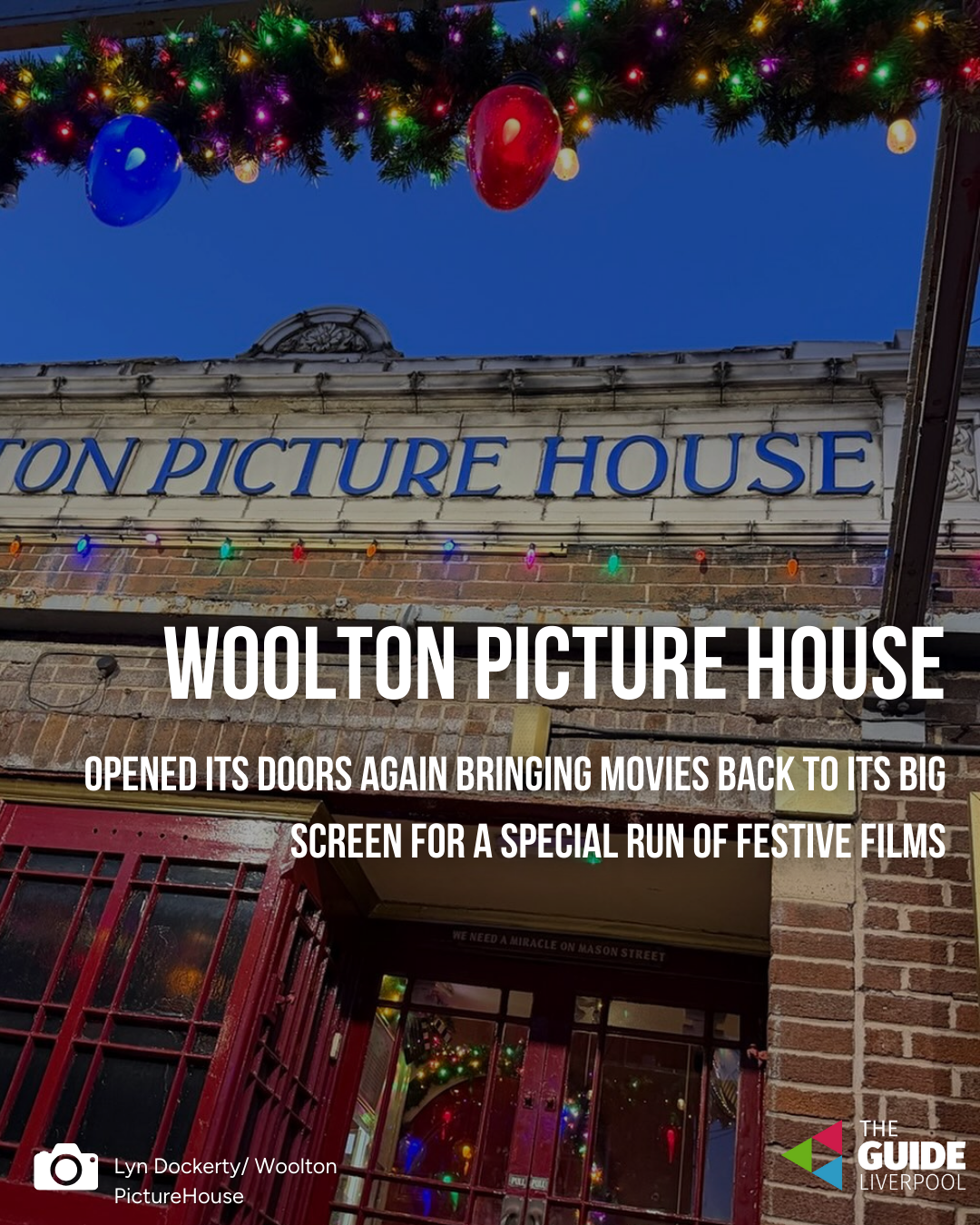
The engagement took place during the Picture House’s 12 days of Christmas fundraising screenings, which saw the historic venue reopen its doors over the festive period. The limited run welcomed more than 7,000 ticket-holders, with many more supporters donating online to help secure the cinema’s future.
The festive reopening forms part of an ongoing campaign to raise £700,000 to purchase Woolton Picture House and restore it to its former glory as a community-owned cultural venue, hosting films, live performances and local events for generations to come.
Built in 1927, Woolton Picture House is Liverpool’s oldest surviving cinema and the city’s only remaining single-screen picture house. For Jacob and Lucy – and thousands of others – it remains a place where memories are made, stories are shared, and now, lives are changed.
As the community rallies to save the cinema, their love story stands as a reminder of why the building matters – not just as a historic landmark, but as a living, breathing part of local life.



 Subscribe
 Follow Us
 Follow Us
 Follow Us
 Follow Us
 Follow Us