The full Africa Oyé lineup has been revealed



NHS
Mobile cancer treatment units for children set to roll out across North West in UK first
3 months ago
A brand new, one of a kind cancer treatment service for children promises to help hundreds of families across the North West.
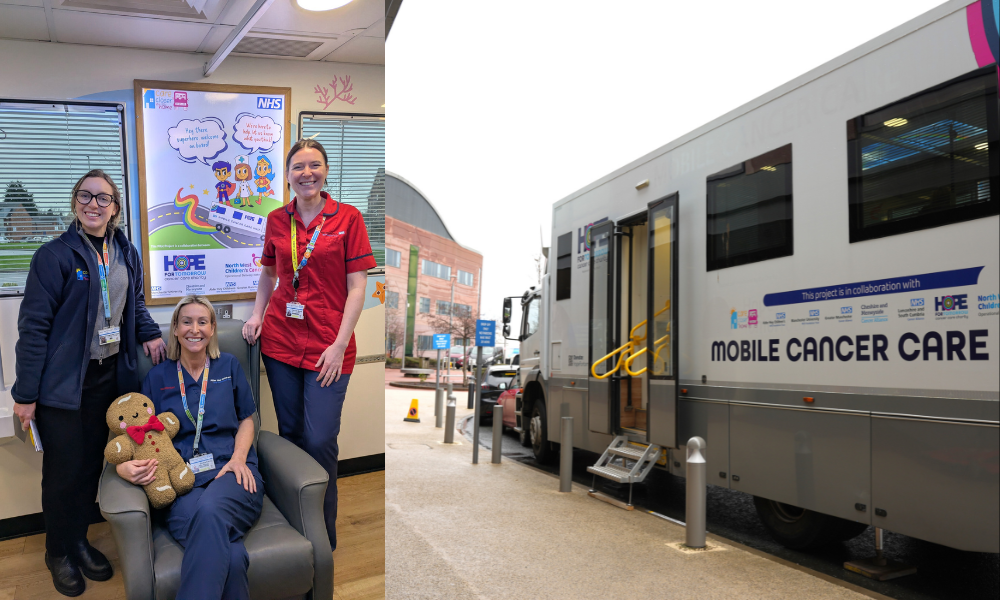
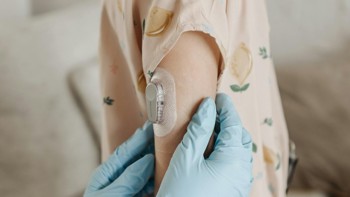
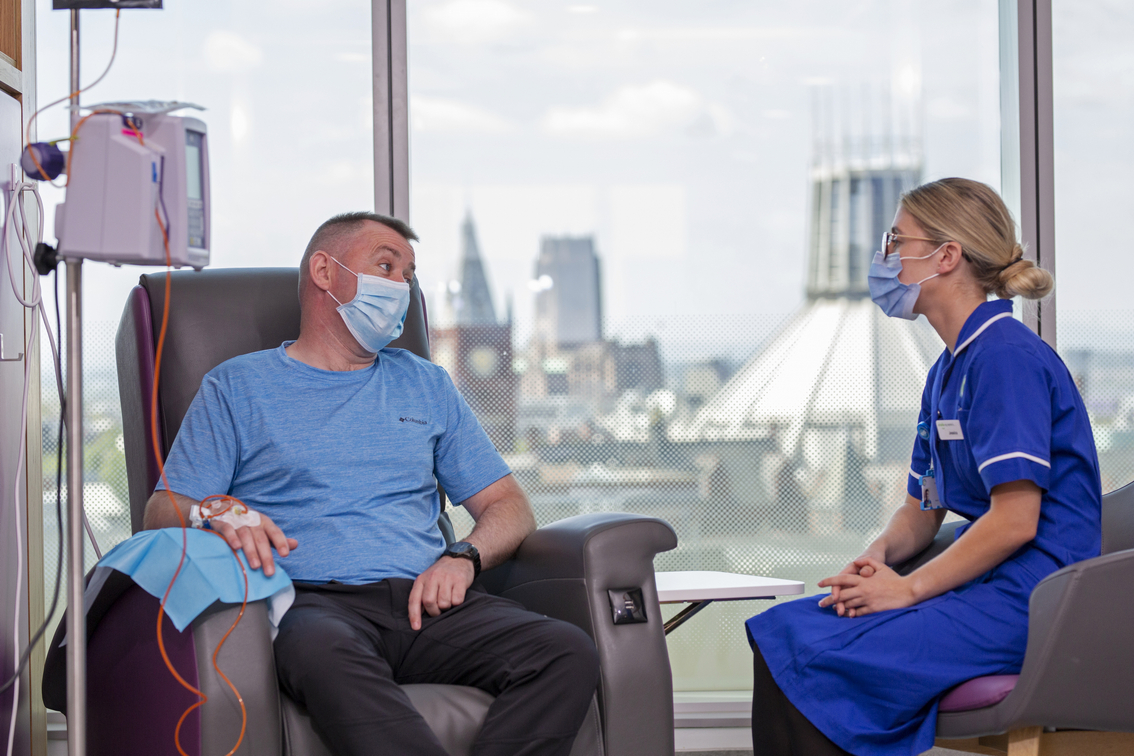
A specially designed mobile cancer care unit will deliver chemotherapy and other treatments to children and young people in communities across the region. The service aims to transform how patients receive cancer treatment, reducing long journeys and time spent away from home, school, and family life.
The service is the first of its kind in the country and is being trialled as a pilot project led by the North West Children’s Cancer Operational Delivery Network (NWCCODN) and in a partnership with charity Hope For Tomorrow, Alder Hey Children’s NHS Foundation Trust and Royal Manchester Children’s Hospital (RMCH), Manchester NHS Foundation Trust (MFT) and the region’s cancer alliances.
Hope For Tomorrow already operates mobile units for adult cancer care nationwide, but this is the first time a unit has been created specifically for children and young people, delivering treatments usually carried out in hospital day case clinics.
Each year, around 600 children undergo cancer treatment in the North West, with many facing significant travel demands due to the limited number of specialist centres. Families routinely make round trips of more than 50 miles, at an average cost of £245 per month, placing considerable financial and emotional pressure on those already navigating cancer care. The mobile service is designed to ease these burdens by delivering treatments closer to where families live.
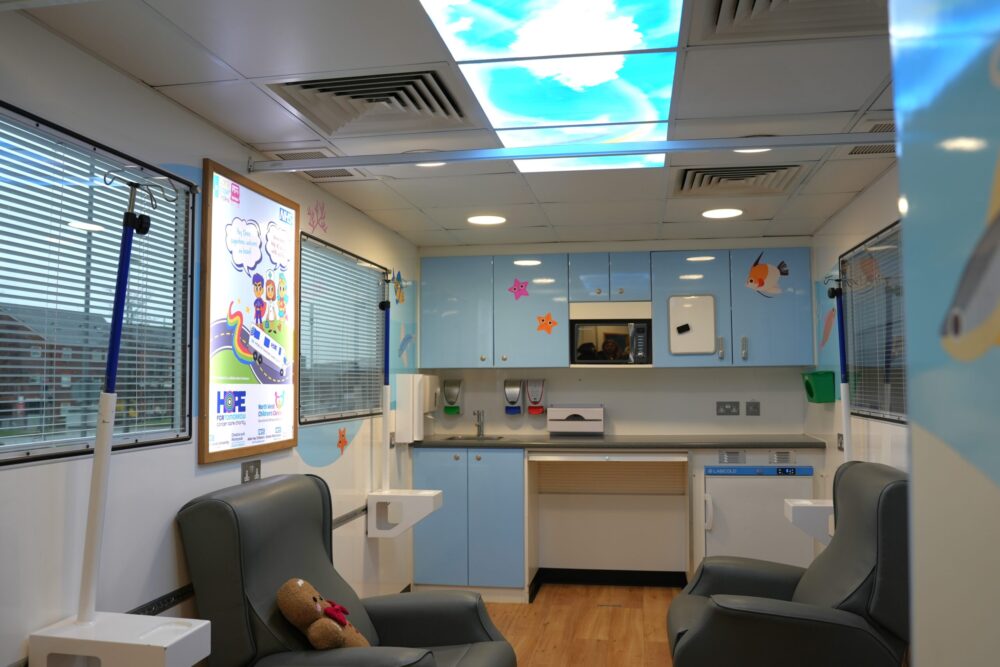
The Care Closer to Home service will be operated by Alder Hey Children’s NHS Foundation Trust, Royal Manchester Children’s Hospital and Manchester University NHS Foundation Trust (MFT), eventually giving coverage across the whole of the North West and North Wales. The unit will park at convenient, safe locations across the region – including supermarkets and garden centres – to ensure families can access treatment easily.
The three North West cancer alliances, Greater Manchester, Cheshire and Merseyside, and Lancashire and South Cumbria – have helped to fund the project.
Nurses from Alder Hey and Royal Manchester Children’s Hospital will staff the unit, bringing their extensive expertise from paediatric oncology services, following thorough training and orientation, to work safely and effectively in community-based environments. Alder Hey nurses have already been delivering treatments in patients’ homes on a limited basis since November. The unit will start delivering treatment across the region in the coming months.
The impact of the pilot will be evaluated throughout the programme, with findings reported to funders and regional leaders responsible for children’s cancer care. If successful, the model could pave the way for a permanent service.
Davina Hartley, Network Manager for the NWCCODN, said:
“The NWCCODN are proud to lead this innovative Care Closer to Home project, which aims to reduce the travel burden for children with cancer and their families, improve equity of access, and address long waits at Paediatric Treatment Centre Day Case Units, issues identified by children themselves as critical to improving their care experience.”
Jon Hayes, Managing Director of Cheshire and Merseyside Cancer Alliance, said:
“We’re proud to fund and support this innovative pilot. It demonstrates the power of collaboration across NHS partners in improving children’s cancer care, safety, and experience. This shows how high-quality treatment can be delivered closer to home.”
Tina Seymour, Chief Executive at Hope For Tomorrow, said:
“Hope For Tomorrow have been bringing cancer care closer to patients in their communities for two decades. Our mobile cancer care units help patients fit cancer care into their lives rather than having their lives dominated by it. Now we are excited be a part of this project and to explore the impact that this could have for children, young people and their families.”
Dr Lisa Howell, Paediatric Oncologist and Lead Cancer Clinician at Alder Hey Children’s NHS Foundation Trust, said:
“We know that frequent hospital visits can be hugely disruptive for children and families, impacting school, work and home life. By safely bringing elements of care into the community, we’re helping to ease that burden while maintaining the same high standards of safety and support families would receive in hospital. This is about improving quality of life as well as clinical outcomes.”

 Subscribe
 Follow Us
 Follow Us
 Follow Us
 Follow Us
 Follow Us