Save money on train tickets with the Avanti West Coast Summer Sale 🚄




Good News
A five-year-old girl left unable to walk by rare condition is dancing again thanks to Alder Hey research trial
2 months ago
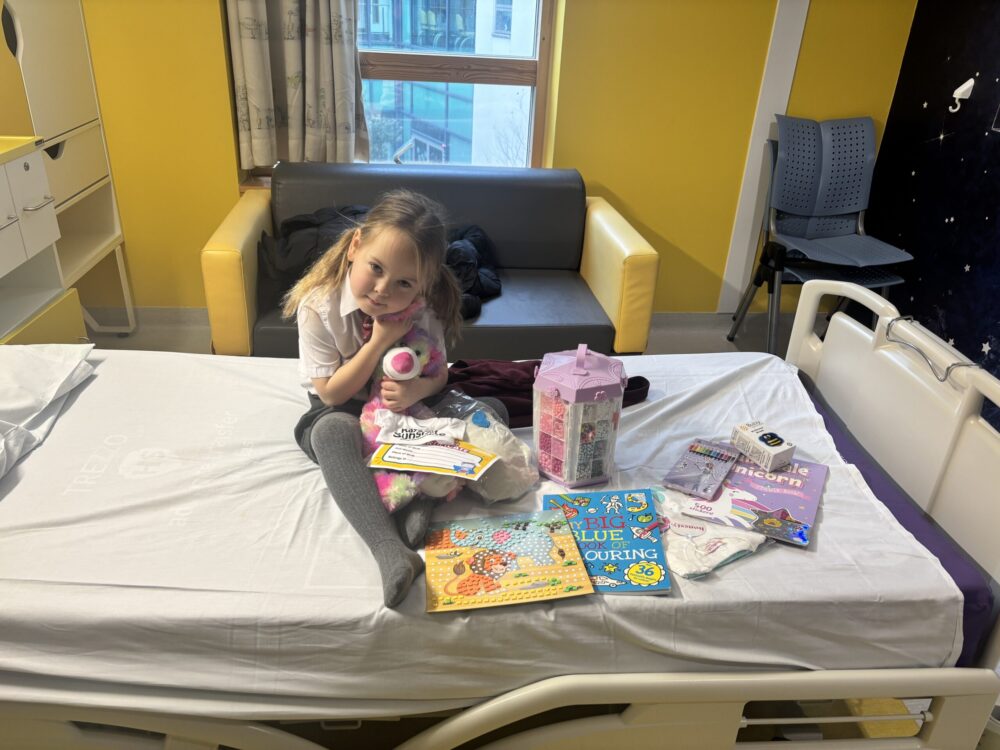
A five-year-old girl who was left struggling to walk or get out of bed is now dancing again after taking part in a research trial at Alder Hey that could change the way children like her are treated.
Harriet Pendlebury from Prenton was diagnosed with a rare form of Juvenile Idiopathic Arthritis (JIA) that left her in agony and transformed her from an active little girl to one who needed to be carried around and could no longer do all the things she enjoyed almost overnight.
The crippling condition had taken hold of 21 of her joints!
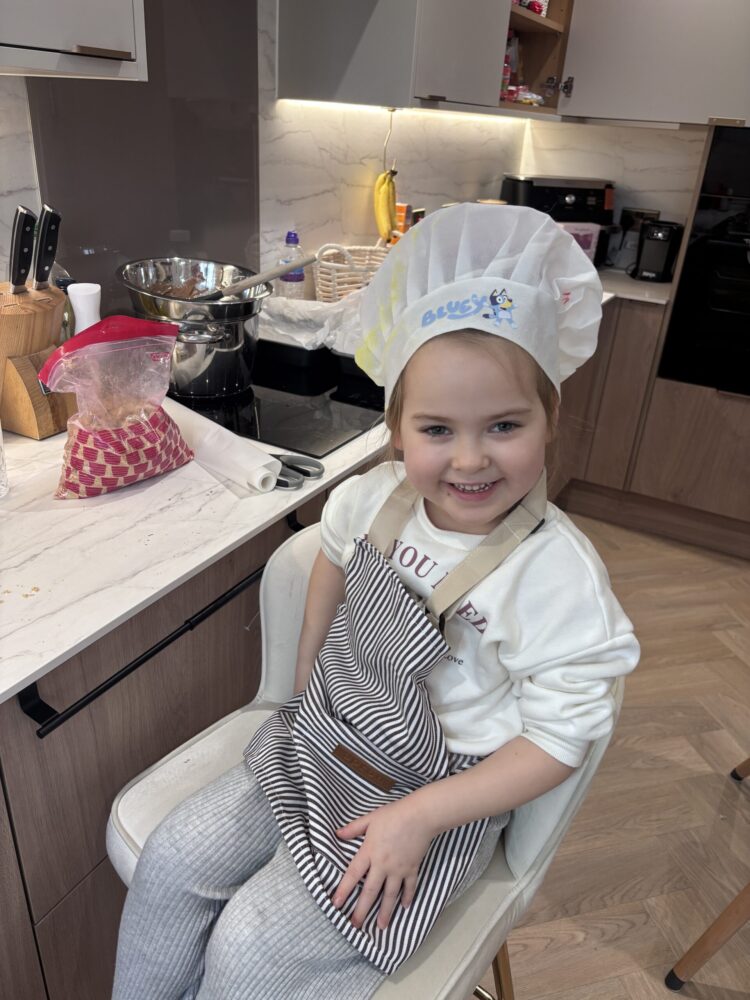
Harriet’s mum, Christie, said:
“My beautiful, bouncy little girl couldn’t get herself out of bed or move around without extreme pain,”
🚄
Heading to London this summer?
Save money with the Avanti West Coast Summer Sale. Book now and snap up the best fares before they're gone.
Book now and save →“It was absolutely horrific.”
“She couldn’t dance or swim, and she stopped being able to play with friends.”
But now, halfway through the pioneering trial at the Liverpool children’s hospital, Harriet is back to doing all the things she loves like playing princess dress-up and dancing, swimming and cycling – she’s even learned how to ride a scooter.
Christie smiles:
“Harriet has always thrown herself into life with an infectious energy that makes everyone around her smile.”
“And the sparkle that she always left wherever she went is back.”
The family’s nightmare began in September last year when Harriet started to have difficulty walking and her health began to decline rapidly.
One day began as normal with Harriet going to school and taking part in a Forest School session, and then suddenly becoming unable to bear weight on her right knee.
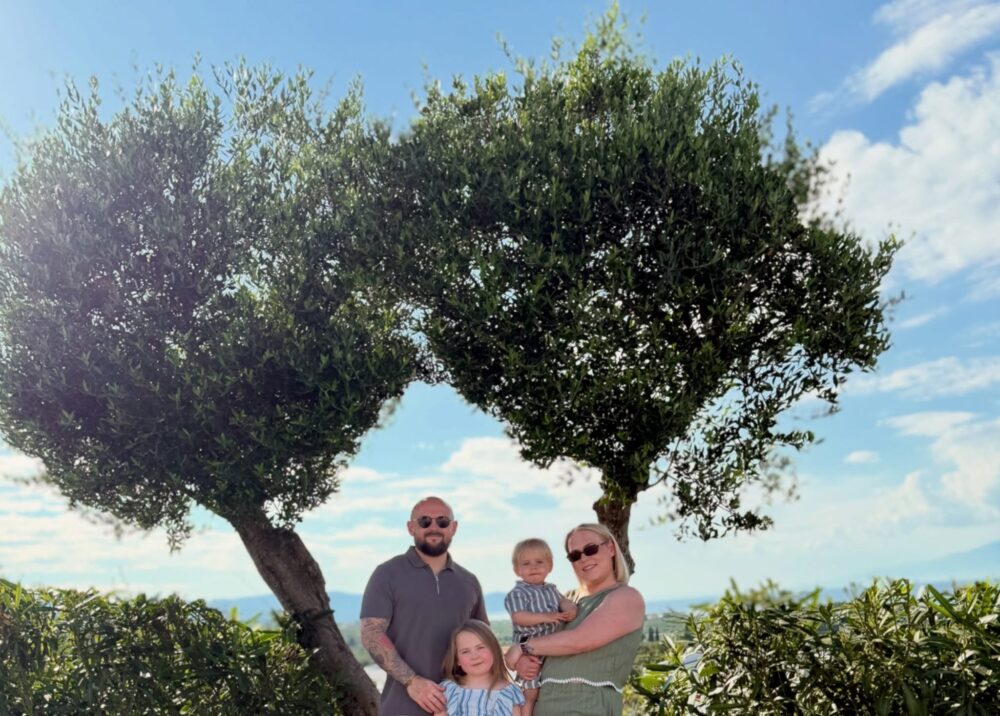
Christie, who’s married to craft fitter Jamie with whom she also has 19-month-old Luca, explained:
“We took her to the GP who asked about bruises and was obviously thinking about leukaemia because of the joint pain,”
“They thought it was muscular but told us to keep an eye on it and take her to A&E if we noticed any swelling or it got worse. And it did.”
Christie and Jamie took Harriet to Arrowe Park where initial blood tests and X-rays failed to provide a clear explanation for her symptoms, and the family were advised to monitor her while further investigations took place.
Over the following weeks, Harriet’s symptoms continued to worsen and spread beyond her knee. The pain increased becoming so severe that her teachers had to carry her around in school, and Harriet began to have difficulty regulating her temperature.
Harriet’s family were back and forth to hospital – ‘I lost count of how many times’ – during which time their little girl suffered raging temperatures, lost weight and stopped eating as her young body fought to deal with the pain and doctors worked to understand the cause of her condition which can often be difficult to diagnose in the early stages.
During what became their final visit to A&E mid-November, Harriet was admitted to hospital with high blood pressure, a high heart rate and an elevated temperature but while Juvenile Idiopathic Arthritis (JIA) had been considered as a cause a formal diagnosis had not been made.
She was referred to the rheumatology team at Alder Hey – and within minutes diagnosed with JIA and kept in because of the severity of her symptoms.
It was then Christie and Jamie were asked about the possibility of taking part in the STAR-JIA study which could change the way children with the condition are treated across the UK.
Steroids and other medications are the most common treatment but there’s currently limited evidence as to whether steroids given by a drip are as effective as steroids taken by mouth.
The research trial Harriet is taking part in directly compares the two, measuring disease activity using the Juvenile Arthritis Disease Activity Score (JADAS10) at the start of the trial and again after six weeks.
The findings will help doctors make more informed decisions about how to treat children with JIA in the future.

Christie said:
“When we were first told Harriet had JIA there was relief because we’d feared she had leukaemia. But then instantly, there was worry about what it meant for her and her future. Would she end up in a wheelchair?
“But we were immediately reassured that there were treatments.
“It was an easy yes to the trial because there’s so little known about JIA – which affects 12,000 children and young people in the UK – and especially rheumatoid factor-positive Polyarticular JIA, the rare form that Harriet suffers from.
“We want to do everything we can to prevent this happening to other families, and so in future a child in pain can be treated sooner and more effectively.”
Participants in the trial are assigned at random to receive either an IV steroid or oral steroid medication. Harriet began with the IV steroid drip and experienced relief almost immediately, but over the course of the first month, she was moved to oral steroids as the effects of the drip were wearing off quickly and leaving Harriet in pain.
Six months in, Harriet is now in a healthy position, taking medications weekly and fortnightly.
Christie smiled:
“What I love about Alder Hey is how the doctors and nurses talk to us as parents but to Harriet as well, reassuring her that she’d be back on her bike in no time,”
“It’s not scary because she knows that’s where she gets better.”
“Harriet loves knowing that taking part in the study will help other children like her – and that she’s helping to teach doctors about her rare condition.
“She will be on medication without pain or inflammation for at least two years before reducing it will even be considered.
Christie added:
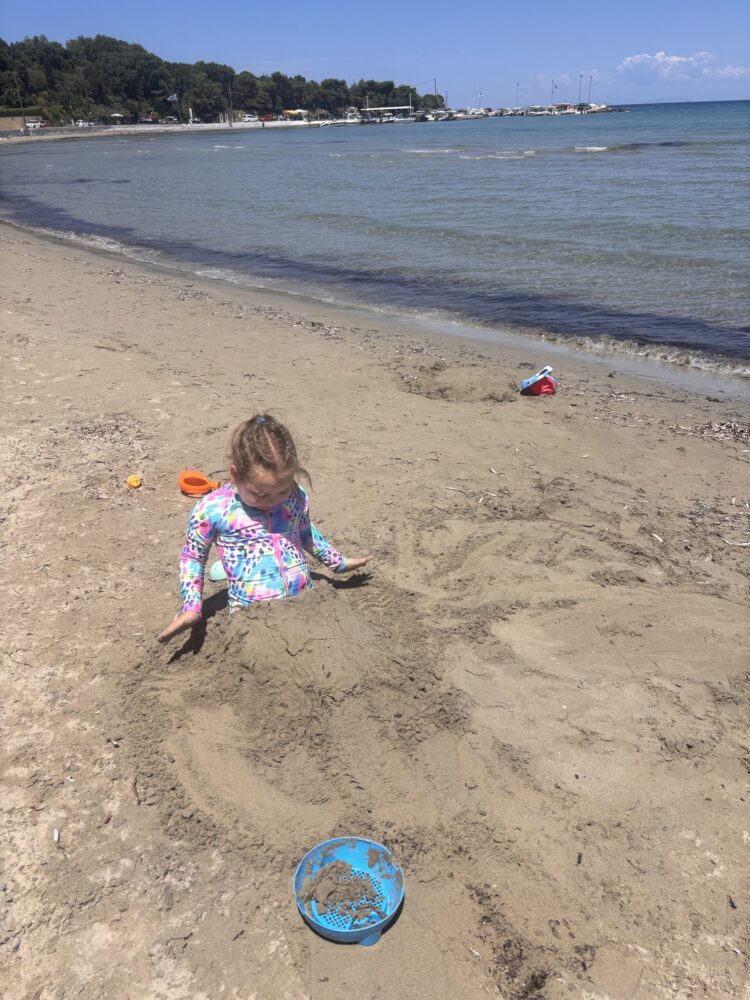
“But we’ve just come back from Greece where she was zooming down the waterslides,”
“Alder Hey has given Harriet her life back, and it has given us our smart and sassy, smiley daughter back too.”


 Subscribe
 Follow Us
 Follow Us
 Follow Us
 Follow Us
 Follow Us