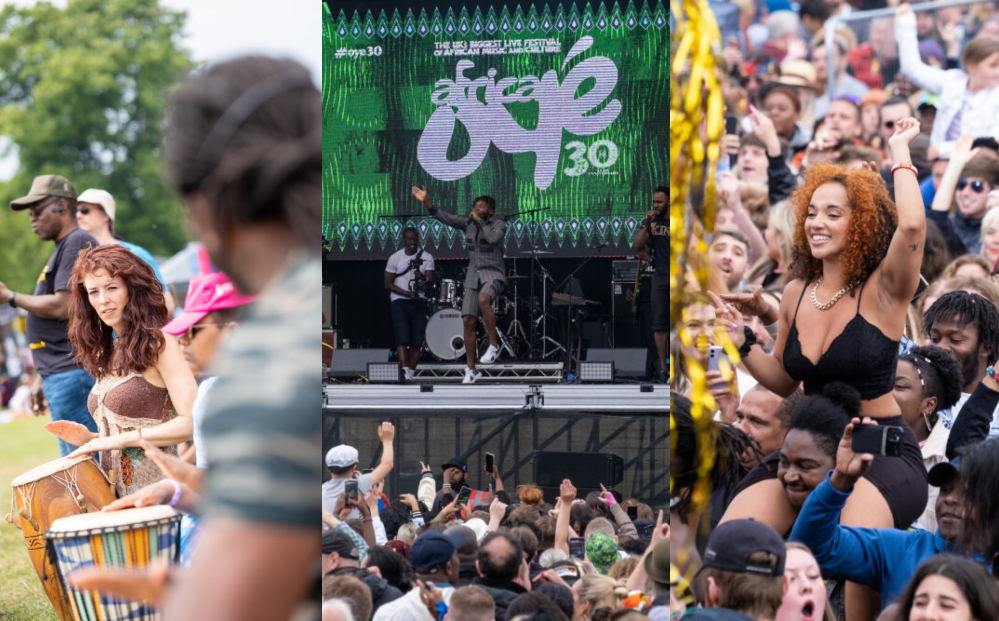
The full Africa Oyé lineup has been revealed




Features
L8 leader urges city to work together to tackle racism challenges
40 minutes ago
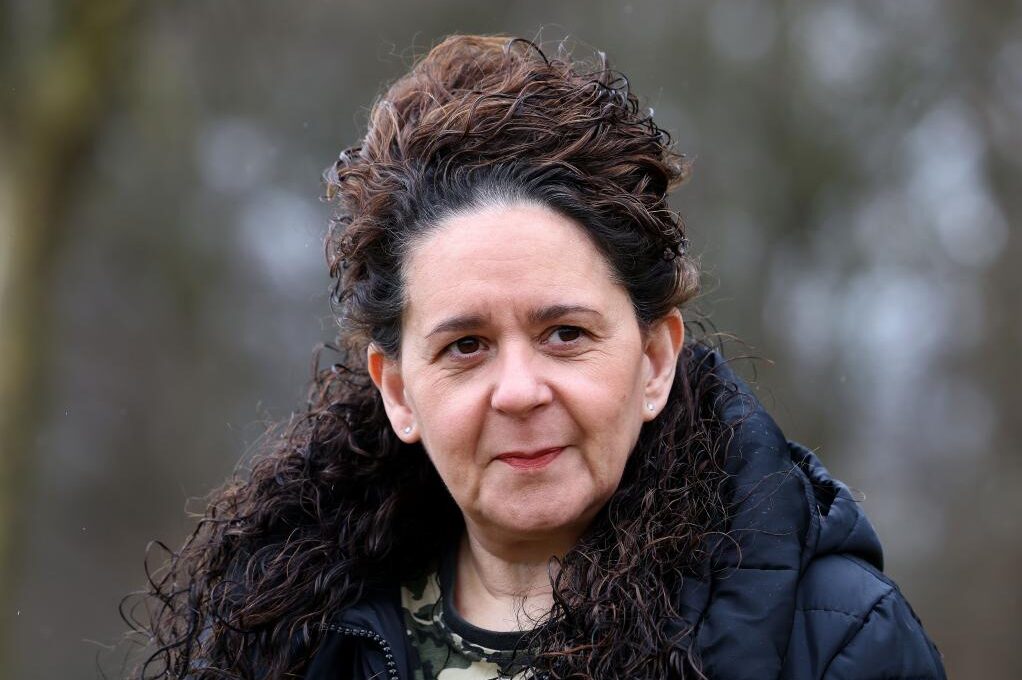
An L8 leader has called on the city council and combined authority to work with communities to create positive and lasting racism change in Liverpool.
Dr Sonia Bassey says the time is now, having just completed one of the most comprehensive studies ever into Black leadership in Liverpool at the same time Liverpool City Council and Liverpool City Region Combined Authority have launched ambitious anti-racism strategies.
Dr Bassey, who’s chair of the Mandela8 charity and former chair of the RESPECT group of National Museums Liverpool – set up in 2008 with the newly-opened International Slavery Museum to consider race equality issues, community engagement and inclusive practices – says her findings provide powerful evidence that can help ‘transform those strategies from policy commitments into meaningful structural change’.
But she adds change will only come about if everyone works together to make it happen.
She said:
“Liverpool is at a significant moment in its history. Both Liverpool City Council and the Liverpool City Region Combined Authority have launched ambitious anti-racism strategies, recognising that racism is not simply a matter of individual prejudice but embedded within systems, institutions and outcomes.
“The City Region strategy explicitly argues that anti-racism requires sustained leadership, accountability and structural reform, while Liverpool City Council has committed itself to becoming an anti-racist organisation through leadership accountability, racial literacy, fair recruitment, inclusive services and stronger partnerships with communities.
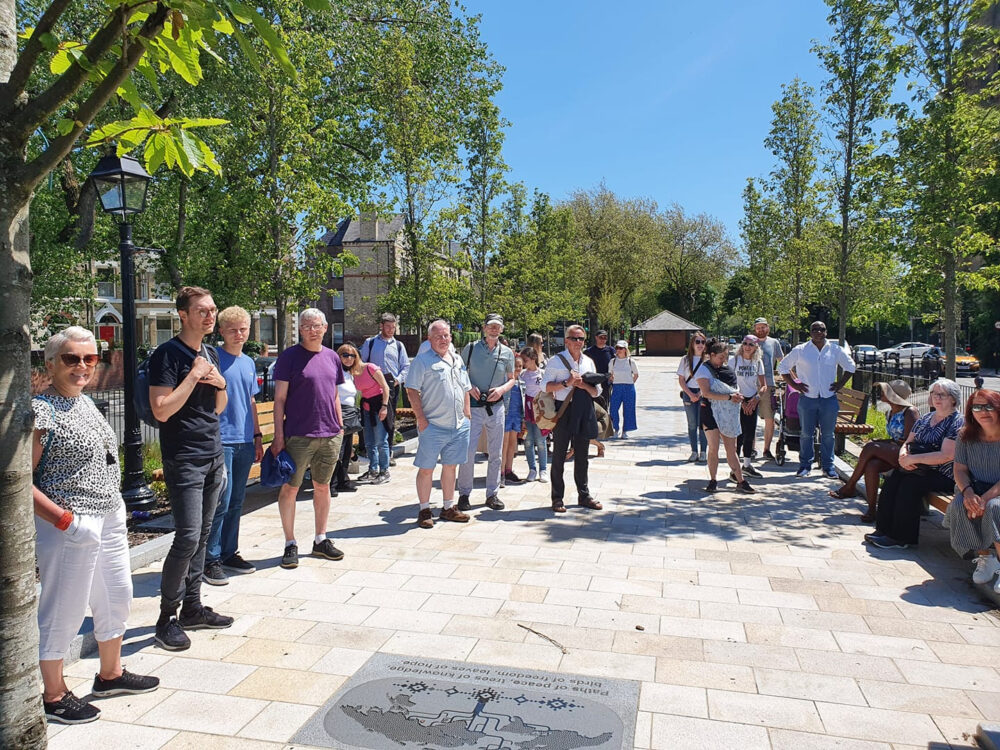
“My doctoral research is based on a 24-month ethnographic study rooted in Toxteth, home to Europe’s oldest continuous Black community, and moves beyond traditional leadership studies and centres Black leadership as it is actually experienced and practised within a community shaped by colonial history, institutional racism, activism and resistance.”
The study examined how Black leaders navigate exclusion, challenge power structures and create alternative pathways to influence through collective action, cultural stewardship and community organising.
And it can offer the answers and support, she believes, to move forward.
Sonia says:
“There are a lot of challenges with racism in the city and there have been for decades, institutional racism in particular, and so it was important for me that that was understood in the context of Liverpool and the community that sits on the outskirts of the city centre, the oldest Black community in Liverpool and in Europe, and provided a baseline for moving forward with anti-racism work.
“I’m part of that community. I grew up in that community. And all of my volunteering and work that I do, including Mandela8 and L8 Matters Community Land Trust, is part of the reason why I did the research, because it’s not the community that’s it’s portrayed as being.
“I wanted people to see that and hope that the research shines a light on some of the real successes and the way people lead.
“I started the research when we were going into lockdown and were in the middle of the Black Lives Matter movement – George Floyd had not long been murdered – and the trauma that created and the reaction around the world, and the rhetoric around wokeness and culture wars that were starting to emerge, made me think about doing something that was factual about a community in our city that’s often been overlooked, undermined and marginalised.
“While it’s been portrayed for decades as a community where there’s violence, that’s crime-ridden, that’s a no-go area – a typical media description of a Black community – I don’t know that community because that’s not the one I lived in and experienced.
“My research has never been done before and so creates a real opportunity to develop plans and continue to work towards being an anti-racist city and city region.”
Among Sonia’s key findings are that Black people are often visible within institutions but excluded from any decision-making; and that because racial inequality exists in so many areas, it makes to harder to challenge ‘but no less damaging’.
That said, despite these barriers, Black leadership in Toxteth was found to be highly resilient. Leadership emerged through community organising, collective care, cultural continuity, mentoring and grassroots activism. Leadership was often expressed not through hierarchy but through service, protection, mentoring and community building, with much to learn from that.
“We want to be in a city and area where racism doesn’t exist, and we will be a long time working towards that. But the opportunity and political will is there; the strategies are in place and the reception to those has been really positive.
“The research can inform that work, and we can work together to affect and impact that change, and that can only be good.
“The fact that the two strategies have been launched at the same time the research has come out is significant.”
Sonia goes on:
“Any action plans have got to be robust and we need to see momentum and accountability. We need to see more people representing diverse groups around the table to have different conversations and different outcomes.
“And if we get to a position where our communities and local authorities are more engaged, we can not only co-design the solutions but have more cohesive communities and better relations.
“I have reached out to both Liverpool City Council and Liverpool City Region Combined Authority as they have strong action plans – and together we can not just reduce racism but reshape relationships between institutions and communities, moving from consultation to co-production, from representation to influence, and from symbolic inclusion to structural transformation.
“If Liverpool succeeds in making that shift, it will not only honour the history of Europe’s oldest Black community it may provide a model for anti-racist leadership and governance that other cities can follow.”
Find out more about Mandela8 here.
Find the latest Liverpool news here.
Find out what’s good up North on our new platform, The Northern Guide.
From the best hotels, beauty spots, days out, food and more up North – visit thenorthernguide.com and follow The Northern Guide on Instagram HERE.

The Guide Liverpool Editorial Team
The Guide Liverpool proudly shares regular stories from in and around Liverpool. From the latest news, to the best what’s on listings. Our editorial team is made up of trained journalists and media professionals, meaning you will never miss a moment from the city region.


 Subscribe
 Follow Us
 Follow Us
 Follow Us
 Follow Us