Save money on train tickets with the Avanti West Coast Summer Sale 🚄



Liverpool News
Liverpool City Region sets out ambition to become a leader in accessible tourism
18 seconds ago
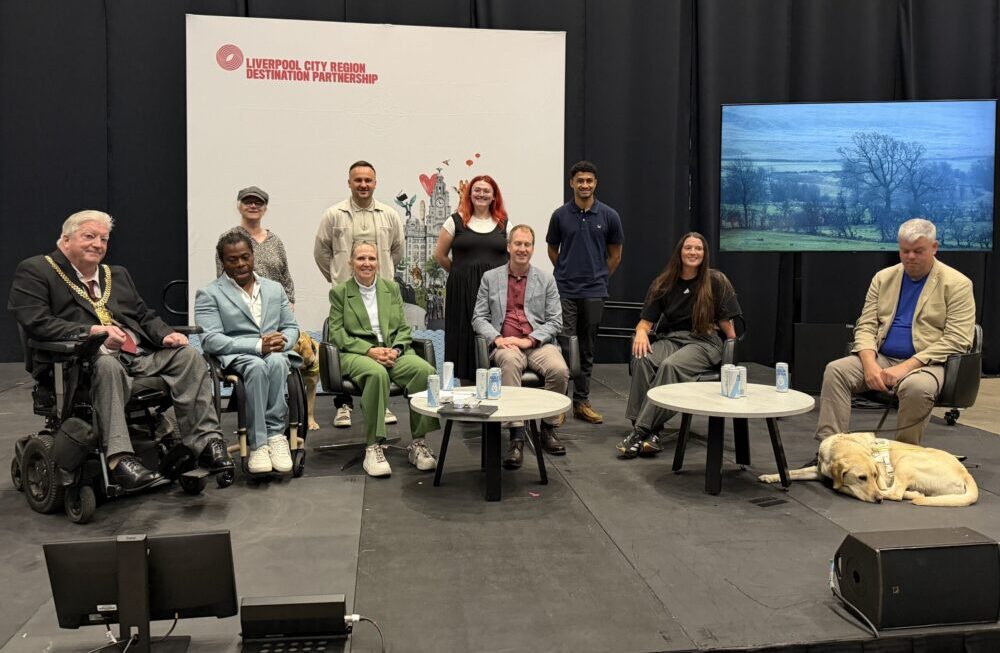
More than 200 businesses joined national accessibility experts to explore how inclusive experiences can strengthen Liverpool City Region’s tourism.
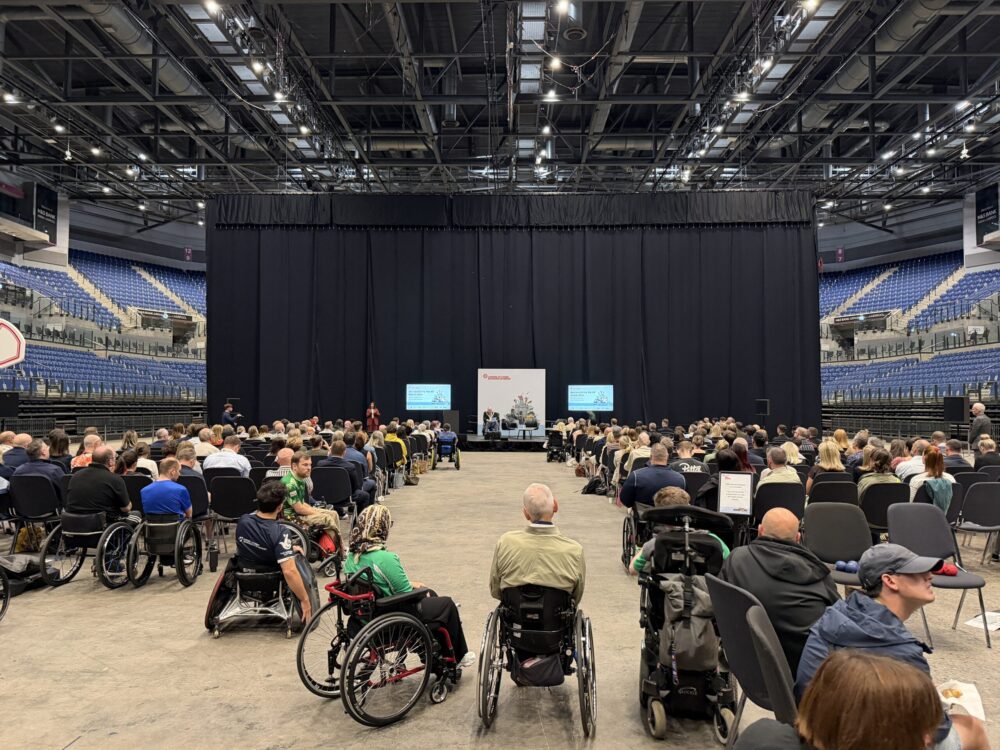
The Accessibility for All Forum, held at M&S Bank Arena Liverpool and hosted by broadcaster and Paralympic medallist Ade Adepitan MBE, brought together national leaders in tourism, accessibility, hospitality and sport to explore how inclusive visitor experiences can drive economic growth, improve customer satisfaction and help businesses prepare for a new era of major international sporting and cultural events.
Organised by LCRDP, the organisation responsible for growing Liverpool City Region’s visitor economy through destination management, industry leadership and place marketing, the event reflected a growing recognition that accessibility is no longer simply a matter of compliance, but one of the defining characteristics of successful visitor destinations.
As Liverpool City Region prepares to welcome a landmark programme of international sporting and cultural events over the coming years, including the Inclusive Sport & Culture Festival, Tour de France Grand Départ, IWBF European Wheelchair Basketball Championships 2027, and UEFA EURO 2028, LCRDP sees accessibility as one of the visitor economy’s greatest opportunities.
By becoming more inclusive, businesses can reach wider audiences, enhance their reputation, and create experiences that encourage more people to visit, stay longer, and return.
Natalie Wyatt, Managing Director, Liverpool City Region Destination Partnership, said:
“Tourism is evolving. Today’s visitors judge destinations not just by what they can see or do, but by how welcome and confident they feel from the very moment they start planning their visit. Accessibility is not a specialist consideration. It never was. It’s a defining measure of destination quality and it’s critically important.
“At Liverpool City Region Destination Partnership, we want our city region to be recognised for the strength of its welcome. That means bringing businesses together, sharing expertise and embedding accessibility into visitor experiences from the outset.
“When businesses invest in accessibility, they’re not only opening their doors to more people, they’re creating better experiences, building stronger reputations, and helping shape a visitor economy that is inclusive, resilient and fit for the future.”
Opening the forum, Ade Adepitan MBE challenged delegates to see accessibility not as an obligation, but as an opportunity to create better destinations for everyone.
Ade Adepitan MBE, said:
“People often think accessibility is about doing something extra for disabled people. I don’t see it that way. I see it as making places work better for everyone.
“Every business starts from a different place and nobody expects every barrier to disappear overnight. What matters is a willingness to keep listening, keep learning and keep improving. Sometimes the smallest changes can make the biggest difference to somebody’s experience.
“When businesses make accessibility part of the way they think, rather than something they add on at the end, they create places that are easier to use, more welcoming and more enjoyable for everyone. That’s good for visitors, it’s good for communities and it’s good for business.”
The forum also featured keynote presentations from Ross Calladine, Accessibility and Inclusion Lead at VisitEngland, and David Clarke OBE, Chief Executive of the British Paralympic Association, who shared the latest research, national insight and practical advice on how destinations can embed accessibility into the visitor experience. Delegates heard the latest evidence demonstrating the scale of the opportunity for visitor economy businesses.
Ross Calladine said:
“VisitEngland research shows the accessible tourism market contributes £14.6 billion to England’s visitor economy every year and generates more than 200 million tourism trips. Meeting the requirements of disabled visitors is a big opportunity for our industry.
But this isn’t just about economics. It’s about giving people the confidence to travel, explore and enjoy new experiences. When businesses make accessibility part of the way they welcome visitors, communicate information and deliver great service, everybody benefits.
The destinations that will succeed in the years ahead will be the ones where people feel confident, included and genuinely welcome from the moment they start planning their visit.”
David Clarke said:
“When people talk about the legacy of major events, they often think about new venues or record visitor numbers. The real legacy is much broader than that. It’s about whether those events leave behind stronger communities, more confident businesses and places that work better for everyone.
“Accessibility should never be viewed as a separate conversation. It should be part of how destinations think about quality, customer experience and long-term growth. The organisations that embrace that mindset won’t just be ready for the next major event, they’ll be better businesses every day afterwards.
“What’s encouraging is that no organisation has to do everything at once. Real progress comes from a willingness to keep improving, to learn from lived experience and to recognise that even small changes can have a lasting impact on people’s lives.”
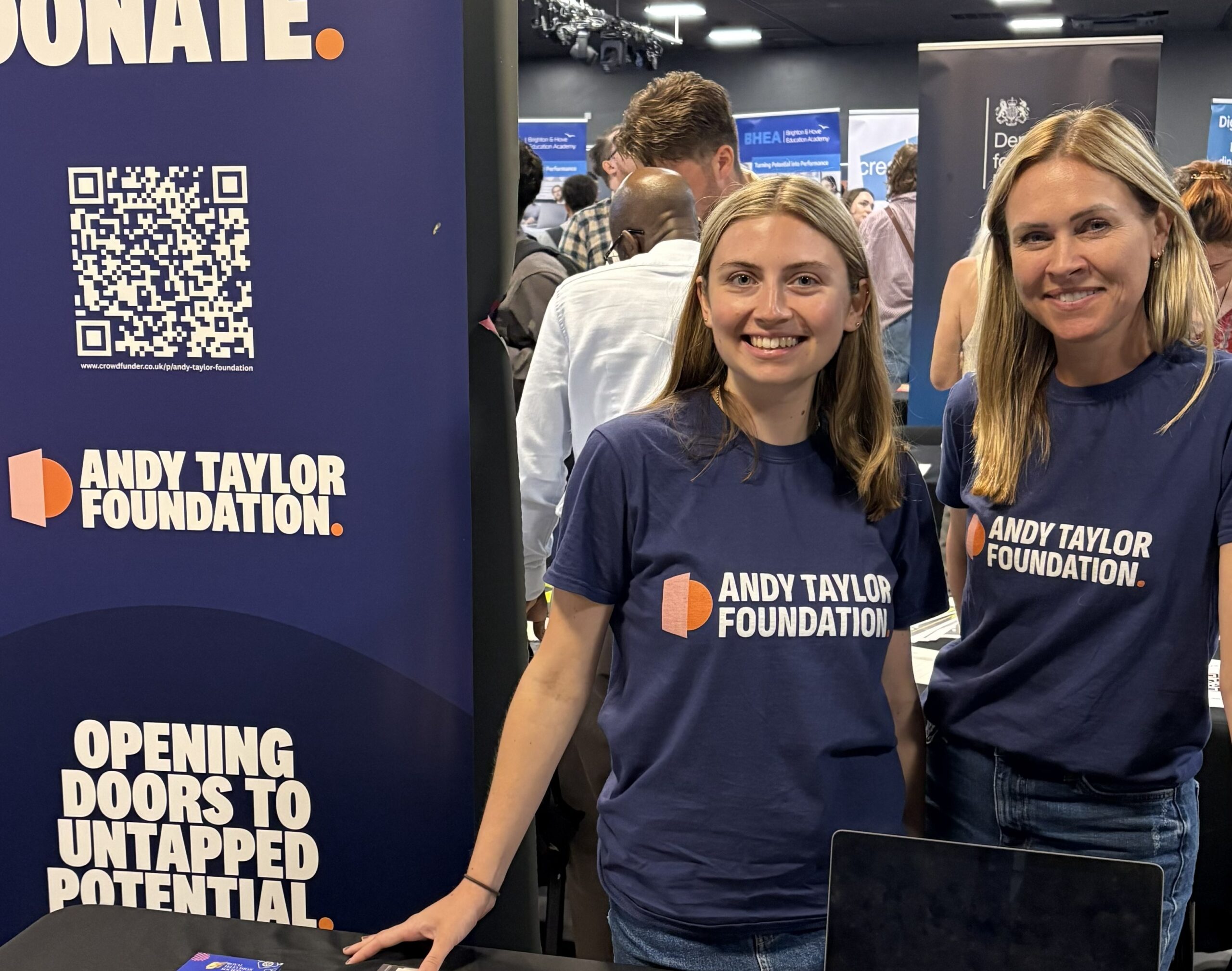
Demonstrating its ongoing commitment to accessibility and inclusion, Strawberry Field sponsored and attended the event, joining organisations from across the region in championing positive change.
Major Michelle Lovegrove Huggins, Mission Director at Strawberry Field, said:
“For us, accessibility begins with a simple question. Does every person who visits feel genuinely welcome and know that they belong? If the answer isn’t always yes, then we know there’s more we can do.
“None of us will ever get everything right, and that’s okay. The important thing is being willing to listen, to learn from people’s lived experiences and to keep making improvements, however big or small. That’s how real change happens.
“When we create places where everyone feels valued, respected and able to take part, we all benefit. Our communities become stronger, our visitor experiences become richer and we show the very best of who we are.”
Alongside keynote discussions and panel sessions, delegates took part in wheelchair basketball, boccia, wheelchair racing, power football and power hockey, experiencing first-hand the skill, athleticism and accessibility considerations involved in inclusive sport ahead of a series of major international competitions coming to Liverpool City Region.
 Subscribe
 Follow Us
 Follow Us
 Follow Us
 Follow Us
 Follow Us