Save money on train tickets with the Avanti West Coast Summer Sale 🚄




Guides
The origins of these Liverpool place names
57 seconds ago
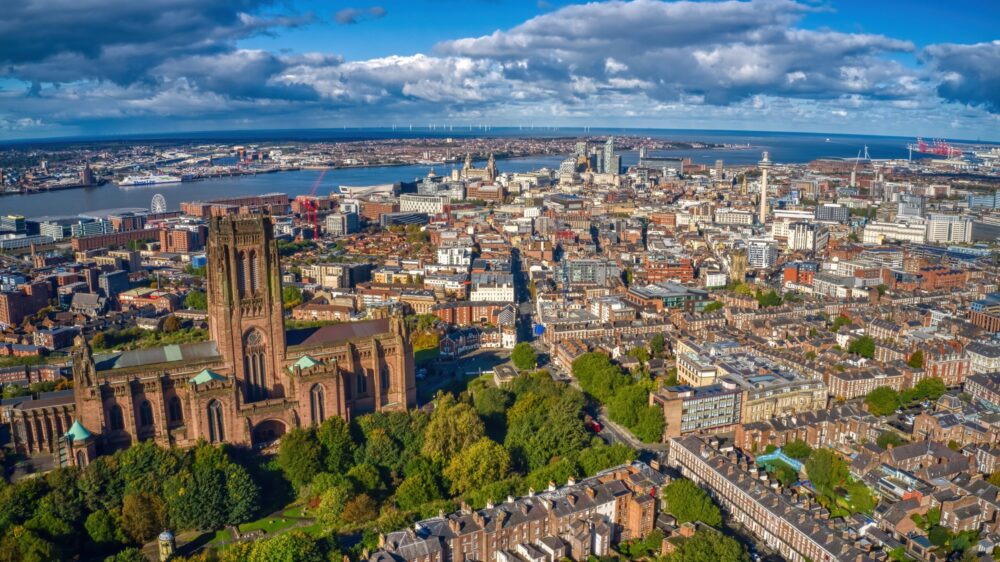
Long before the Pier Head, the Royal Albert Dock, and the Baltic Triangle, the names on Liverpool’s map simply described fields, trees, hills, rivers and farms.
Many of the city’s place names date back more than a thousand years, rooted in Old English and Old Norse, from a time when this part of Merseyside was a patchwork of woodland and riverside settlements.
The Liverpool we know today grew on top of that landscape – but the clues are still hiding in the names.
Liverpool
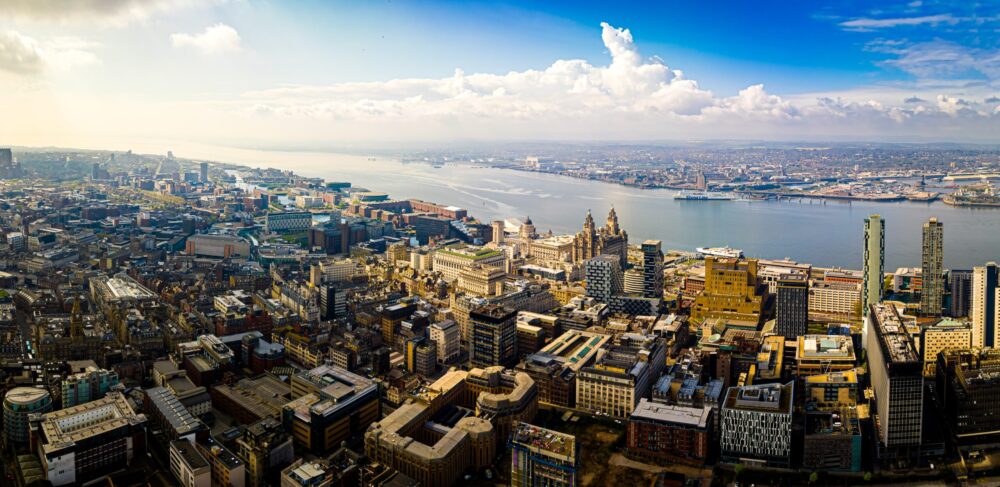
Let’s start with the obvious one.
Heading to London this summer? Save money with the Avanti West Coast Summer Sale. Book now and snap up the best fares before they're gone. Book now and save.
The name Liverpool comes from the Old English words lifer and pol.
Pol meant a pool or creek, while lifer is usually interpreted as muddy or thick water. The name most likely referred to a tidal inlet where a small river – the Lyver Pool – flowed into the Mersey.
Late 12th-century records spell it Liuerpul, referring to a settlement beside the creek.
It’s hard to imagine now, as you watch ferries cross the Mersey, but the place that gave Liverpool its name was little more than a muddy estuary puddle.
Aigburth
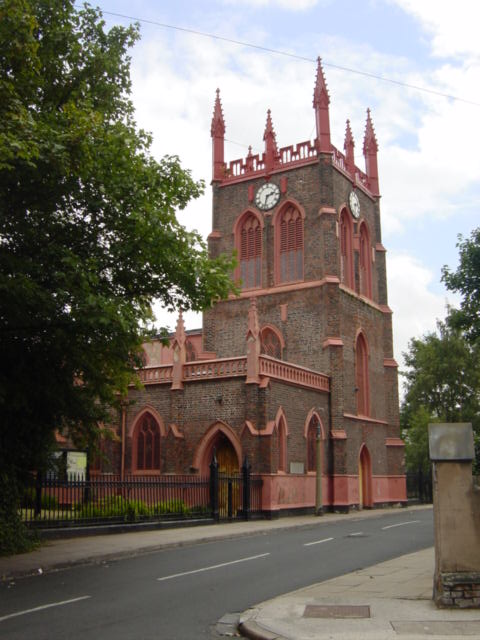
Aigburth sounds ancient – and it is.
The name likely comes from Old Norseeik(oak) and Old English berg (hill), giving the meaning “oak-tree hill.”
Centuries ago, the area would have been wooded land slightly raised above the river.
Today, it’s better known for its urban, bohemian vibe, but the oak-tree-inspired name might explain why Aigburth is still one of Liverpool’s leafiest suburbs.
Allerton
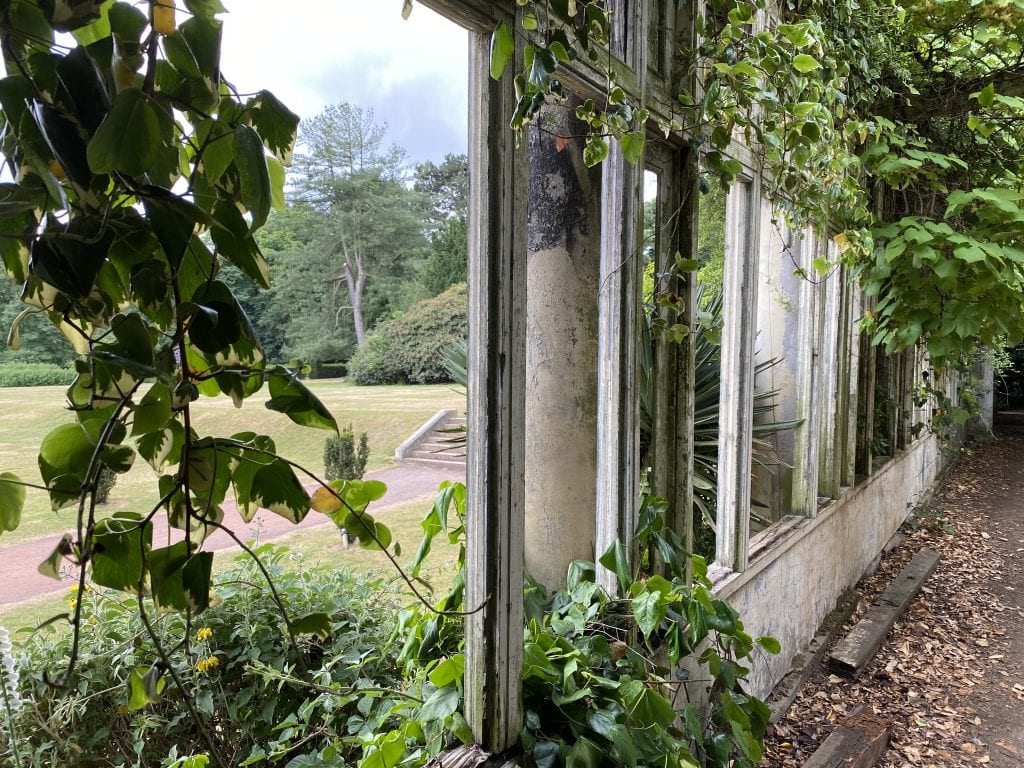
Allerton appears in the Domesday Book of 1086 as “Alretune.”
The name combines alor (alder tree) with tun(farm or settlement) – which essentially means “the farm among the alder trees.”
So next time you’re stuck in traffic on Allerton Road, take a deep breath and imagine the place as the peaceful woods and farmland it once was.
Anfield
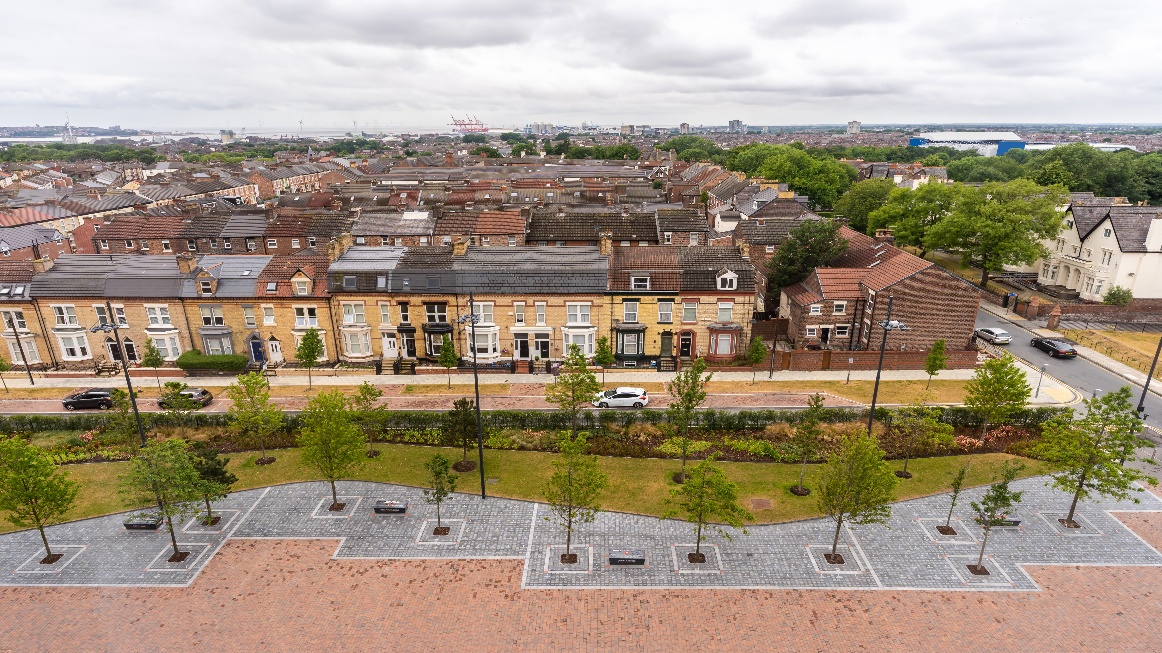
Today, Anfield is known worldwide as the home of Liverpool FC. Originally, it was just another field on the edge of the town.
One theory suggests it comes from Old English, meaning ‘a field on a slope’, which would fit the area’s slightly raised ground north of the city centre.
Another idea links the name to “Hangfield” or “Hanging Field,” a medieval term used for narrow strips of farmland on a hillside.
Records show the name appearing as “Annefield” in the early 17th century.
Childwall
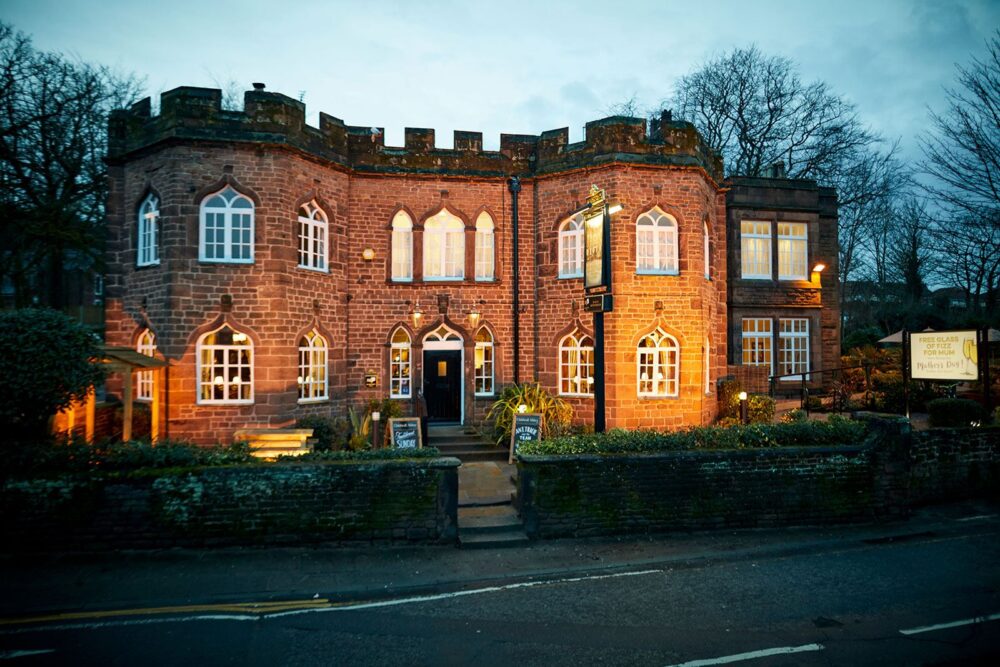
Childwall is one of the oldest names on Liverpool’s map, appearing in Domesday as “Cildeuuelle.”
The name’s meaning is debated. One view traces it to Old English cild and wella, suggesting a spring or well linked to a child or young noble.
Another theory links its origins to a boundary or defensive structure.
Either way, Childwall was once the centre of a large medieval parish that covered much of south Liverpool.
Croxteth
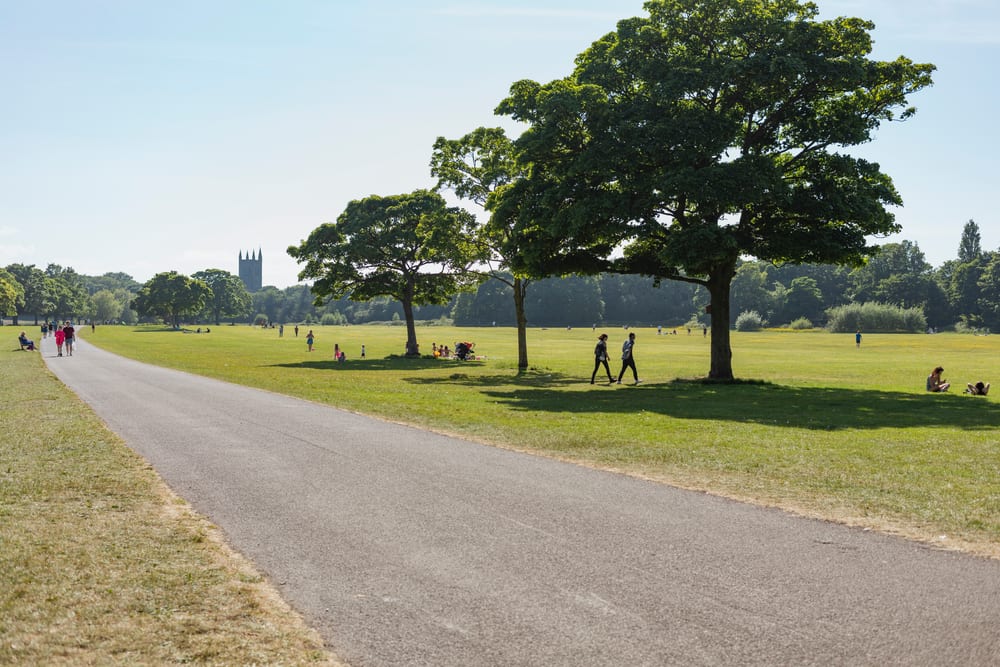
Croxteth is another name with Scandinavian roots.
Usually interpreted as “Croc’s landing place,” it combines a Norse personal name with stath, meaning a landing site or riverbank.
That makes sense when you consider how rivers and streams shaped Liverpool’s earliest settlements.
Today Croxteth is best known for its hall, park and producing one of England’s most famous footballers, but the name itself hints at a Viking influence.
Dingle
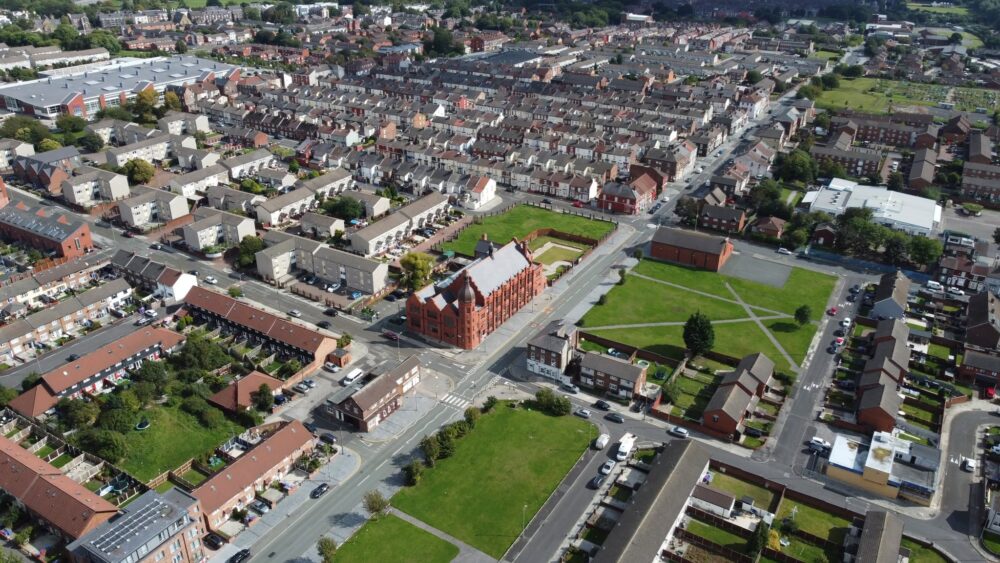
Dingle comes from a Middle English word meaning a small wooded valley or hollow.
Before terraces and dock roads were built along the river, the area was a natural valley that ran down towards the Mersey. Early maps show the land dropping steeply from the higher ground around Park Road towards the waterfront.
The name survived as the neighbourhood grew around it.
Everton
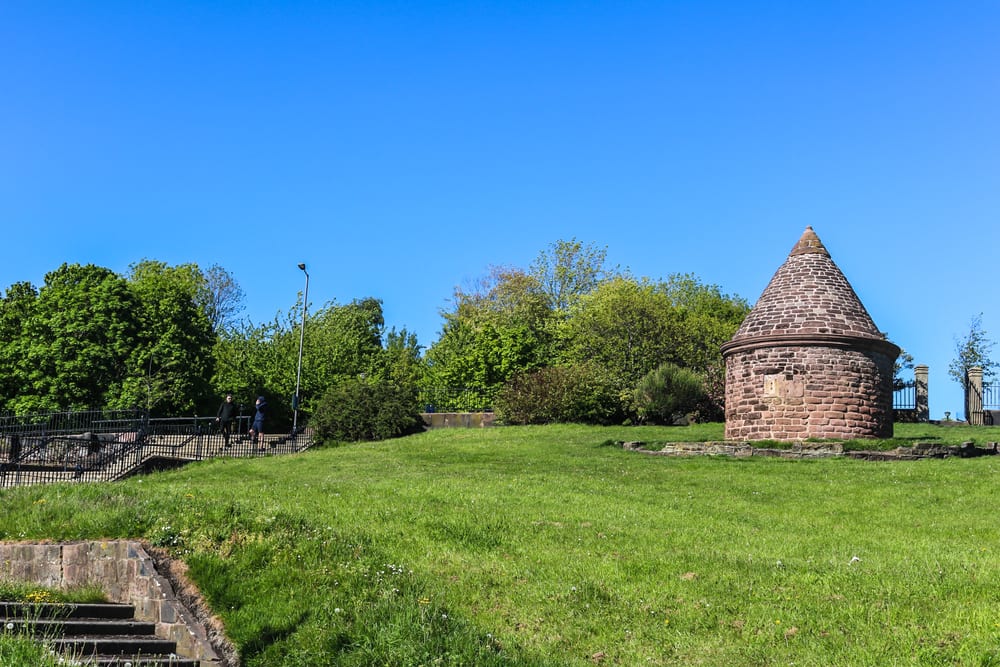
Everton’s name can be traced to the Old English eofor, meaning wild boar.
The name probably referred to a farm or enclosure where boar were kept – meaning the namesake of one of England’s most historic football clubs was once, literally, a boar farm.
The area also lends its name to the famous hard-boiled sweet, created by ‘Toffee Lady’ Molly Bushell in the late 17th century. Later, Noblett’s bought the recipe, coated the sweets with sugar stripes and sold them near Goodison Park as the Everton Mint.
Fazakerley
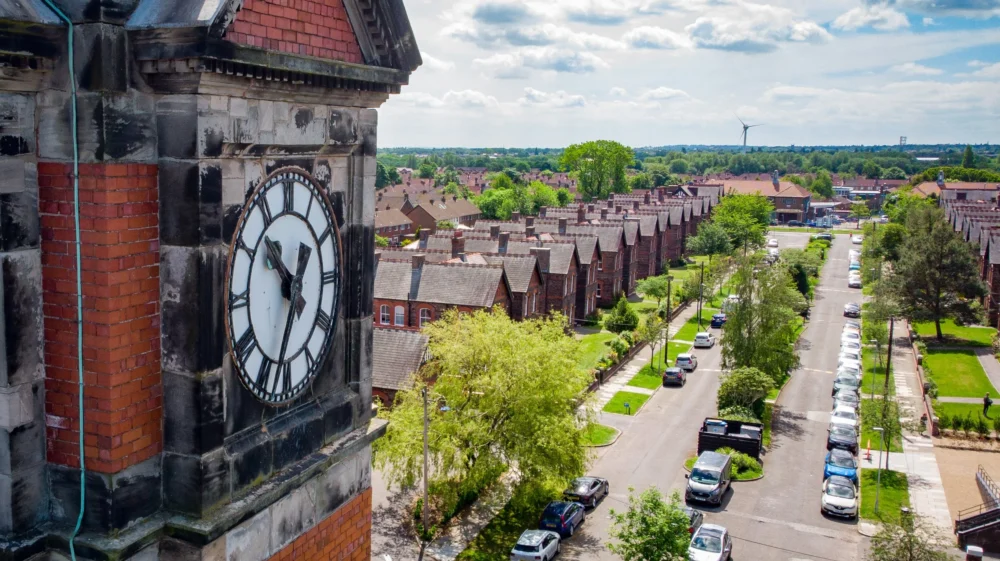
Fazakerley looks like a strange word because it is.
The name appears in medieval records as “Fasakreslegh.” Linguists believe it combines a personal name (possibly/Fasaker) with Old Englishleah, meaning a woodland clearing.
So Fazakerley probably meant “Fasaker’s clearing”, referring to someone’s private patch of woodland carved out of the forest more than a thousand years ago.
Garston
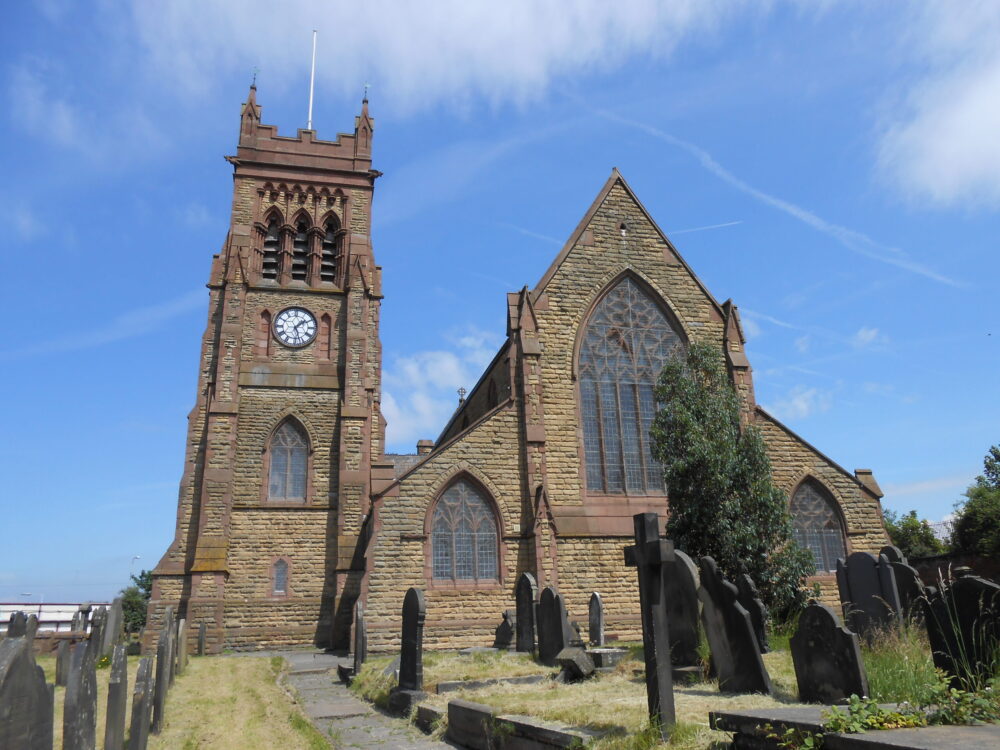
Garston’s name has a couple of possible origins.
One theory links it to Old English gaers, meaning grass or grazing land, combined with tun, meaning settlement or farm. In that interpretation, Garston was simply a grazing settlement beside the Mersey.
A more intriguing explanation suggests the name may have Norse roots. The element gar can be linked to Old Norse geirr, meaning spear or arrow.
If that version is correct, Garston may have been a place associated with spear-making or weapons.
Gateacre
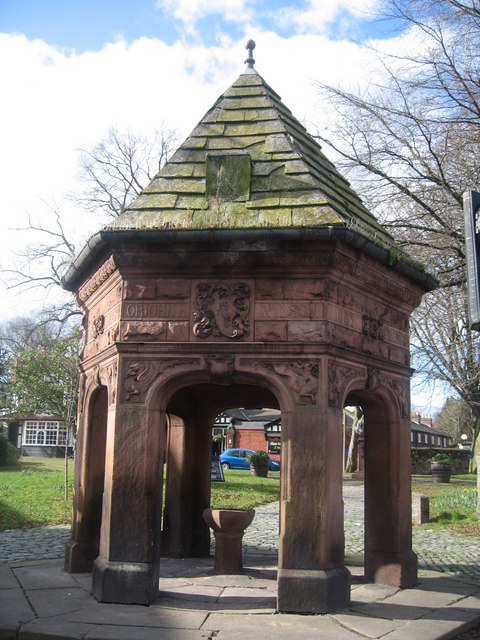
Gateacre’s unusual dropped ‘e’ pronunciation – “gat-acre” – may stem from the Norse gata, meaning road or path, suggesting a field beside a roadway.
An alternative suggestion is that the name came from the Anglo-Saxon term gāt-æcer, meaning a newly cultivated plot where goats are kept.
Whatever its origin, Gateacre was rural land on the city’s edge – a far cry from today’s village centre, which has more than 100 listed buildings within a quarter mile.
Kirkdale
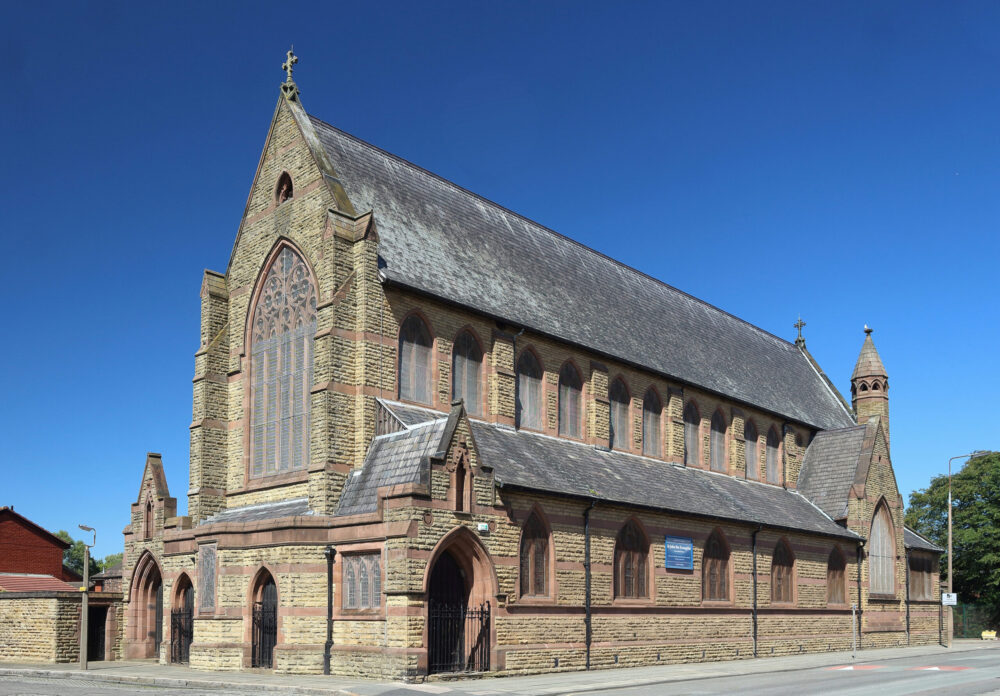
Kirkdale has a definite Norse flavour.
Kirk means church, and dale means valley. The name probably referred to a valley on the route to a church, most likely the parish church at Walton.
Even though Kirkdale didn’t originally have a church, it may have been part of the route people travelled to reach one.
Knotty Ash
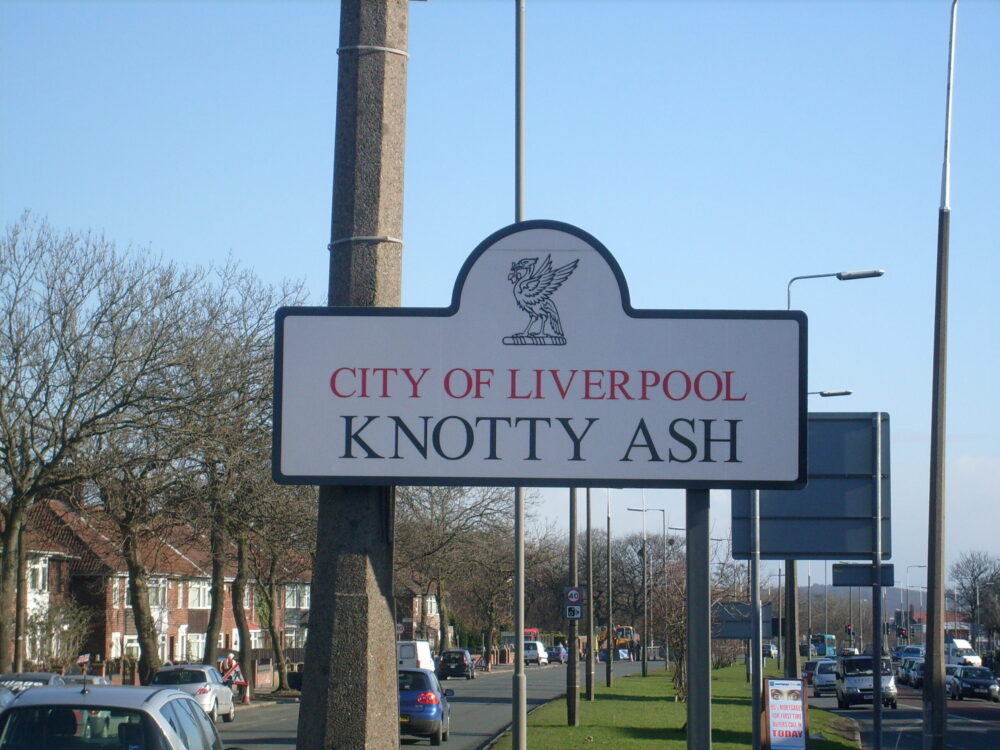
While some place names come from ancient languages, this one comes from a tree.
Knotty Ash is thought to be named for a gnarled ash tree once standing by a local junction. Over time, the landmark became the district’s name.
Just as well it was named before Ken Dodd invented the area’s Jam Butty Mines.
Old Swan
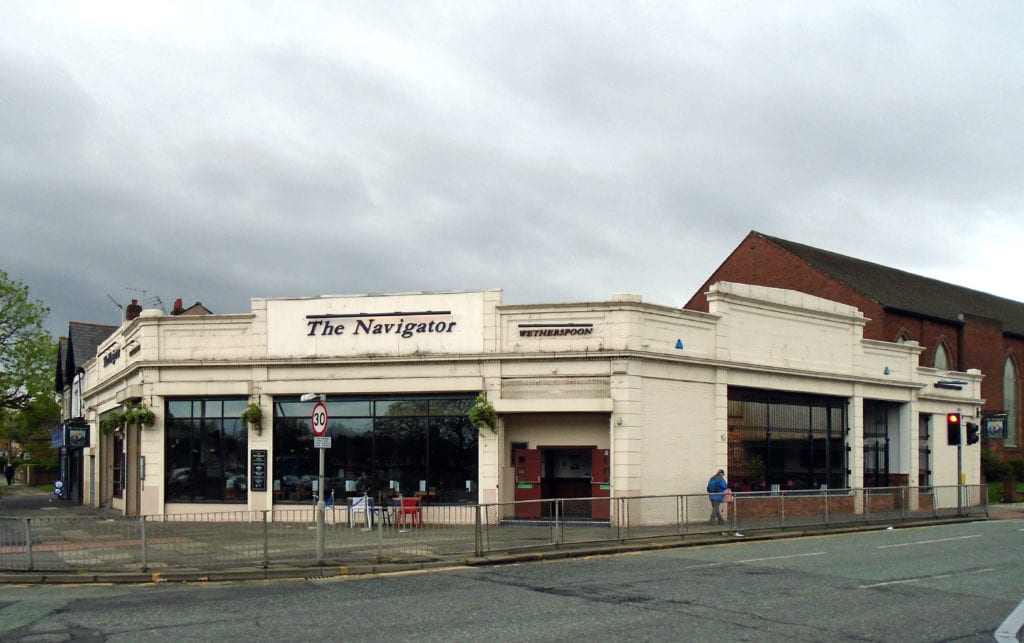
Wonderfully, Old Swan takes its name from a pub.
The district grew around an inn called the Three Swans, which stood on the old coaching route between Liverpool and Prescot. Over time, the area around the inn became known as Old Swan, and the name stuck as the settlement expanded.
So, not every Liverpool place name comes from Saxons or Vikings – sometimes they originate from where people stopped for a pint.
Speke
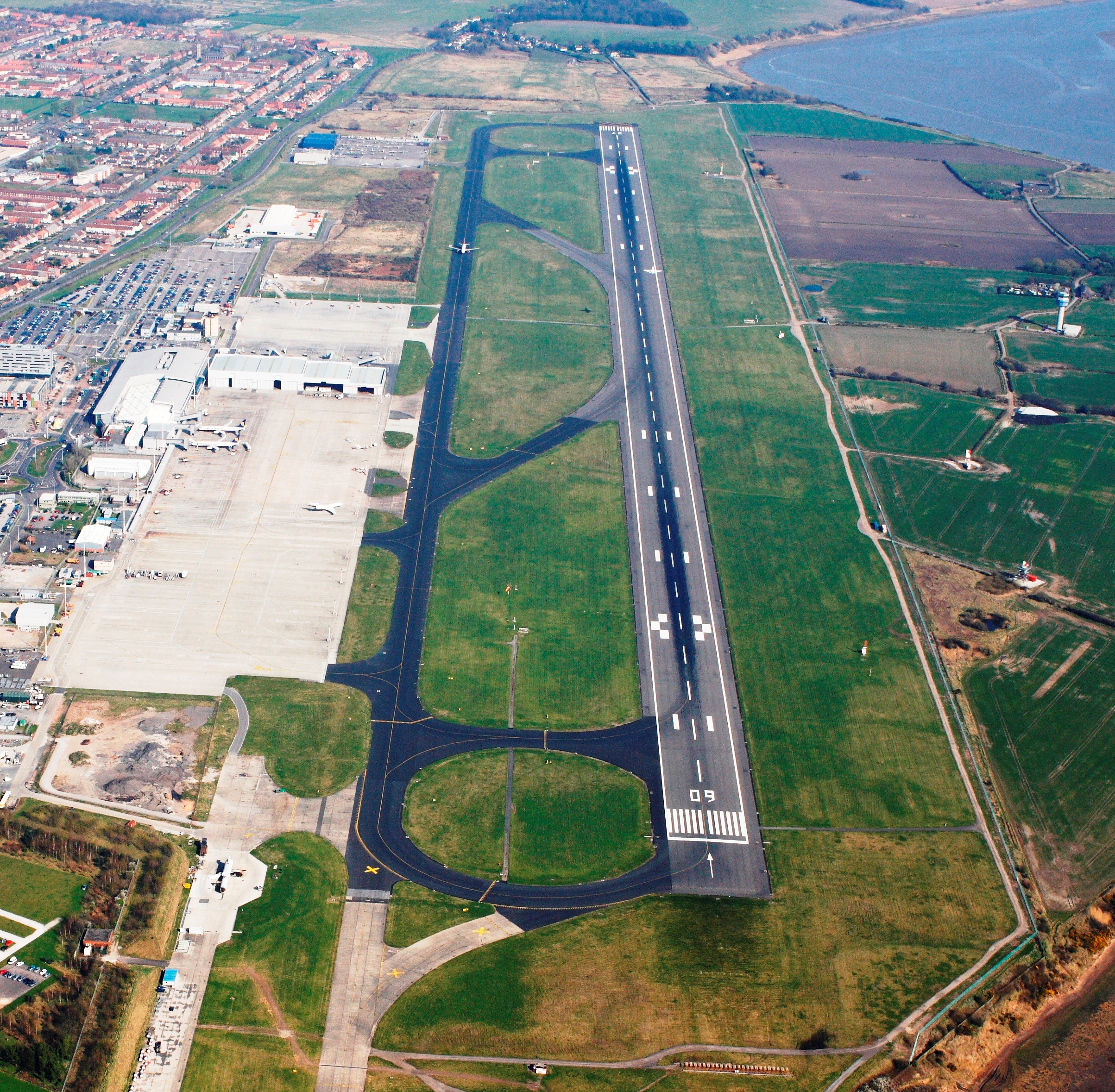
Speke appears in the Domesday Book as “Spec.”
Most historians believe it comes from the Old English word spec, meaning brushwood or twigs.
Today, the area is best known for Speke Hall and Liverpool John Lennon Airport – a very different landscape from the scrubland that gave it its name.
Toxteth
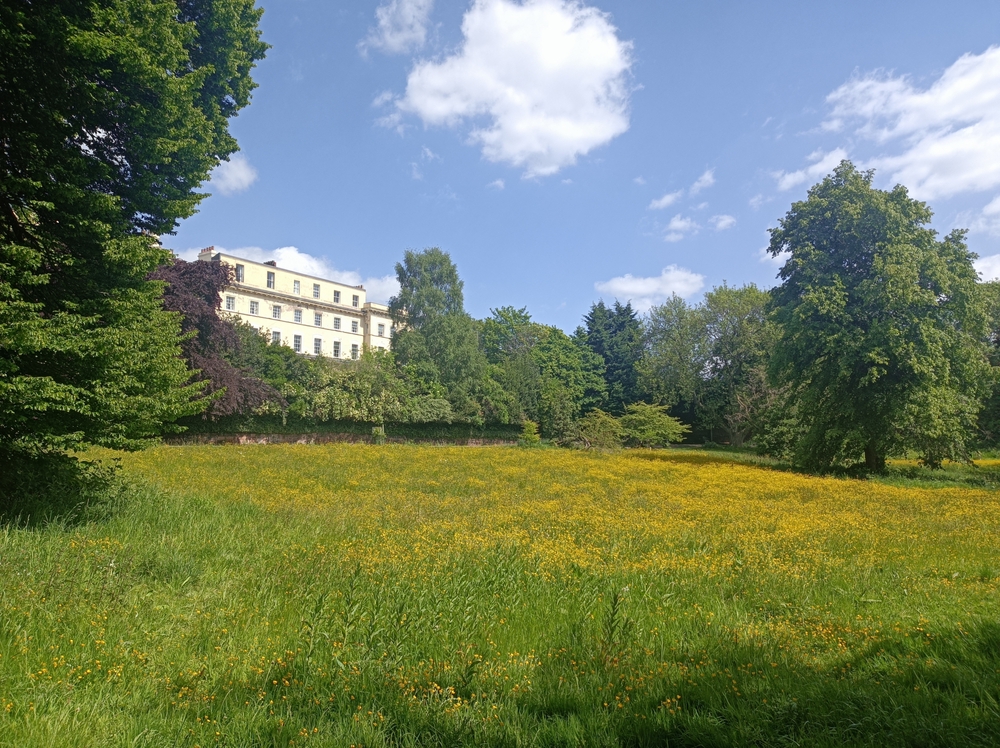
Toxteth is one of the most debated names in Liverpool.
A popular explanation links it to “Toki’s landing place,” suggesting a Viking connection.
But the Domesday spelling “Stochestede” points to Old English roots meaning an enclosed or stockaded place.
Regardless, the name marks a settlement long before the area grew into one of Liverpool’s most famous, culturally important neighbourhoods.
Tuebrook
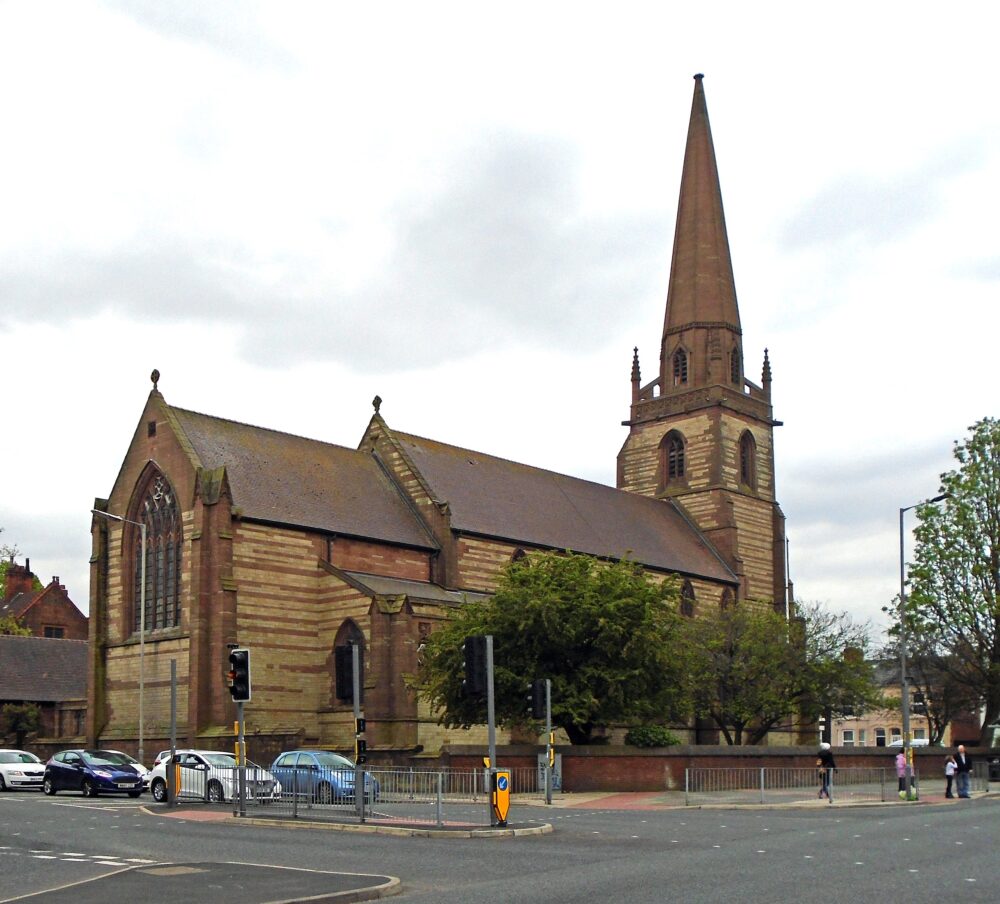
Tuebrook sounds modern, but it may hide one of the oldest religious references in Liverpool. The name is thought to come from “Tiw’s brook.”
Tiw (or Tyr) was a Norse god associated with war and justice – roughly the Viking equivalent of Mars. The same god also gives us the word Tuesday.
If the interpretation is right, Tuebrook may originally have meant “the stream associated with the god Tiw.”
Walton
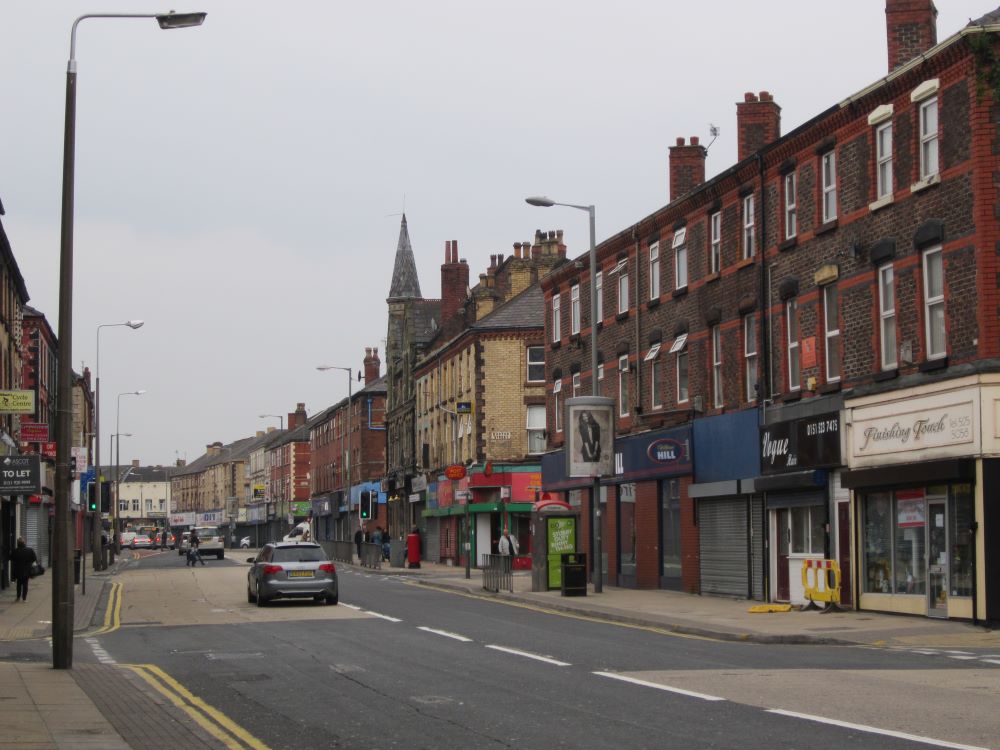
Walton most likely comes from Old English Wealas and tun.
Wealas was the Anglo-Saxon word for Britons or foreigners, while tun meant settlement.
So Walton may literally mean “the settlement of the Britons.”
Wavertree
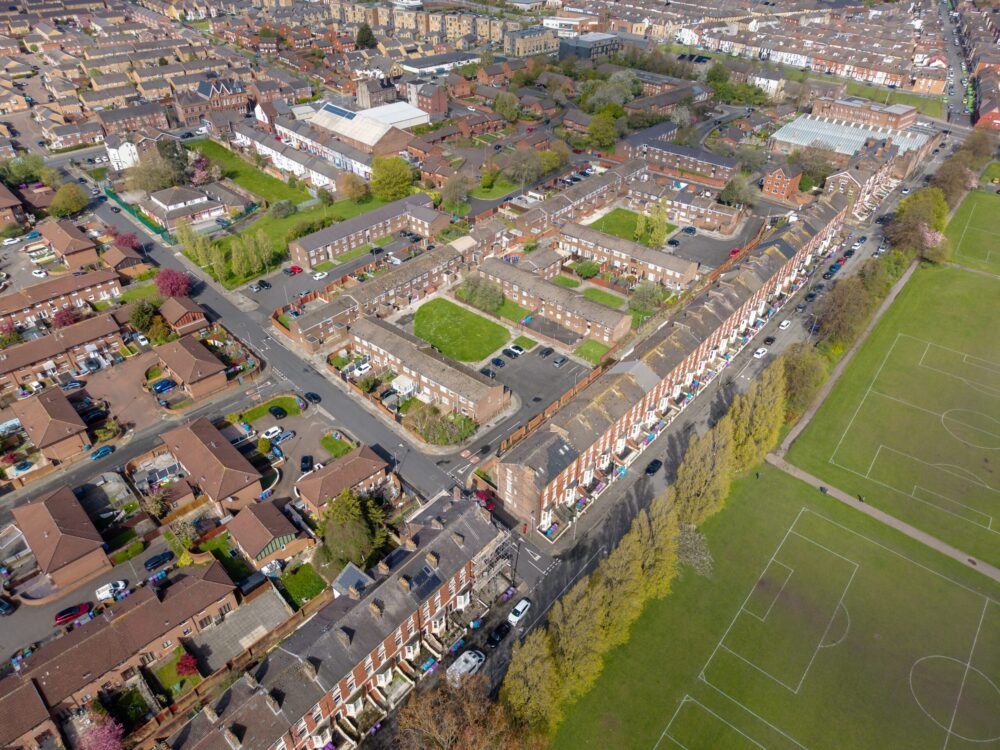
Wavertree is one of Liverpool’s more poetic place names.
It likely comes from Old English wæfreandtreow, meaning “wavering tree.”
Historians say this refers to a tree – possibly an aspen – whose trembling leaves became a landmark and, later, a place name.
Locals sometimes play on the name by referring to the area as ‘Shake a bush’.


 Subscribe
 Follow Us
 Follow Us
 Follow Us
 Follow Us
 Follow Us