Save money on train tickets with the Avanti West Coast Summer Sale 🚄



Features
How The Mersey Forest is helping people and businesses make the region greener
4 seconds ago
Advertorial
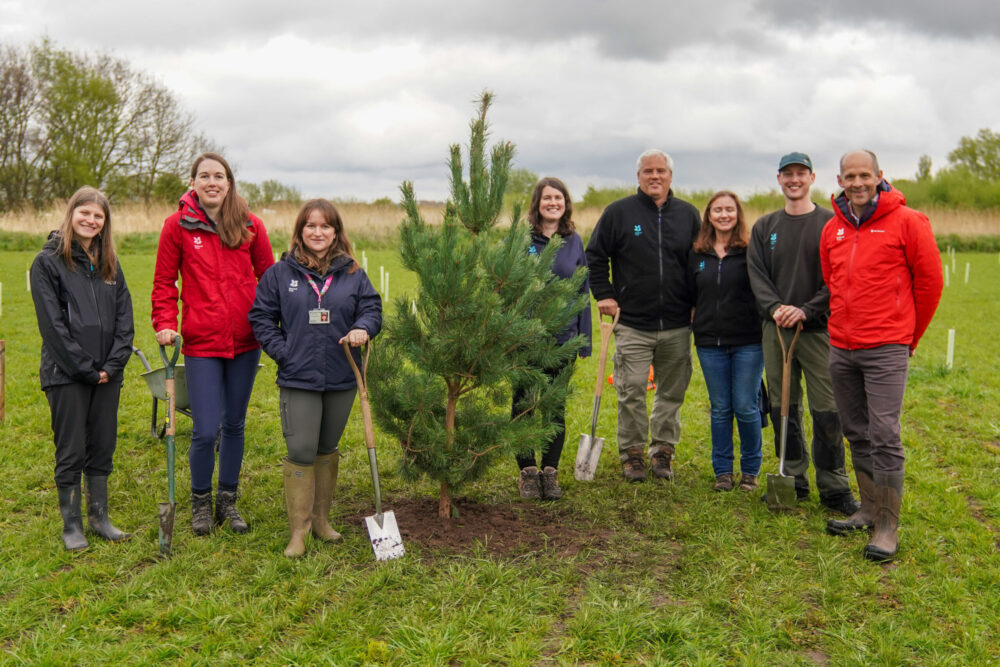
As the old adage reminds us, money doesn’t grow on trees – but there’s a whole wealth of benefits we can get from them!
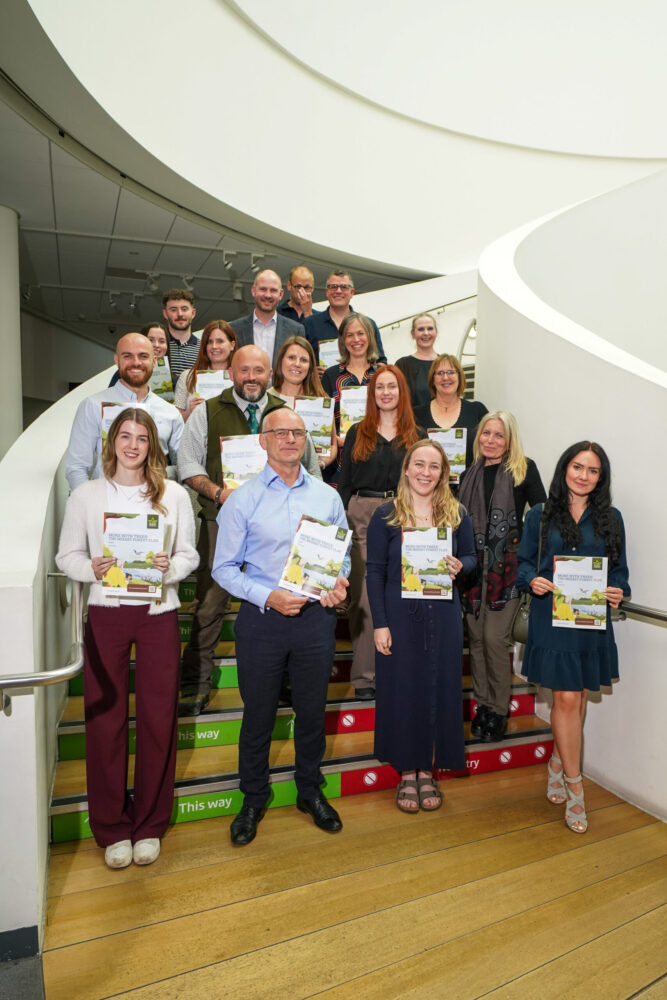
That’s why for more than 30 years, The Mersey Forest has been working to see more trees and woodlands thriving around us, working in partnership across the public and private sectors, to make the area flourish, for people, wildlife and the economy, and they are looking to encourage even more people to get involved.
Since it was established in the early ‘90s, The Mersey Forest – Merseyside and Cheshire’s Community Forest – has been developing a network of well looked-after trees and woods as well as other natural habitats for the benefit of people, nature and the climate, and encouraging as many people as possible to get involved.
But as Director Paul Nolan says: “There’s always more we can do.”
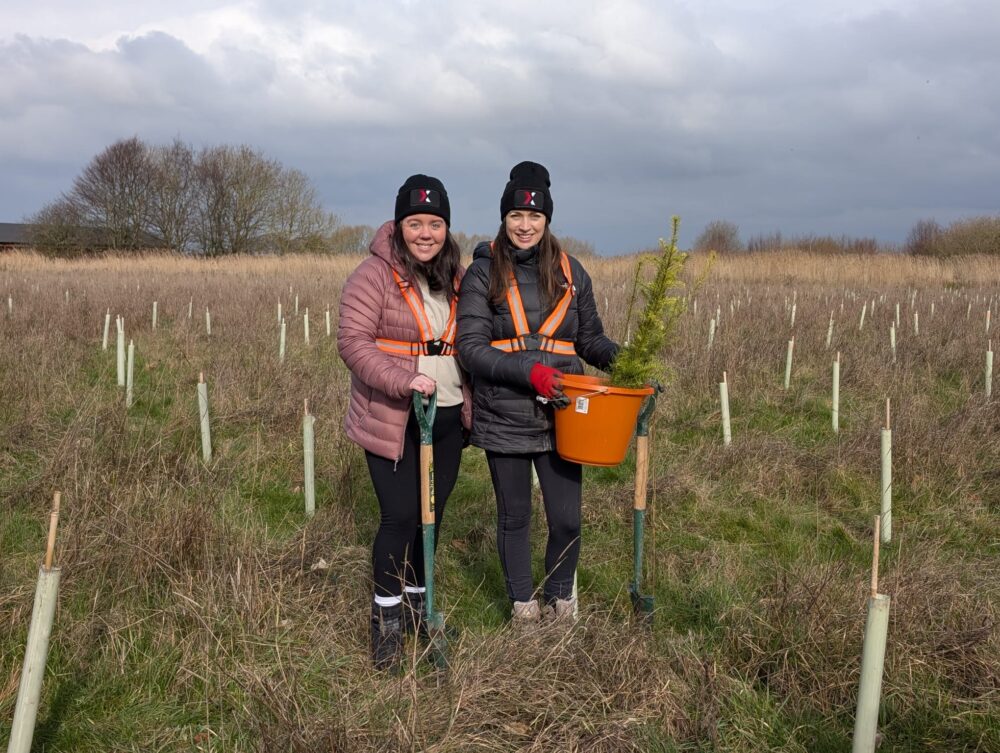
He adds: “The team and its partnerships are doing a remarkable job and loads of good things have been done. But it’s a never-ending task and it’s about making sure we do more – and do it well.
“The forest is a source of positivity and hope, all the things we need in these difficult times.
“And we need to continue and improve on that by collaborating with more partners, more businesses and more resources to co-create the change.”
A Mersey Forest Plan, refreshed in 2025, was developed after consultation when the Forest was founded and guides the work it does now:
“People wanted to see trees close to them in towns and cities,” says Paul. “They wanted places for wildlife and diversity to flourish, and they wanted places to visit like Delamere Forest, and Sefton coast and pinewoods.
“They wanted places they could value to support their physical and mental health – something we saw increasingly during and after Covid (and for which there’s a lot of research to back that up) and which we recognise and value.”
The Mersey Forest acts as a ‘matchmaker’ with landowners who want to see more trees on their land, with farmers, schools, businesses and community groups.
“We communicate about what we can do and what funding we’re able to offer,” explains Paul. “We’ll give advice and finance to make it happen, as well as planting the trees and offering as much help as is needed to look after them.”
The largest source of funding comes from DEFRA (the Department for Environment, Food and Rural Affairs), alongside contributions from local authorities. Further support is secured through charitable fundraising, National Lottery bids, and investment from businesses working with The Mersey Forest to support tree planting, woodland creation, and health and education programmes. For many organisations, this is part of a wider commitment to sustainability, helping to create lasting environmental and social benefits while supporting local communities.
That’s where The Mersey Forest’s Investing in Nature conference at the city’s Titanic Hotel on July 7 will prove invaluable.
The conference – for which The Guide Liverpool is media partner – brings together business leaders, investors, landowners, policymakers and environmental organisations to explore how investment in nature can translate into practical action.
As organisations face increasing expectations around sustainability, climate resilience, and nature recovery and ESG (Environmental, Social, and Governance), the conference will showcase real-world examples that have created healthier communities, stronger economies and a more resilient natural environment.
“The Government is putting in as much as it will so if we want to do more and do things better it’s got to be a shared endeavour between public and private sectors.”
Paul adds: “The goal is to get to a point where trees and woodlands are cherished by local communities and seen as a vital part of their lives; where children can be taught in forest schools, where the environments people live in are recognised as keeping flood waters down, and where people use them for their wellbeing.
“We want to see everybody recognising that they’ve got a stake in that and taking responsibility for it.
“It’s about reconnecting people with nature and it’s a positive thing. Good things are happening – but we’d like to do more.”
Tickets for the Investing in Nature conference have now sold out, reflecting the strong interest and momentum behind turning nature ambition into action. You can still find out more about the event, including its speakers and key themes, here.

 Subscribe
 Follow Us
 Follow Us
 Follow Us
 Follow Us
 Follow Us