Save money on train tickets with the Avanti West Coast Summer Sale 🚄



Health & Fitness
Liverpool researchers launch groundbreaking study to transform lung cancer screening
37 minutes ago
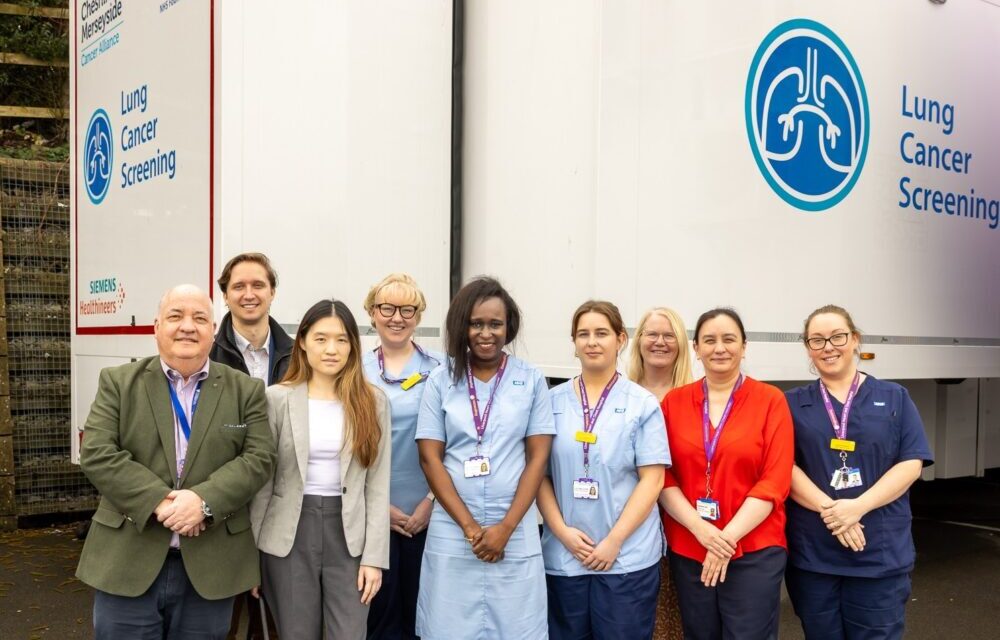
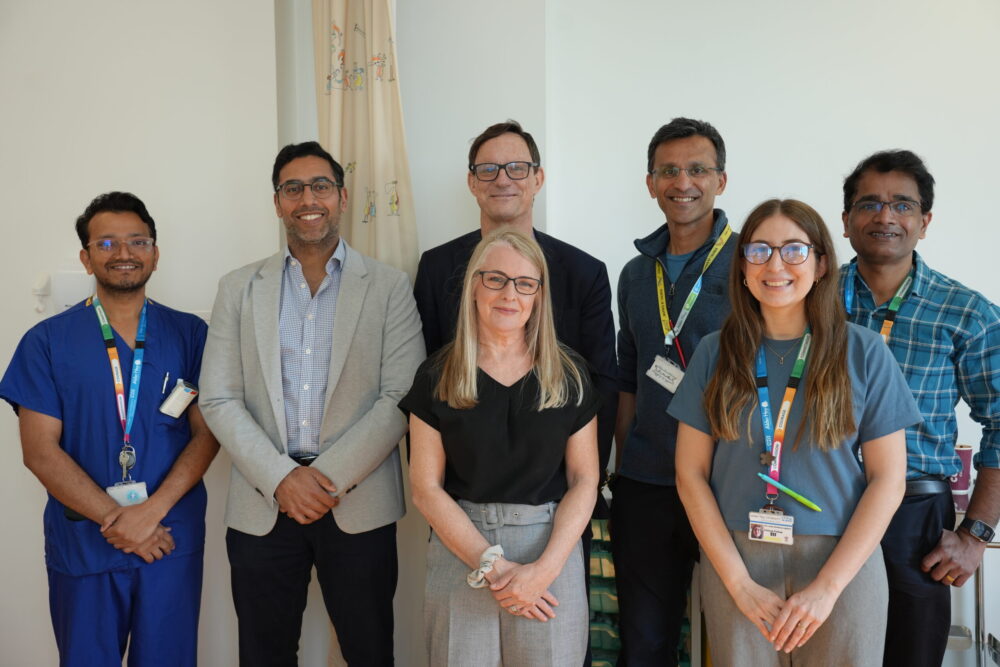
Thousands of people in Cheshire and Merseyside are being invited to take part in pioneering Liverpool-led research that could shape the future of lung cancer screening.
Researchers in the city are investigating if a simple blood test can identify people at risk of lung cancer so that scans can be targeted at them to spot any disease in its early stages.
The APPLIED-LUNG: Transforming Lung Cancer Screening study is co-funded by the National Institute for Health and Care Research (NIHR) and Oxford Cancer Analytics (OXcan), including a £1.68 million NIHR i4i Product Development Award.
The APPLIED-LUNG study has already recruited around 1,500 participants since launching earlier this year and aims to involve up to 11,000 people attending routine low-dose CT scans as part of the Cheshire and Merseyside NHS Lung Cancer Screening Programme.
🚄
Heading to London this summer?
Save money with the Avanti West Coast Summer Sale. Book now and snap up the best fares before they're gone.
Book now and save →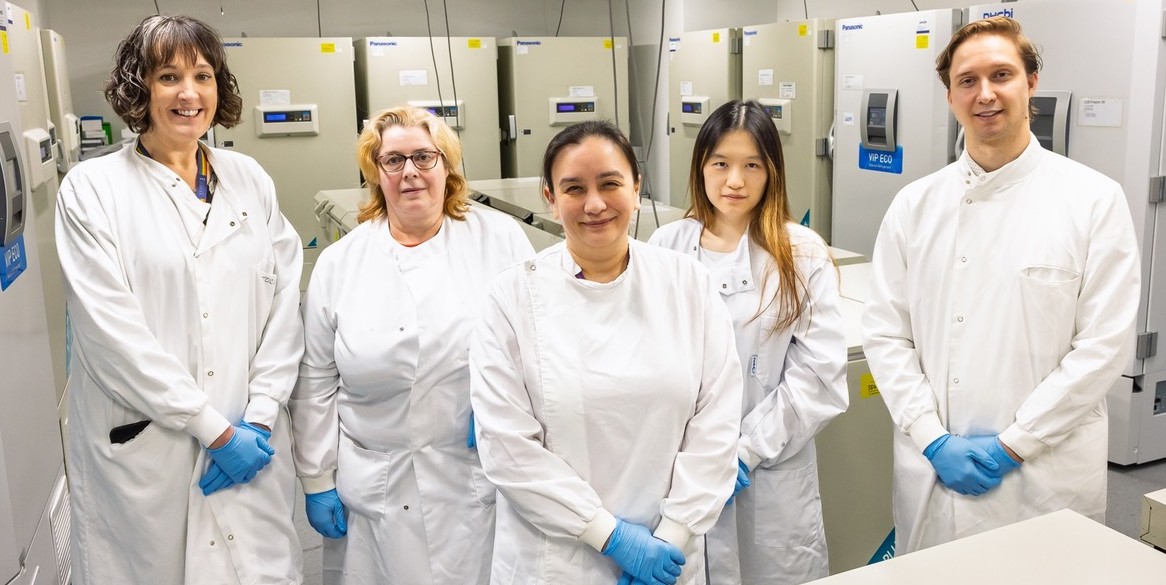
Lung cancer is one of the UK’s biggest cancer killers, accounting for one in seven (around 50,000) of new cancers diagnosed each year. Improving early diagnosis is vital to give people the best chance of successful treatment and over the past several years the NHS has rolled out lung cancer screening for people at high risk using low dose CT scans, with Cheshire and Merseyside one of the first areas of the UK to introduce it.
CT scans can detect lung cancers earlier, but rolling out screening at scale requires significant NHS resources. The APPLIED-LUNG study is investigating whether a blood test developed by the diagnostics company Oxford Cancer Analytics (OXcan) could be a solution. The Liverpool researchers hope this blood-based approach could one day help make lung cancer screening more efficient, accessible and sustainable.
Participants who agree to take part in the APPLIED-LUNG study give a one-off research blood sample when they attend their scheduled scan appointment. Researchers will compare the blood test results with CT scan findings and follow-up clinical outcomes to understand how accurately the test could support future decisions on who should be screened with a CT scan.
If successful, the technique could identify those at risk of lung cancer – which typically has no symptoms in its earliest stages – so they can have more tests, and also discount others, reducing the need for unnecessary scanning and help the NHS save resources.
The study is being delivered through Liverpool Heart and Chest Hospital NHS Foundation Trust, the University of Liverpool, Cheshire and Merseyside Cancer Alliance and OXcan. It is sponsored by the University of Liverpool.
The study is led by Dr Serena Chee, Chief Investigator from the University of Liverpool and Liverpool Heart and Chest Hospital NHS Foundation Trust, and Dr Emma Mi, Co-principal Investigator from OXcan. It brings together NHS clinical expertise, university research leadership, patient and public involvement and OXcan’s blood-based protein analysis technology.
Dr Chee said:
“By working with the Cheshire and Merseyside’s Lung Cancer Screening programme, we can use information from its participants to cross reference their blood samples and their outcome details to discover if we can target people who have early-stage lung cancer, or who may develop it. This study could be a gamechanger in cancer screening.”
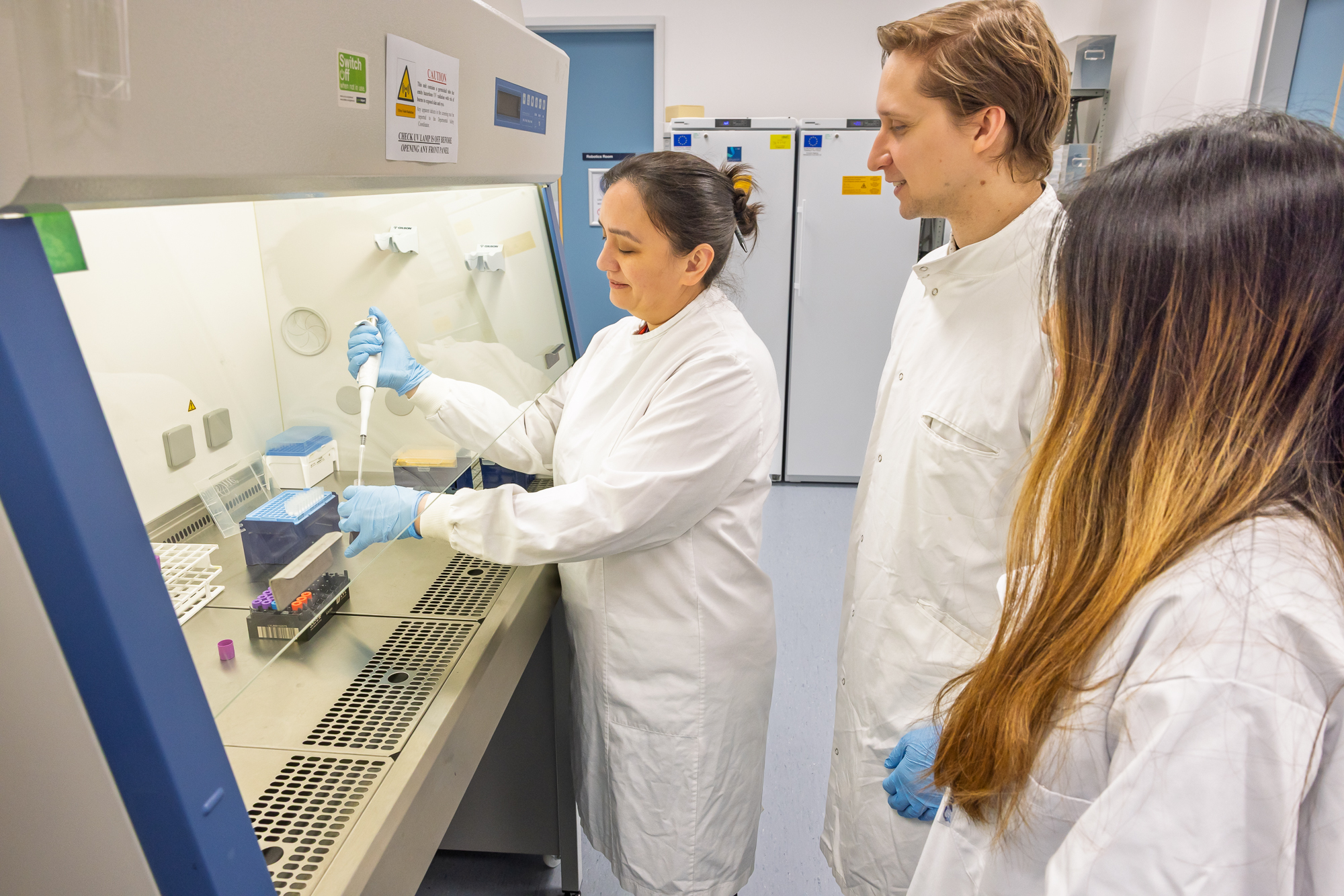
Dr Daniel Szulc, Chief Product Officer at OXcan, said:
“Since 2022, we’ve partnered with LHCH and the University of Liverpool to advance this mobile-enabled lung cancer screening model integrating our blood-based test. By fitting into routine care and standard laboratory pathways, our product is designed to help screening reach more people while reducing burden.”
Jon Hayes, Managing Director of Cheshire and Merseyside Cancer Alliance, said:
“The study reflects a shared ambition across industry, academia and the NHS to build screening pathways that are not only clinically robust, but also more accessible to patients and more practical to deliver at scale.”
“Liverpool led the way with lung cancer screening through pilot projects on it more than two decades ago, so it is fitting that researchers here are now taking findings from screening for research into better ways to detect those at risk of lung cancer, of which there is a higher incidence in Merseyside.”
As well as evaluating the OXcan blood-based test, APPLIED-LUNG will create a linked bank of samples and clinical data with the Liverpool University Biobank. This could support future research into lung cancer screening and other related conditions.
Find more information about the trial here.
Find the latest Liverpool news here.
Find out what’s good up North on our new platform, The Northern Guide.
From the best hotels, beauty spots, days out, food and more up North – visit thenorthernguide.com and follow The Northern Guide on Instagram HERE.

The Guide Liverpool Editorial Team
The Guide Liverpool proudly shares regular stories from in and around Liverpool. From the latest news, to the best what’s on listings. Our editorial team is made up of trained journalists and media professionals, meaning you will never miss a moment from the city region.






 Subscribe
 Follow Us
 Follow Us
 Follow Us
 Follow Us