The full Africa Oyé lineup has been revealed




Features
How National Museums Liverpool supports the dementia community through the House of Memories programme
57 minutes ago
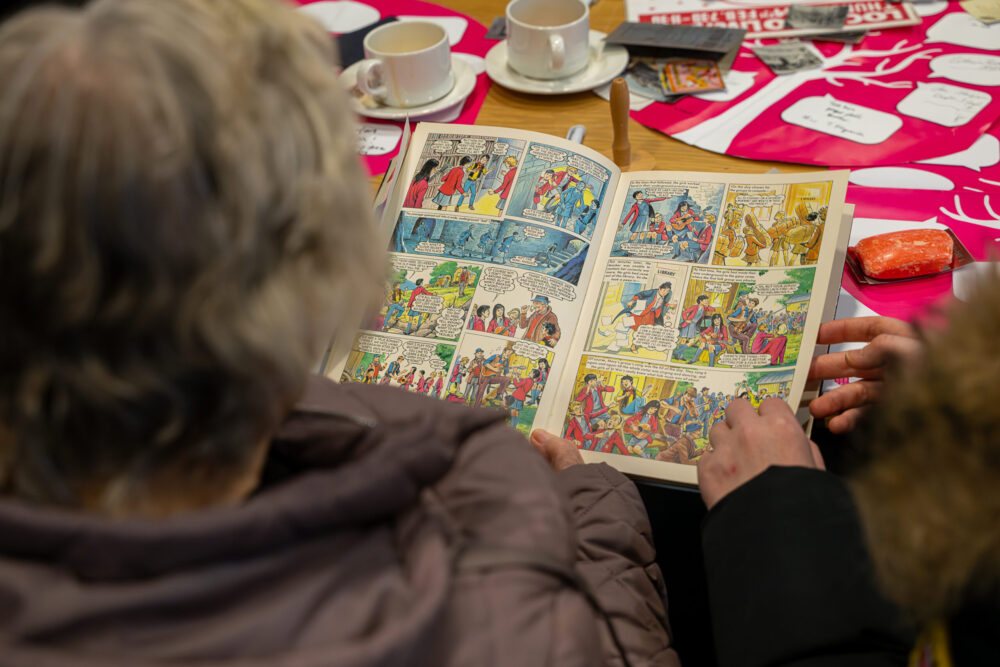
Dementia is no stranger to our communities, with many people affected either directly or through the experiences of family members, friends and neighbours.
There are over 850,000 people living with dementia in the UK, but the impact of the condition extends far beyond those diagnosed, including those awaiting a diagnosis, loved ones and carers.
That’s why National Museums Liverpool has been taking action through its award-winning House of Memories programme. Since launching in 2012, the programme has been a catalyst for demonstrating how museums can support the dementia community.
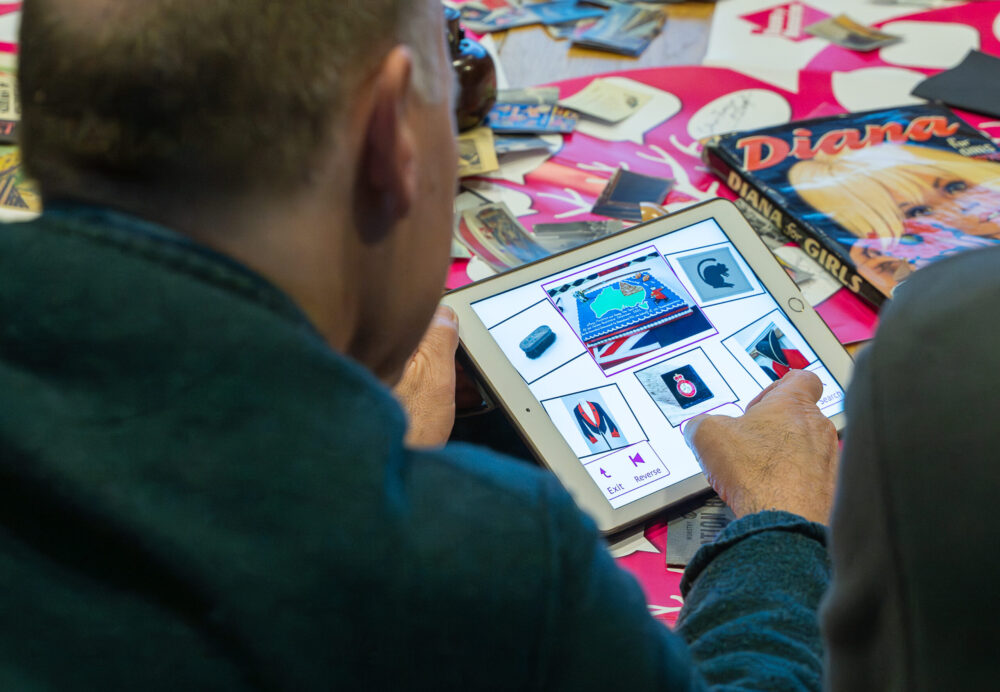
House of Memories is a museum-led dementia awareness programme that uses museum objects and storytelling to help those living with dementia connect with their caregivers and families. With a range of workshops, training and community outreach, the programme is created with the dementia community to be accessible and responsive to the needs of those living with dementia.
Museums are great places to experience stories of days gone by and National Museums Liverpool uses its venues to help people living with dementia, their families and carers, to connect to them. House of Memories also offers a range of opportunities for engagement with local residents, as well as those further afield, in care settings and those living in their own homes.
These include:
Memory strolls
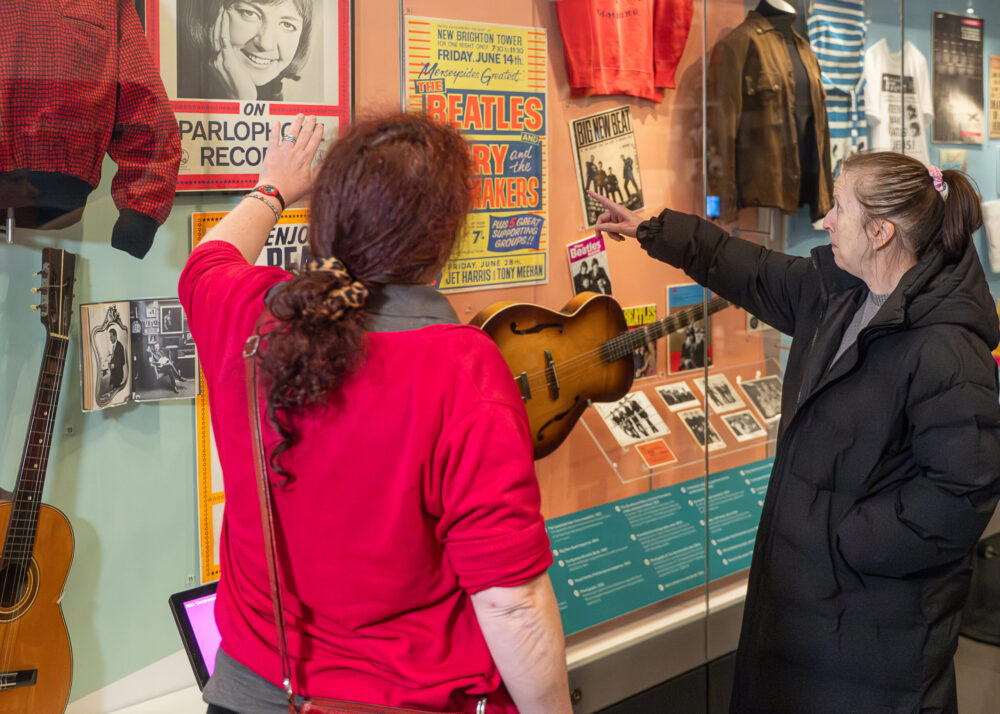
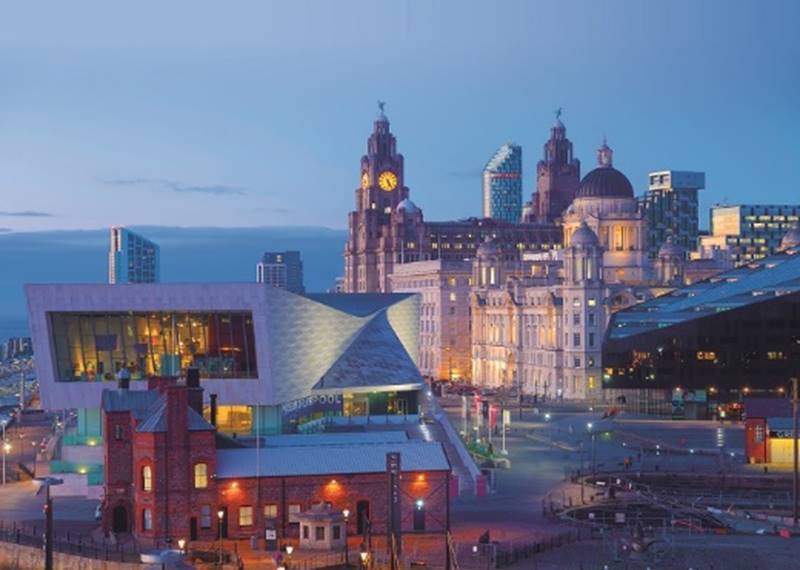
These dementia-friendly guided visits to National Museums Liverpool venues spark conversations. On a memory stroll at the Museum of Liverpool, you can explore Liverpool icons like the Overhead Railway, known as the Dockers’ Umbrella, Blackie the rocking horse, or the Colomendy totem pole. Each stroll is guided a member of the House of Memories team but led by the conversations and stories shared by those on the memory stroll.
Memory suitcases
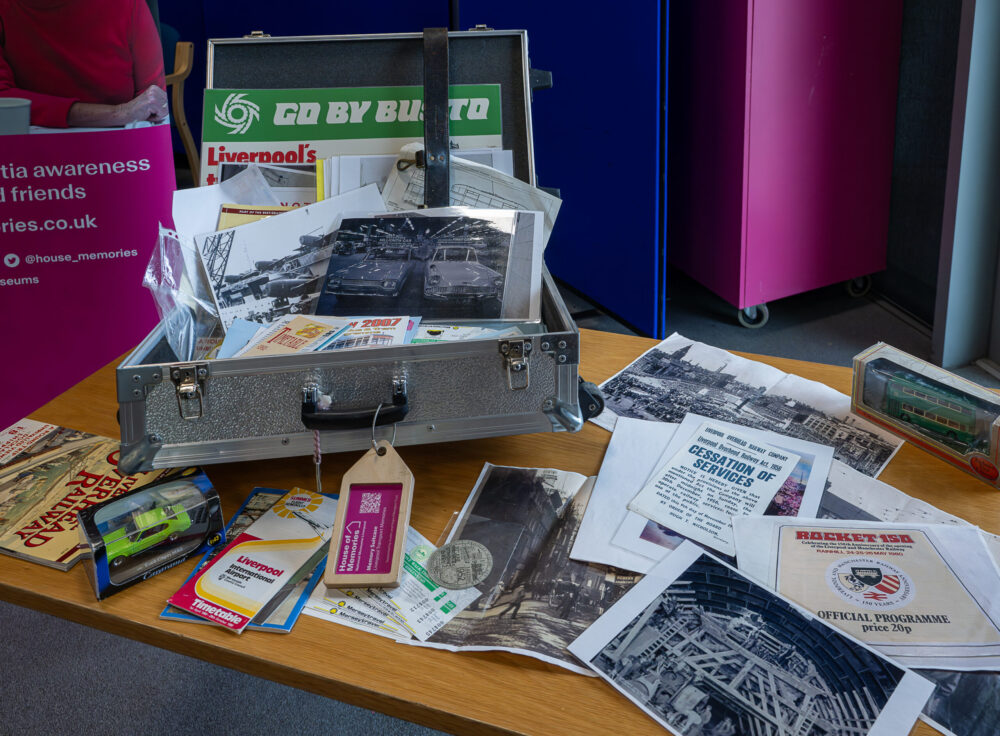
Memory suitcases can be loaned free of charge by GPs, care homes, community groups and individuals. They are filled with photos, memorabilia and objects that help promote conversations about the past.
Each suitcase has been co-designed with and for the dementia community, with different themes reflecting a range of hobbies, activities, cultures and languages. They support professionals working with people living with dementia to deliver person-centred care by focusing on what matters most to each individual. Items are multisensory which allow senses to become stimulated to engage in conversations around past life experiences.
On The Road
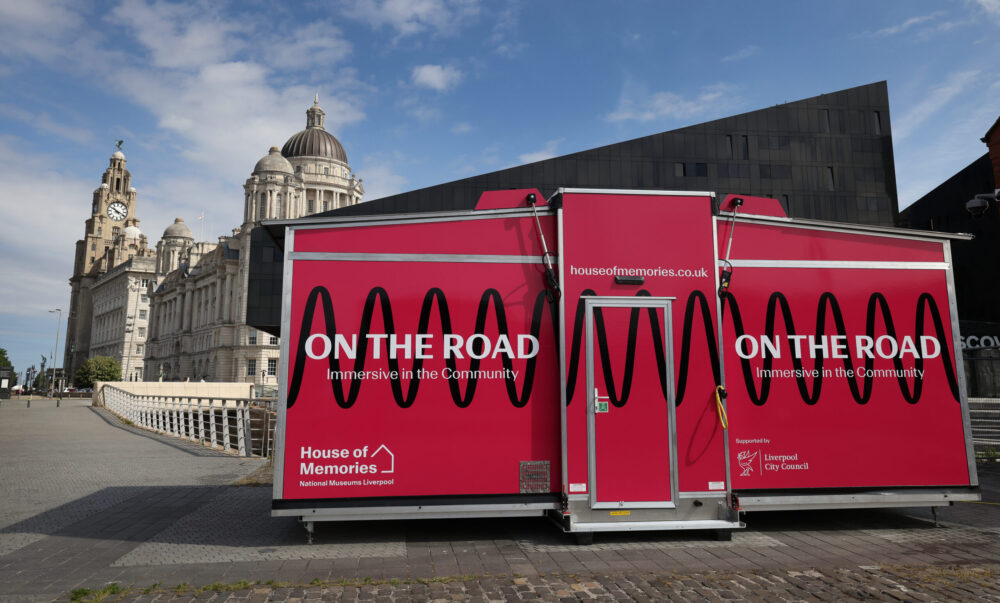
If you can’t get to the museum, the museum can come to you. House of Memories On The Road is National Museums Liverpool’s mobile museum that opens up into an immersive cinema and activity space. It has more than 30 immersive experiences for sights, sounds, and smells of the past through a virtual ‘front door’.
Connecting Memories sessions
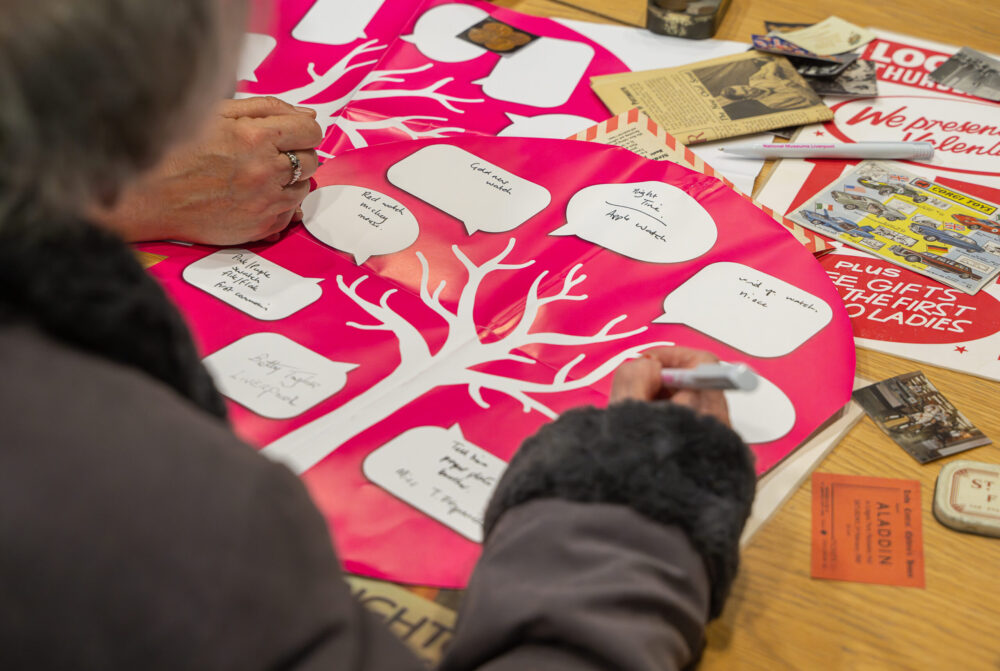
Connecting Memories sessions are all about encouraging open conversations around dementia and improving brain health across the Northwest. Museum of Liverpool is home to Liverpool memories, stories and everyday experiences and, through exploring its objects and collections, people with or without a dementia diagnosis can connect with their own experiences and journeys. Connecting Memories sessions are also open to family members so it’s an opportunity to meet others like you, share thoughts over a cup of coffee, and explore the museum together.
Sessions are led by the participants in the room and shaped by how they wish to express themselves. House of Memories understand the value of giving people living with dementia the space to lead, drawing on their own passions, experiences and strengths. Connecting Memories sessions celebrate individual strengths and create opportunities for participants to learn from, support and inspire one another through shared activity. The focus is on connection, confidence and creating a supportive space where people can take part in a way that feels meaningful to them.
At House of Memories the aim is simple: to break down barriers that prevent people within the ageing and dementia community from accessing museums and instead use these amazing cultural spaces to promote wellbeing and social inclusion.



 Subscribe
 Follow Us
 Follow Us
 Follow Us
 Follow Us
 Follow Us